

Key Points
Summary
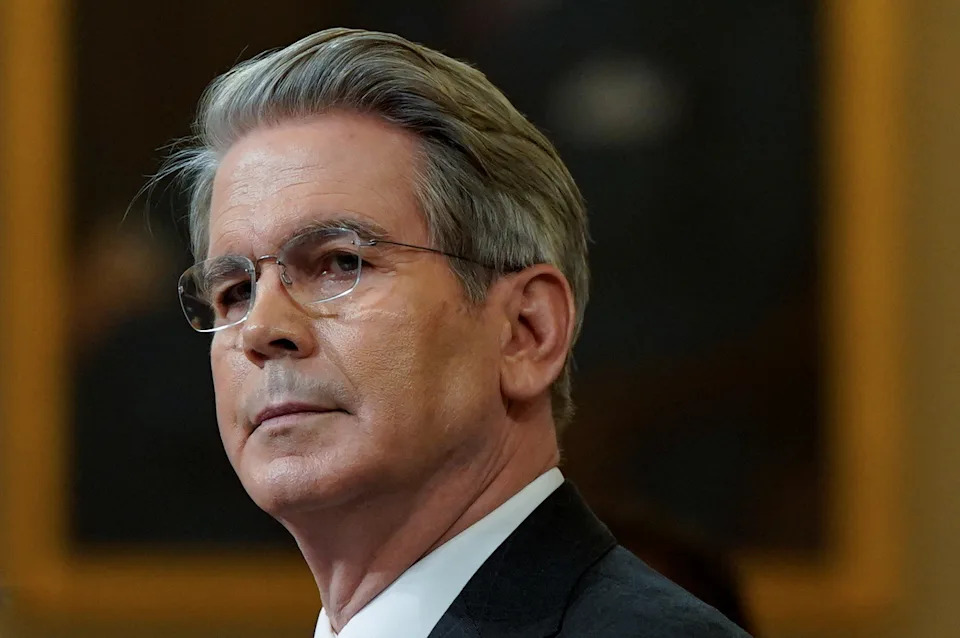
Treasury Secretary Scott Bessent has taken a critical stance on the Federal Reserve, targeting its non-monetary operations and regulatory framework while stopping short of demanding Fed Chair Jerome Powell’s immediate resignation. Despite President Trump’s calls for Powell to step down, Bessent stated on Fox Business that Powell could serve until his term ends in May. However, Bessent intensified pressure on the Fed by questioning its $2.5 billion headquarters renovation and urging a review of its broader operations, arguing they jeopardize its monetary policy independence. At a Fed conference, he pushed for significant reforms in bank regulations, criticizing outdated capital requirements and a proposed dual capital structure. Bessent, a potential successor to Powell, supports the Fed’s autonomy in monetary policy but aligns with White House efforts to control other Fed functions, like bank supervision. Additionally, he aims to overhaul financial regulations to facilitate lending and stimulate economic growth, with the Treasury playing a central role in driving consensus and action. Recent proposals to rollback bank capital rules, such as the enhanced supplementary leverage ratio, signal further regulatory changes ahead, though their impact on banks may be limited. Bessent’s actions reflect a broader push for innovation and financial stability under the current administration.

Key Points
Summary
President Donald Trump’s recently enacted tax and spending law, dubbed the “One Big Beautiful Bill,” is projected to add $3.4 trillion to US deficits over the next decade, according to the Congressional Budget Office (CBO). Signed on July 4, the legislation extends Trump’s 2017 income-tax cuts, offers business breaks, lifts state and local tax deduction caps, and temporarily eliminates taxes on tips and overtime. However, it also slashes spending by $1.1 trillion while cutting revenues by $4.5 trillion through 2034. The law includes Medicaid cuts and new work requirements, leading to an estimated 10 million Americans losing health insurance by 2034. Economists warn that the expanding budget shortfall, already significant, could increase borrowing costs and inflation, exacerbated by tariff-driven price rises impacting low-income families. The Trump administration claims tariff revenues will offset deficits, though concerns persist. An alternative scoring requested by Senate Republicans shows a $366 billion deficit reduction over a decade, achieved through accounting tactics that minimize the perceived cost of tax cut extensions. This law, reflecting much of Trump’s economic agenda, has sparked debate over its long-term fiscal and social consequences.
Key Points
Summary
The Los Angeles Times, a 143-year-old publication, is set to go public within the next year, as announced by its billionaire owner, Patrick Soon-Shiong, during an interview on "The Daily Show" with Jon Stewart. Soon-Shiong aims to democratize ownership of the newspaper by adopting a model similar to the public ownership structure of the NFL's Green Bay Packers, with a partner organization working on the framework. This decision comes after a tumultuous period for the LA Times, marked by significant financial losses of $30-40 million annually and substantial layoffs in January, where over 20% of the newsroom staff were cut. Leadership changes have also rocked the paper, with key exits including Executive Editor Kevin Merida and Managing Editor Sara Yasin. Additionally, controversy arose when the editorial editor resigned after Soon-Shiong reportedly blocked an endorsement of then-Vice President Kamala Harris, sparking subscriber backlash. Soon-Shiong, who acquired the LA Times in 2018 for $500 million from Tronc, is steering the newspaper toward a new era of public involvement amidst ongoing challenges. The LA Times did not immediately respond to Reuters for further details on the public offering plans.

Key Points
Summary
The European Union is gearing up for a potential trade war with the US as President Trump pushes for higher tariffs, threatening a no-deal outcome by the August 1 deadline. The EU is drafting retaliatory measures, including restrictions on US digital services and public procurement access, while member states like Germany signal readiness for conflict if negotiations fail. Trump’s proposed tariffs range from 15-20% on EU goods to 50% on Brazilian imports, disrupting months of talks and affecting global trade partners like Canada and Mexico. US industries, such as steelmaker Cleveland-Cliffs, welcome the protectionist policies, but retailers struggle with uncertainty over import costs for holiday goods. Treasury Secretary Scott Bessent prioritizes high-quality deals over rushed agreements, leaving room for deadline flexibility, while countries like Brazil brace for economic redirection if tariffs hit. The escalating tensions highlight the delicate balance of trade negotiations and the broader economic implications worldwide.
Key Points
Summary
A growing number of non-banking companies, including automakers like General Motors and Stellantis, and cryptocurrency firms like Circle and Ripple, are applying for US banking charters, sparking tension with traditional banks. These new entrants seek charters such as industrial loan company (ILC) status or national trust banking charters, which could allow them to offer banking services with less stringent regulations. Banks and lobbying groups like the Bank Policy Institute and ICBA oppose this, arguing it creates a regulatory double standard and poses risks, citing past failures like GMAC’s 2008 collapse. Meanwhile, the Trump administration is reviewing financial regulations, potentially easing rules for banks and new entrants alike, while the FDIC is adjusting its approach to ILC approvals. Crypto and fintech firms are also pursuing charters to gain credibility and comply with new laws like the GENIUS Act, as even major banks like JPMorgan explore stablecoin innovations. This clash over banking access highlights broader concerns about competition, consumer safety, and the evolving financial landscape.
Key Points
Summary
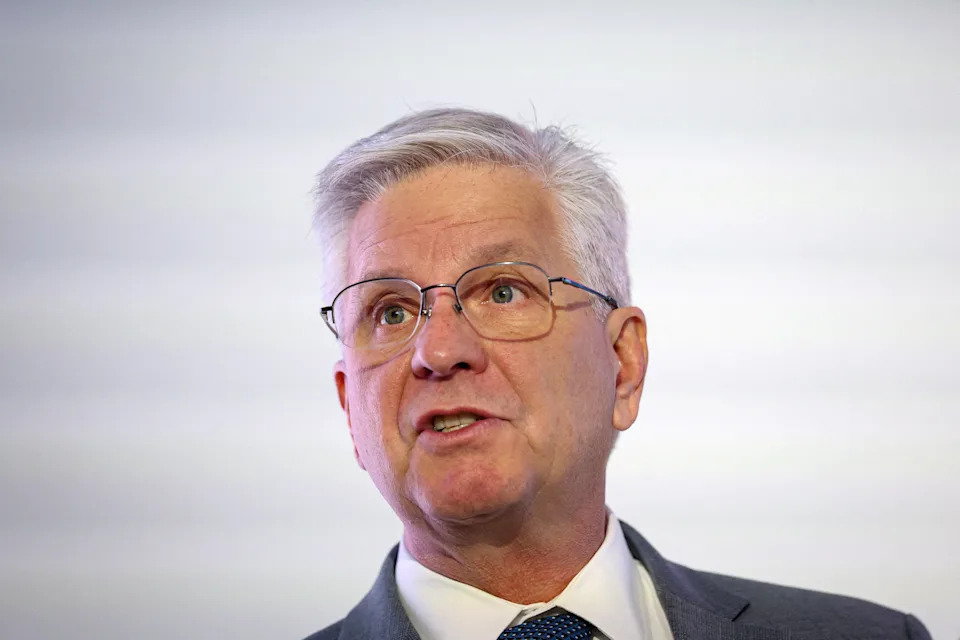
The S&P 500 and Nasdaq Composite are close to record highs, showing resilience amid escalating tariffs and monetary policy debates, with the Nasdaq gaining over 1.6% and the S&P 500 up 0.7% last week. A significant earnings season is underway, with 112 S&P 500 companies, including Alphabet, Tesla, and Chipotle, set to report, and Big Tech expected to lead with a 14.1% earnings growth compared to the rest of the index at 3.4%. Federal Reserve governor Christopher Waller has called for an interest rate cut in July, citing inflation near target, though market expectations for a cut have diminished to just 5% due to persistent inflation and robust economic indicators like retail sales. Meanwhile, a quiet week of economic data will focus on manufacturing and services sectors as the Fed enters a blackout period before its July 29-30 meeting. Despite strong earnings from companies like Netflix and big banks, stock reactions have been muted due to high valuations and elevated expectations, raising concerns among strategists about potential pullbacks if results disappoint. The market anticipates a broadening of earnings growth beyond Big Tech in coming quarters, which could support a more sustained rally if cyclical sectors show improvement.
Key Points
Summary
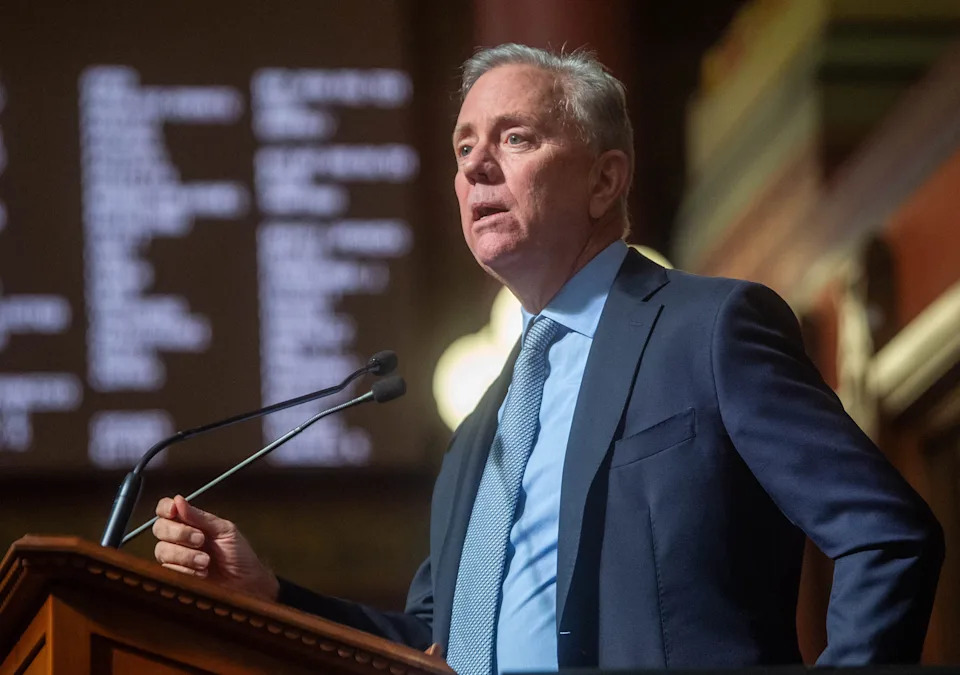
Connecticut has enacted a groundbreaking law signed by Gov. Ned Lamont on July 8 to curb the soaring costs of weight-loss drugs like GLP-1s (e.g., Novo Nordisk’s Ozempic and Eli Lilly’s Mounjaro), which cost the state $140 million in 2024 for its HUSKY Health program. The legislation directs the Commissioner of Social Services to petition HHS Secretary Robert F. Kennedy Jr. to invoke federal patent rights under 28 US 1498, allowing generic production of these drugs with royalties paid to original manufacturers at reduced rates. This approach, likened to eminent domain, could involve a consortium of states to contract manufacturers, with other states already showing interest. While some states have limited or cut coverage, Connecticut expanded it in 2023 and now seeks a sustainable solution. However, Gov. Lamont and legal experts caution about potential overreach of federal law, and the response from HHS remains uncertain. Past uses of this patent law, such as for Hepatitis C drugs in Louisiana and anthrax medication post-9/11, show mixed results, often leading to negotiated deals. Amid easing drug prices, a growing compounding market, and upcoming generic competition in Canada, Connecticut’s strategy arrives at a critical juncture, though political will and legal challenges could impact its success. Experts and advocates are keenly observing whether this could set a precedent for addressing high drug costs nationwide.

Key Points
Summary
Big food companies are grappling with an uncertain future as consumer preferences shift, growth stagnates, and regulatory pressures mount. Industry giants like Kraft Heinz, PepsiCo, and Coca-Cola are reevaluating their US portfolios amid declining performance, with PepsiCo reporting a 2% volume drop in its North America beverage business. Strategic moves include acquisitions of smaller, high-growth brands like Poppi and Siete Foods by PepsiCo, and Hershey’s purchase of Lesser Evil. Meanwhile, breakups are on the table, with Kraft Heinz potentially splitting its condiments and grocery segments, and Kellogg’s recent division into WK Kellogg and Kellanova resulting in acquisitions by Ferrero and Mars Candy, respectively. Analysts note a reactive approach as core businesses falter, prompting companies to buy growth or restructure. Investor pressure for better returns is also driving change, with Kellogg’s breakup yielding significant gains. This period of flux, described as unusual for a typically stable sector, reflects a broader industry trend of adaptation and transformation.
Key Points
Summary
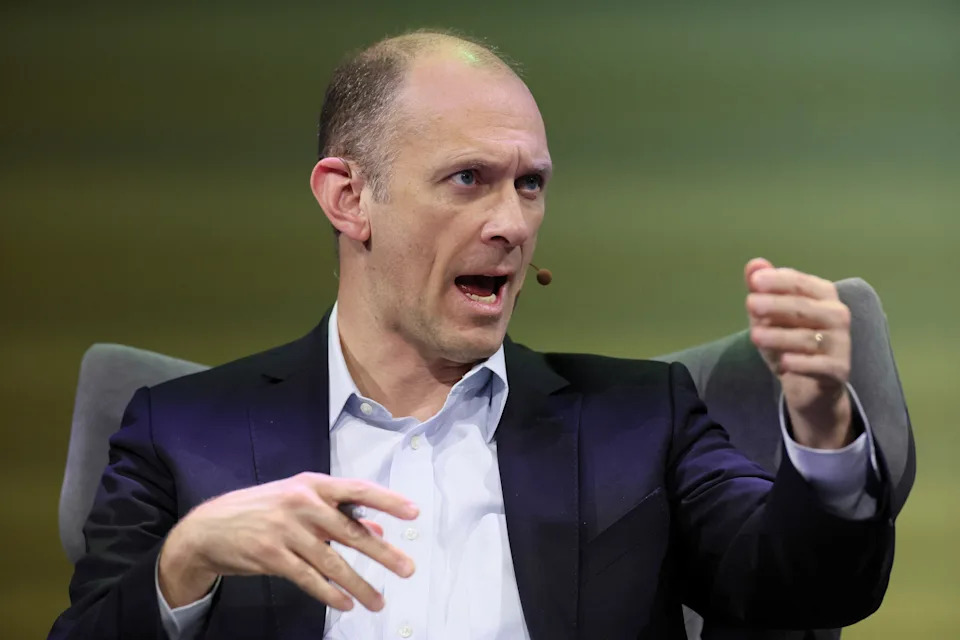
Chicago Federal Reserve President Austan Goolsbee recently defended central bank independence and Federal Reserve Chair Jerome Powell amid political pressure from President Trump and his allies. In a Yahoo Finance interview, Goolsbee stressed that independence from political interference is vital for economic stability, citing higher inflation and worse growth in countries lacking it. He praised Powell as honorable and highly capable, despite Trump’s frustration with Powell’s cautious approach to interest rates and concerns over potential inflation from tariffs. Goolsbee mirrored Powell’s “wait and see” stance on rate cuts, noting that while tariffs are raising goods prices, the impact hasn’t extended to services. He highlighted the uncertainty caused by staggered tariff implementations and geopolitical factors, suggesting that rate cuts depend on clearer inflation data. Meanwhile, internal Fed divisions persist, with Governor Christopher Waller advocating for a rate cut in July, contrasting with market expectations of a hold until September. Goolsbee refrained from predicting specific rate cut timelines, emphasizing the need to monitor inflation trends closely.
Key Points
Summary
Chevron (CVX) is poised to complete a $53 billion acquisition of Hess (HES) after nearly two years of contention, securing a 30% stake in Guyana’s Stabroek offshore block, estimated to contain over 11 billion barrels of oil. An arbitration panel in Paris ruled in Chevron’s favor, sidelining ExxonMobil (XOM), which holds a 45% stake and contested the deal citing preemptive rights. Despite initial stock gains, Chevron’s shares fell 1.5% post-ruling. The merger, one of the largest in the energy sector recently, is expected to bolster Chevron’s growth, free cash flow, and global diversification, especially as it lags behind Exxon in earnings and stock performance. Chevron’s leadership views the deal as a strategic enhancement for long-term shareholder value. Meanwhile, Exxon, partnered with Hess since 2014, expressed disagreement but respected the arbitration process. The deal’s significance extends beyond Chevron, contributing to Guyana’s economic boom and potentially triggering further industry mergers, as noted by experts. This follows Exxon’s $60 billion acquisition of Pioneer Natural Resources, highlighting a trend of major consolidation in the oil and gas sector amidst evolving energy demands.
Key Points
Summary
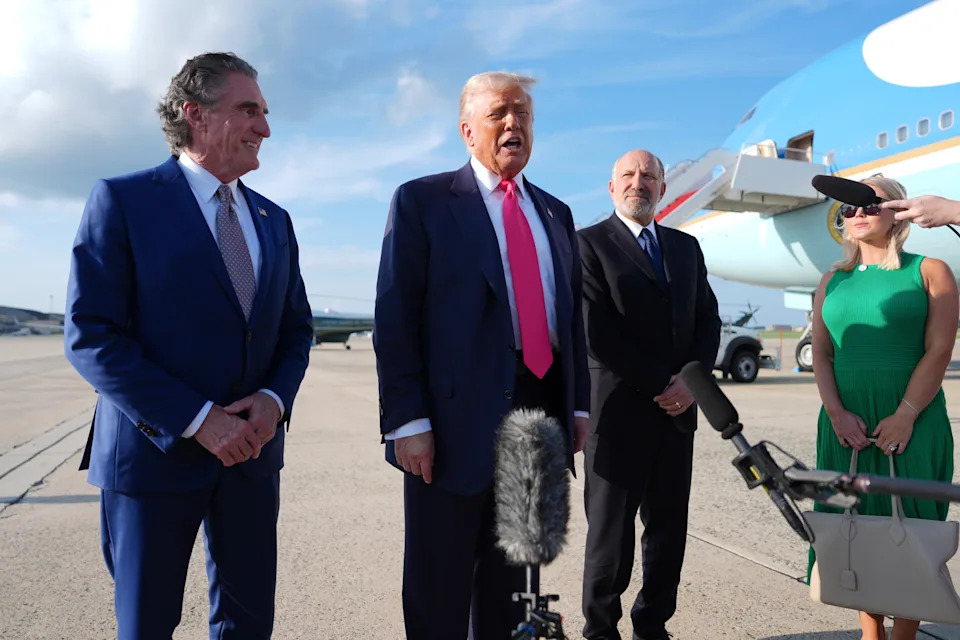
In his second term, President Donald Trump has unprecedentedly used his office for personal financial gain, with Trump family businesses earning hundreds of millions from cryptocurrencies, overseas deals, and merchandise like bibles and shoes. Ventures such as a crypto coin worth $320 million and a $2 billion foreign investment highlight the scale of these profits, often from entities with federal interests, raising ethical concerns. Critics, including academics and Democrats, decry this as corruption, contrasting it with past presidents’ use of blind trusts to avoid conflicts. Despite his earlier "drain the swamp" promise, Trump faces little oversight due to a supportive Congress, loyal administration, and Supreme Court immunity rulings. His direct promotion of family businesses, including crypto initiatives he once called a scam, underscores a policy-profit overlap, with plans to deregulate the industry further. While the White House insists Trump’s actions aim to position the U.S. as a crypto leader, the intertwining of personal and presidential interests remains a central controversy of his tenure.

Key Points
Summary
Meta Platforms Inc. is intensifying its pursuit of AI dominance by hiring key researchers Mark Lee and Tom Gunter from Apple Inc. for its Superintelligence Labs team, shortly after recruiting their former boss, Ruoming Pang, with a compensation package exceeding $200 million. This reflects a broader tech industry race for AI talent, with Meta, under CEO Mark Zuckerberg, prioritizing artificial intelligence through massive investments in personnel and infrastructure to rival companies like OpenAI and Google. Meanwhile, Apple’s AI division, the Apple Foundation Models team, faces uncertainty as it considers integrating external models such as ChatGPT or Claude for features like Siri, while struggling to retain staff against Meta’s lucrative offers. Despite Apple’s efforts to offer raises, the disparity in compensation—Meta’s packages often multiples higher—continues to drive talent away. Zuckerberg’s vision includes investing hundreds of billions in computing power to achieve superintelligence, with top hires working closely with him at Meta’s headquarters, underscoring his commitment to building an elite AI team.
Key Points
Summary
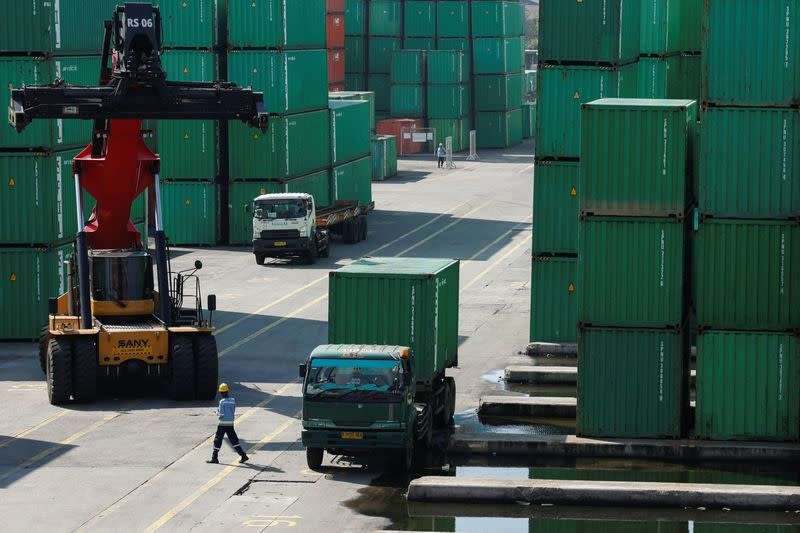
China's Commerce Minister Wang Wentao expressed a strong desire to stabilize trade relations with the United States, emphasizing the economic interdependence between the two nations despite recent tensions. Speaking to reporters, Wang urged the U.S. to act as a responsible superpower and highlighted the importance of dialogue, citing productive talks in Geneva and London as evidence that a tariff war is avoidable. With an August 12 deadline looming for a durable tariff agreement, failure to reach a deal could disrupt global supply chains with duties exceeding 100%. Wang also met with Nvidia CEO Jensen Huang, who confirmed the resumption of H20 AI chip sales to China, a move tied to negotiations on rare earths, which saw a 32% export increase in June. Despite high U.S. tariffs on China at 53.6%, Wang stressed that forced decoupling is unfeasible due to the irreplaceable nature of traded goods and services. China remains committed to avoiding a trade war but is prepared to defend its interests if necessary, seeking a path toward healthy and sustainable economic ties with the U.S. through continued communication and cooperation.
Key Points
Summary
Federal Reserve governor Christopher Waller has made a compelling case for a rate cut at the July 29-30 meeting, proposing a target rate of 3%, well below the current 4.25%-4.5%. Speaking in New York, Waller emphasized that inflation from tariffs is temporary and urged the Fed to prioritize employment, noting slowing private job growth and rising labor market risks. His position, supported by colleague Michelle Bowman and aligning with President Trump’s calls for lower rates, contrasts with other Fed officials like Adriana Kugler and John Williams, who caution against cuts due to potential inflation from tariffs, predicting increases through 2026. Fed Chair Jerome Powell also favors waiting for clearer inflation data, highlighting a deepening divide within the central bank. This debate underscores differing views on balancing inflation control with employment goals amid external pressures and tariff impacts.

Key Points
Summary
Uber has teamed up with electric vehicle manufacturer Lucid and autonomous tech firm Nuro to introduce a premium global robotaxi program exclusively for the Uber platform. Announced recently, the initiative will integrate Nuro’s Level 4 autonomous software into Lucid’s Gravity SUV, with plans to deploy over 20,000 vehicles in the next six years, starting in a major US city in 2025. Uber will invest $300 million in Lucid and a comparable sum in Nuro, while the vehicles will be managed by Uber or third-party fleet partners. Lucid’s stock jumped nearly 30% on the news, bolstered by the company’s strong Q2 deliveries and ambitious 2025 production goals for its Air sedans and Gravity SUVs. This partnership signifies Uber’s re-entry into the robotaxi market after a hiatus following a 2018 accident, positioning it against competitors like Waymo and Tesla, who are also advancing in autonomous driving. The collaboration is further contextualized by Saudi Arabia’s Public Investment Fund’s significant stakes in both Uber and Lucid, potentially influencing the strategic alliance. A prototype is already under testing at Nuro’s Las Vegas facility, marking a significant step toward realizing the vision of accessible, safe autonomous transport.
Key Points
Summary
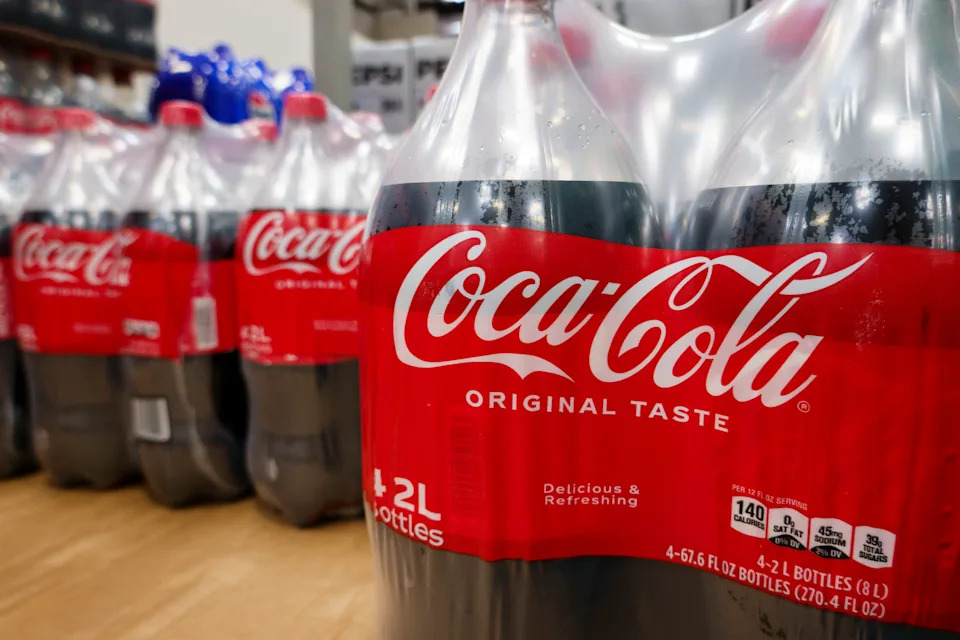
Coca-Cola (KO) is poised to switch from high fructose corn syrup (HFCS) to real cane sugar in its U.S. products, following President Trump’s social media announcement and subsequent confirmation from the company. This move aligns with a broader trend among food and beverage companies like Kraft Heinz and General Mills making ingredient changes under the Trump administration. The shift has impacted markets, with sugar futures (Sugar No. 11) rising over 1.3%, while HFCS suppliers Archer-Daniels-Midland (ADM) and Ingredion (INGR) saw significant stock declines. Meanwhile, PepsiCo (PEP) reported strong earnings, with its stock up 5%, and outlined plans to remove artificial additives from beverages. The announcement coincides with ongoing tariff negotiations, including a 50% tariff on Brazilian goods, which could affect sugar supply chains given Brazil’s status as the world’s top sugar cane producer. Coca-Cola’s stock remained relatively stable, with quarterly earnings expected on July 22. This ingredient change reflects both consumer health trends and political influences, potentially reshaping the competitive landscape for beverage giants and their suppliers.


