


Key Points
Summary
Retail sales in June showed a robust rebound, rising 0.6% month-over-month, exceeding economists’ predictions of a 0.1% increase and recovering from a 0.9% drop in May, according to revised Census Bureau data. This growth, particularly a 0.5% rise in the control group impacting GDP and a 0.6% increase in sales excluding auto and gas, suggests that President Trump’s tariffs have not yet significantly altered consumer spending patterns. Economists like Thomas Ryan from Capital Economics note that these figures dispel fears of faltering consumer spending due to tariffs, while Nationwide’s Ben Ayers highlights that delayed tariff price impacts and steady income growth continue to drive spending despite household concerns. Key sectors like miscellaneous store retailers and motor vehicle sales led the gains. Meanwhile, jobless claims fell to a three-month low of 221,000, indicating labor market resilience. However, tariff uncertainty looms over the economic outlook for the second half of the year, with expectations for weaker activity despite a projected solid GDP rebound in Q2. Investor sentiment on Federal Reserve rate cuts has also cooled, with the likelihood of a September cut dropping to 54% from 70%, amid signs of persistent inflation. This retail sales report offers critical insight as markets assess the broader impact of trade policies on economic behavior.

Key Points
Summary
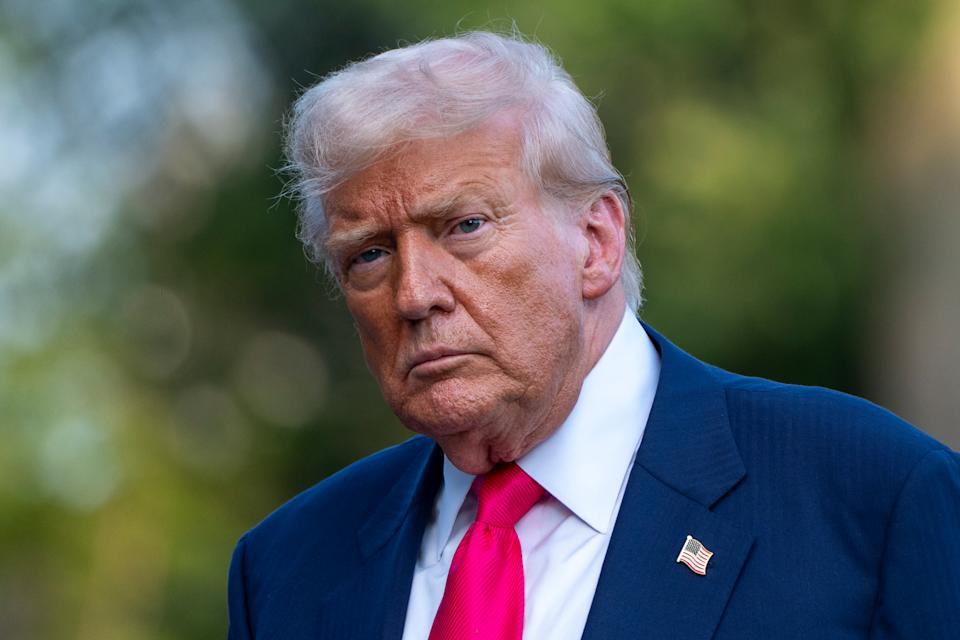
Federal Reserve Chair Jerome Powell is receiving unexpected support from some GOP senators amid President Donald Trump’s threats to fire him. Republicans like Thom Tillis and Mike Rounds caution that dismissing Powell would jeopardize the Fed’s independence, potentially destabilizing the U.S. economy and eroding market confidence. Trump’s indecision on the matter has sparked debate, with some far-right House members urging action, while others, including House Speaker Mike Johnson, question the legal authority to remove Powell. Established over a century ago, the Fed is insulated from political interference, with dismissal requiring a justified “cause,” a threshold some argue is unmet by criticisms like a $2.5 billion renovation project. While certain Republicans, like Ohio Sen. Bernie Moreno, criticize Powell’s leadership and support his removal, others warn of the economic fallout for ordinary Americans and the risk of lengthy legal battles. As Powell’s term nears its end next year, Trump may soon have the chance to appoint a new chair, but the current controversy underscores the delicate balance between political influence and central bank autonomy.
Key Points
Summary
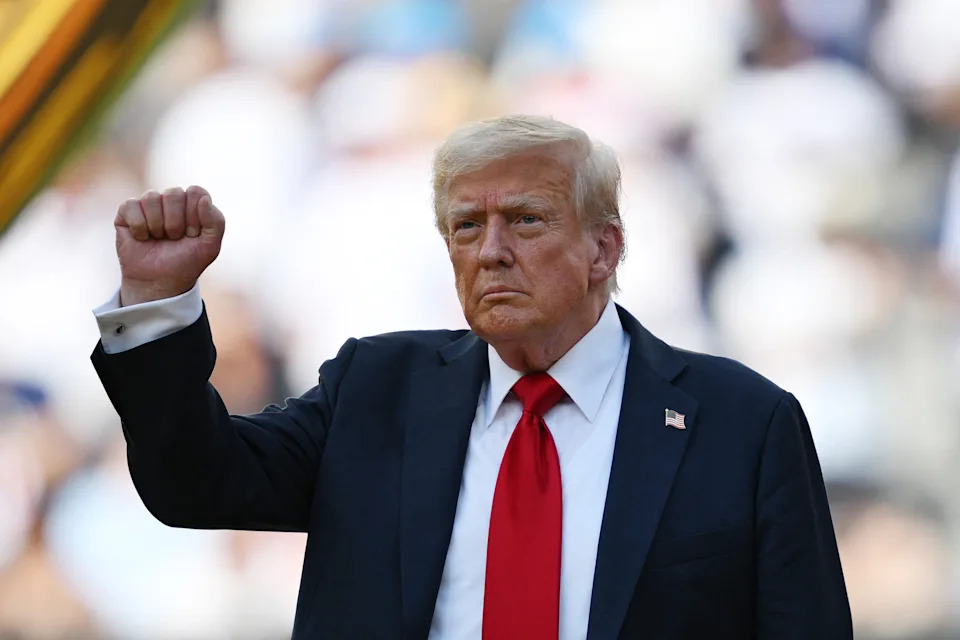
A Bloomberg article highlights escalating trade tensions between the EU and the US as Donald Trump threatens 30% tariffs on EU exports by August 1, alongside existing duties on cars, steel, and aluminum. In response, a French-led coalition of over half a dozen EU member states advocates for deploying the anti-coercion instrument (ACI), a powerful trade tool that could impose retaliatory measures like taxes on US tech giants or restrictions on investments and market access. While negotiations continue, with EU trade chief Maros Sefcovic traveling to Washington, the European Commission deems ACI use premature, favoring dialogue and proportional countermeasures. French Minister Benjamin Haddad stresses the need for strength and unity in negotiations, warning of a potential transatlantic trade war if the ACI is activated. Despite Trump's escalating rhetoric, including threats on pharmaceuticals, EU officials remain focused on reaching a deal, previously hoping for a framework with a reduced 10% levy on most exports. The ACI, designed as a deterrent against coercive trade actions, reflects the EU's bolstered trade defenses post previous US tariffs and actions like China’s restrictions on Lithuania.
Key Points
Summary
The article explores the conflicting interpretations of the stock market's muted response to President Trump's aggressive tariff threats. The White House sees this resilience as evidence of market support for rebalancing global trade, potentially emboldening Trump to stick to his Aug. 1 deadline for new tariffs. Conversely, many market analysts argue that traders remain opposed to tariffs but are skeptical of Trump’s threats materializing, a sentiment dubbed the "Trump always chickens out" (TACO) trade. Despite record-high stock prices, warnings from figures like JPMorgan Chase CEO Jamie Dimon highlight potential underestimation of economic risks, including inflation and growth slowdowns. Recent data showing a 2.7% annual CPI increase in June, alongside upcoming earnings reports, will provide further insight into tariffs’ impact. Trade developments, such as a deal with Indonesia reducing tariffs from 32% to 19%, add to the uncertainty, while Trump’s indifference to outcomes with regions like the EU raises the specter of higher tariffs. Critics argue the administration dismisses economic expertise, while Trump claims tariffs are fueling US economic strength, citing record stock highs and billions in tariff revenue. The coming weeks will be critical in determining whether markets are truly prepared for potential tariff-driven economic headwinds.
Key Points
Summary
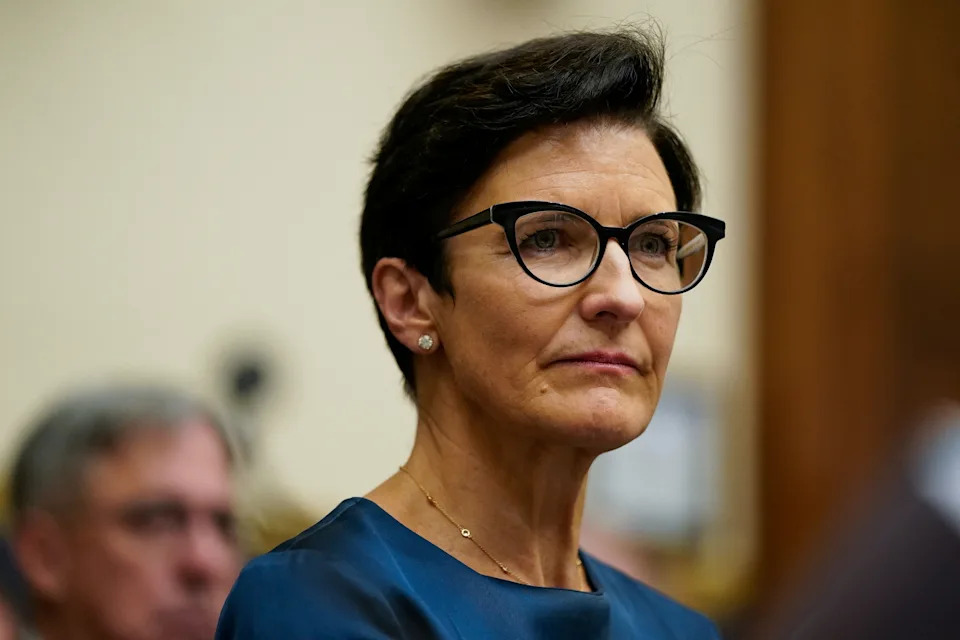
Major Wall Street banks, including JPMorgan Chase and Citigroup, are pivoting toward digital assets as CEOs Jamie Dimon and Jane Fraser announced plans to issue stablecoins, reflecting a broader industry shift. This comes amid ongoing legislative debates in Congress, where efforts to pass comprehensive crypto regulation, including a federal framework for stablecoins, hit obstacles during "Crypto Week" due to GOP opposition to separate bill votes. Despite Dimon's historical skepticism, JPMorgan is developing a deposit token, while Bank of America and others explore collaborative stablecoin networks. The proposed legislation, already passed by the Senate, imposes strict oversight by federal and state regulators, mandates reserves in cash or Treasurys, and requires transparency. Stablecoins are touted for their stability and potential in cross-border payments, though concerns about risks like investor runs remain. Fraser noted that most stablecoin transactions currently settle crypto trades, with minimal use in payments. As banks prepare for potential federal approval, stablecoins could challenge traditional payment systems like Visa and Mastercard, reshaping financial landscapes if legislation advances.

Key Points
Summary
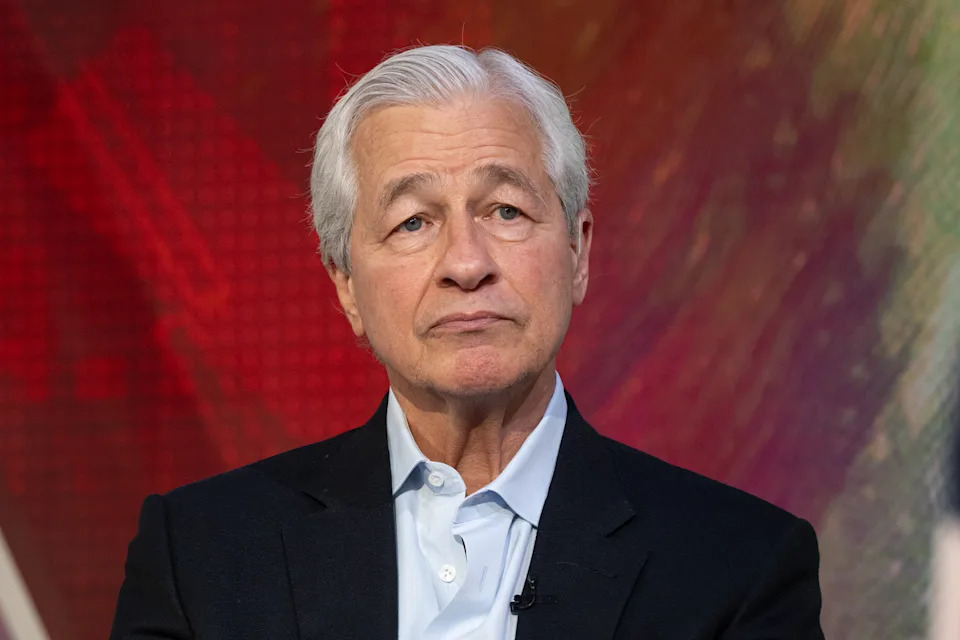
Inflation rose in June, with the Consumer Price Index (CPI) increasing 2.7% annually, up from 2.4% in May, driven by rebounding gas prices, according to the Bureau of Labor Statistics. Core CPI, excluding volatile food and energy, climbed 2.9% year-over-year. Monthly price increases matched or slightly exceeded expectations, with apparel, footwear, and furniture showing gains, hinting at the early effects of President Trump’s newly imposed tariffs ranging from 15% to 50% on imports from over 20 countries, including Canada, Mexico, and the EU. These trade tensions have sparked concerns about persistent inflation, though experts like Seema Shah and Greg Daco suggest tariff impacts may be temporary but could accelerate if staggered over time. Shelter costs, a key inflation driver, moderated slightly, while food prices remained sticky, except for a notable drop in egg prices. Amidst this, the Federal Reserve faces uncertainty, with markets anticipating steady rates in the near term and a reduced likelihood of a September cut. The interplay of tariffs and inflation continues to shape economic outlooks, with potential cost pass-throughs to consumers still unfolding.
Key Points
Summary
JPMorgan Chase exceeded expectations in its second-quarter earnings, reporting a net income of $15 billion, despite a 17% year-over-year decline influenced by a one-time Visa share gain in 2023. Adjusted profits, however, rose 9% to $14.2 billion. Investment banking revenue grew 8% to $2.5 billion, fueled by mergers and equity underwriting, while trading revenue also increased 8% to $8.9 billion. CEO Jamie Dimon highlighted a slow start that gained momentum with improving market sentiment and a resilient U.S. economy, though he warned of risks from tariffs, trade uncertainty, and geopolitical tensions. The bank raised its full-year net interest income forecast by $1 billion to $95.5 billion. Meanwhile, other major banks like Wells Fargo and Citigroup reported investment banking fee growth of 10% and 13%, respectively, signaling a sector-wide recovery from earlier market gloom caused by President Trump’s "Liberation Day" tariffs. Despite volatility, Wall Street trading desks benefited from increased investor activity. JPMorgan’s stock remained flat, while Wells Fargo’s dropped over 4% after lowering its 2025 guidance, and Citigroup saw a slight uptick. This earnings season reflects cautious optimism as dealmaking rebounds and regulatory constraints ease under the Trump administration.
Key Points
Summary
The upcoming June Consumer Price Index (CPI) report, set for release on Tuesday, is expected to reflect a faster pace of inflation, with a projected year-over-year rise of 2.6% compared to 2.4% in May, and a monthly increase of 0.3%. Core CPI, excluding volatile food and energy prices, is forecasted to edge up to 2.9% annually. This comes as President Trump’s proposed tariffs, ranging from 15% to 50% on imports from countries like Canada, Mexico, and the EU, raise concerns about their impact on consumer prices. Economists note a potential reversal in declining car and apparel prices, which could push core inflation higher. Amid renewed trade tensions, the Federal Reserve’s rate-cutting path remains uncertain, though markets expect rates to hold steady for now. Analysts from Wells Fargo, Bank of America, and Goldman Sachs suggest tariffs will likely contribute to a gradual rise in core goods inflation, driven by factors like rebounding used car prices and broader cost increases. However, they anticipate limited pass-through to consumers and expect inflation pressures to cool later in the year due to softening housing and labor market dynamics. The June CPI data is seen as a critical indicator of whether inflation is strengthening, though not yet at a level to alarm Fed officials.

Key Points
Summary
Nvidia announced plans to resume sales of its H20 AI chip to China, following U.S. export restrictions that previously halted sales due to national security concerns, costing the company $15 billion in revenue and a $5.5 billion inventory write-off. The company is seeking U.S. government licenses to restart deliveries and has developed a new, compliant AI chip, the RTX Pro GPU, for the Chinese market. CEO Jensen Huang, visiting Beijing, underscored China’s critical role as a massive and innovative market during a supply chain expo. Despite facing competition from Chinese firms like Huawei and ongoing geopolitical uncertainties, Nvidia remains committed to the region, which accounted for 13% of its $17 billion revenue last fiscal year. Huang’s visit coincides with easing U.S.-China tensions, including relaxed rare earth export controls by China and resumed U.S. chip design software services. However, U.S. senators have urged caution regarding engagements with Chinese military or intelligence-linked entities. Analysts note that while the H20 ban pause offers relief, Chinese companies are diversifying supply chains to safeguard against future disruptions.
Key Points
Summary
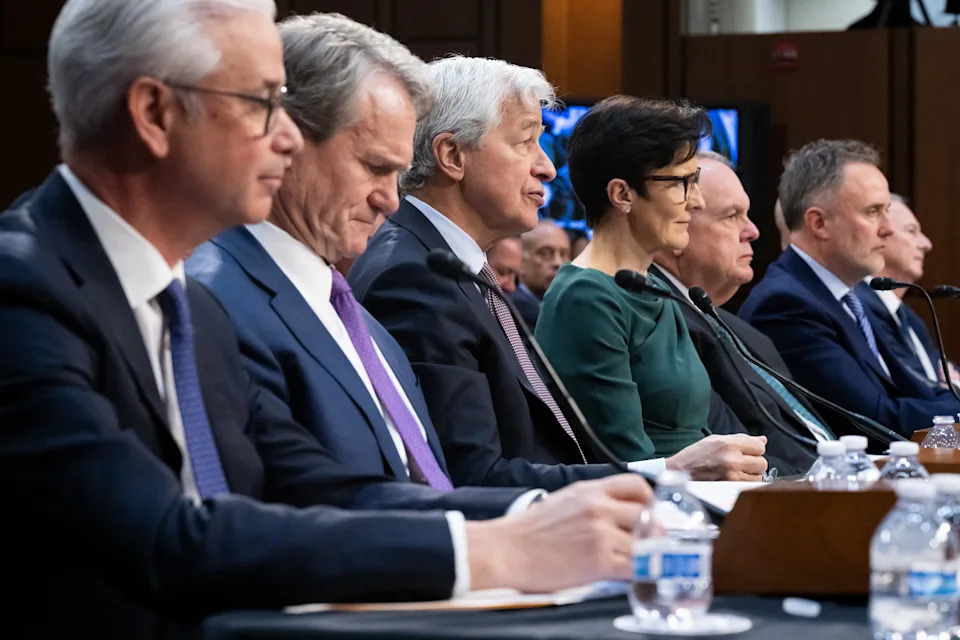
The atmosphere surrounding the nation's largest banks has transformed from gloom to measured optimism as they head into the latest earnings season, starting with reports from JPMorgan Chase, Wells Fargo, and Citigroup. Three months ago, the sector faced uncertainty due to a dealmaking freeze and market turmoil following President Trump's "Liberation Day" tariff announcement. However, recent developments, including successful IPOs, mergers, and relaxed capital rules from the Trump administration, have revitalized the industry. Market volatility has even benefited trading desks, while stock buybacks and dividends post-Federal Reserve stress tests have driven investor enthusiasm, with JPMorgan, Goldman Sachs, and Morgan Stanley hitting record highs on July 3. Analysts are optimistic, predicting that some banks may surpass investment banking guidance, reflecting a strong recovery in the quarter's latter half. Investors are eager to hear confirmation that the challenges of April are behind and that the positive momentum will continue.
Key Points
Summary
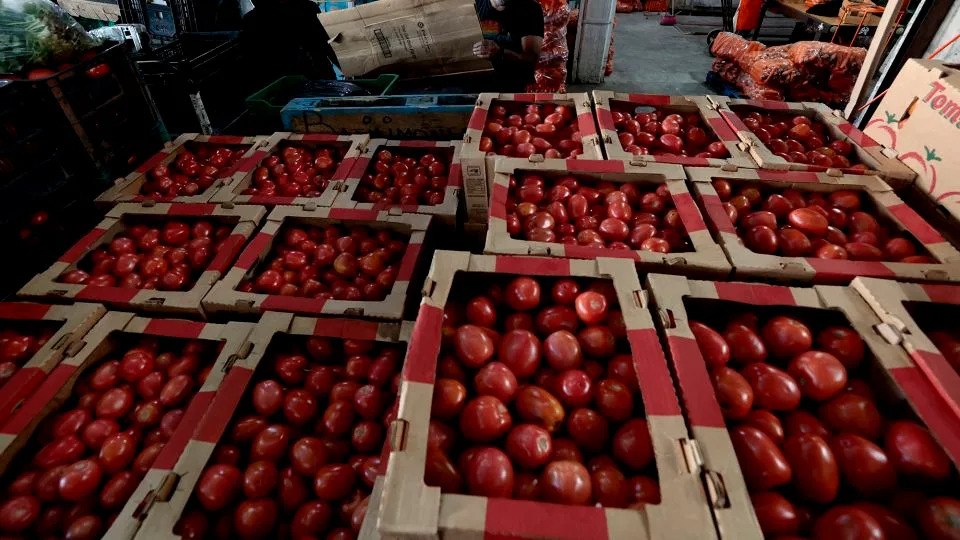
The impending 20.9% tariffs on Mexican tomato imports, set to replace a nearly three-decade-old US-Mexico trade agreement on July 14, are causing alarm among US businesses and consumers. Restaurant owner Teresa Razo fears bankruptcy for her Southern California eateries within three months due to rising costs, as tomatoes are essential for her dishes. Consumer prices, currently at $1.70 per pound, could jump by 10%, potentially curbing demand. The tariffs, part of President Trump’s erratic trade policies, aim to protect US growers from “dumping” by Mexican producers, though Mexican growers like Walberto Solorio argue the agreement has been mostly honored. US growers, represented by Robert Guenther, claim the tariffs are overdue to safeguard domestic markets. Businesses face varied impacts: some, like Heinz, use domestic tomatoes and avoid tariffs, while others, like Appollonia’s Pizzeria, may absorb costs or juggle suppliers. The uncertainty breeds “instability” and “fear” among small business owners like Razo, who are bracing for price hikes or sourcing alternatives amidst a chaotic trade landscape.

Key Points
Summary
President Trump is advancing his tariff agenda, announcing new duties on imports starting in August, ranging from 15% to 50% across various countries. This includes 35% on Canadian goods, 30% on Mexico and the EU, and 50% on Brazilian goods and copper imports critical for power grids and tech. Over 20 trade partners received tariff letters, with Vietnam securing a reduced 20% rate and India potentially facing under 20% under a framework deal. The EU delayed retaliatory tariffs on $24.5 billion of US exports to negotiate a solution, while German leaders warn of severe impacts on export industries. The tariffs are already causing economic fallout, with Michigan’s nearly century-old Howard Miller Co. closing due to rising costs, and creating uncertainty in tech and coffee markets, where companies like Nvidia and Apple face additional pressures. Global markets remain nervous, with potential price increases and supply chain disruptions looming, as leaders and analysts grapple with the broader implications of Trump’s trade policies on economies and consumer wallets.

Key Points
Summary
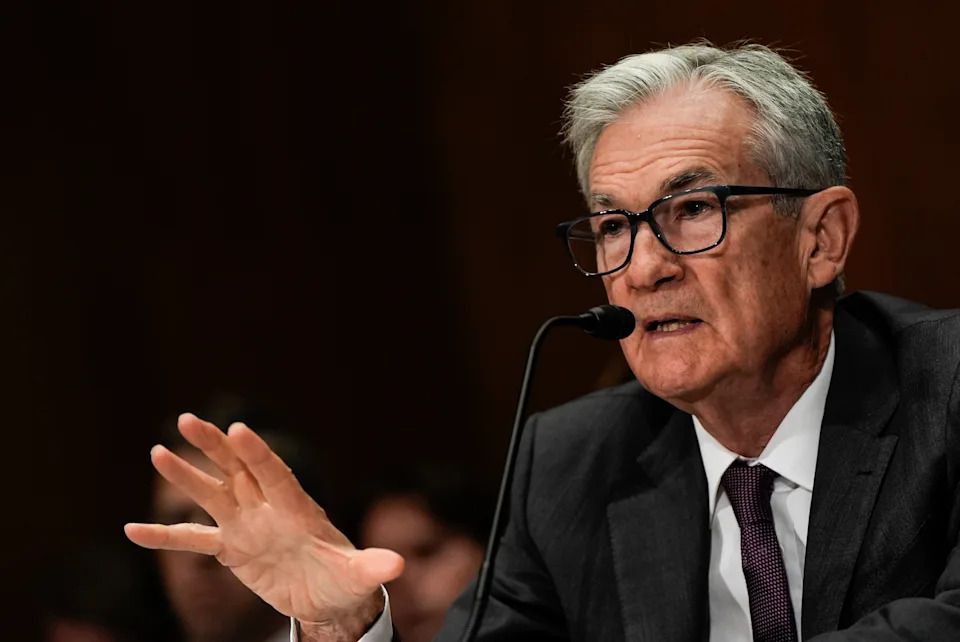
Stocks are hovering near record highs despite a flurry of trade announcements and tariff policies under President Trump, which have had a muted impact on markets recently compared to earlier volatility. Key economic data, including Tuesday's Consumer Price Index (CPI), will shape expectations for the Federal Reserve's next interest rate decision, though inflation trends and tariff uncertainties suggest the Fed will remain cautious, with only a 4.7% chance of a rate cut this month. Earnings season kicks off with major US banks, Netflix, ASML, and Taiwan Semiconductor reporting, offering insights into banking, tech, and the AI chip boom. Analysts expect a modest 5% earnings growth for the S&P 500 in Q2, the slowest since late 2023, but anticipate stronger growth in Q3 (7.3%) and beyond. Wall Street has revised S&P 500 year-end targets upward, with Goldman Sachs at 6,600 and Bank of America at 6,300, driven by robust corporate earnings, especially in tech and communication sectors. Despite tariff-related challenges, market resilience and corporate strength continue to bolster investor confidence.
Key Points
Summary
This article explores the ongoing debate on Wall Street regarding the Federal Reserve's next steps on interest rates amidst economic and political turbulence. Nvidia's recent trillion-dollar valuation milestone underscores market highs, while trade tensions and inflation risks fuel uncertainty. Some firms, like Goldman Sachs, predict a September rate cut due to softening labor markets and limited tariff impacts, forecasting three cuts by year-end. However, others warn that persistent inflation and tariff uncertainties might delay Fed action. President Trump's public demands for deep rate cuts add political pressure, criticizing the Fed's restrictive policies. Experts like Michael Kantrowitz argue for lower rates to support struggling sectors like housing, while others, including Jeff Schulze of ClearBridge Investments, suggest the Fed might hold off longer. The upcoming Consumer Price Index release will be a critical test for inflation trends. Market sentiment reflects this uncertainty, with a 60% chance of a September cut priced in, though the Fed itself remains divided, as revealed in recent meeting minutes. This policy limbo continues to influence market dynamics and investor expectations.

Key Points
Summary
President Donald Trump is intensifying his trade war by unilaterally imposing tariffs on key US trading partners, expressing impatience with prolonged negotiations. With a critical Aug. 1 deadline looming, Trump has announced a 30% tariff rate for Mexico and the EU, citing issues like fentanyl trafficking and trade deficits, while leaving room for potential adjustments based on responses. Other nations, including Japan, South Korea, Canada, and Brazil, face steep rates up to 50%, with Brazil's tariffs tied to unrelated political disputes. Despite frantic efforts by countries to negotiate exemptions or provisional agreements, Trump's maximalist approach—favoring unilateral action over dialogue—poses significant challenges. His administration has hinted at further blanket tariff increases and targeted levies on specific goods like copper and pharmaceuticals. While some deals, such as with the UK and Vietnam, have been reached, they come with caveats and unresolved issues. As the deadline nears, global markets and leaders brace for the economic fallout of Trump's aggressive tariff campaign, with uncertainty over whether he will follow through or if this is another negotiating tactic.

Key Points
Summary
U.S. breakfast cereal sales have been declining for over two decades, dropping 13% from 2.5 billion boxes in 2021 to 2.1 billion recently, despite a brief pandemic boost. Factors include the popularity of portable breakfasts like Nutri-Grain bars, health concerns over sugar and artificial dyes, and a perception of cereal as heavily processed. Gen Z is reshaping breakfast norms, often skipping it or using cereal as a snack, while favoring diverse options like yogurt and vegetables. The industry is adapting, with Kellogg splitting into Kellanova (snacks) and WK Kellogg (cereals), the latter now targeted for acquisition by Ferrero Group, and Mars Inc. planning to buy Kellanova. Experts suggest cereal brands innovate with unique flavors, health-focused options, and niche marketing to appeal to varied consumer tastes, as legacy companies like General Mills compete with startups by offering high-protein variants.


