

Key Points
Summary
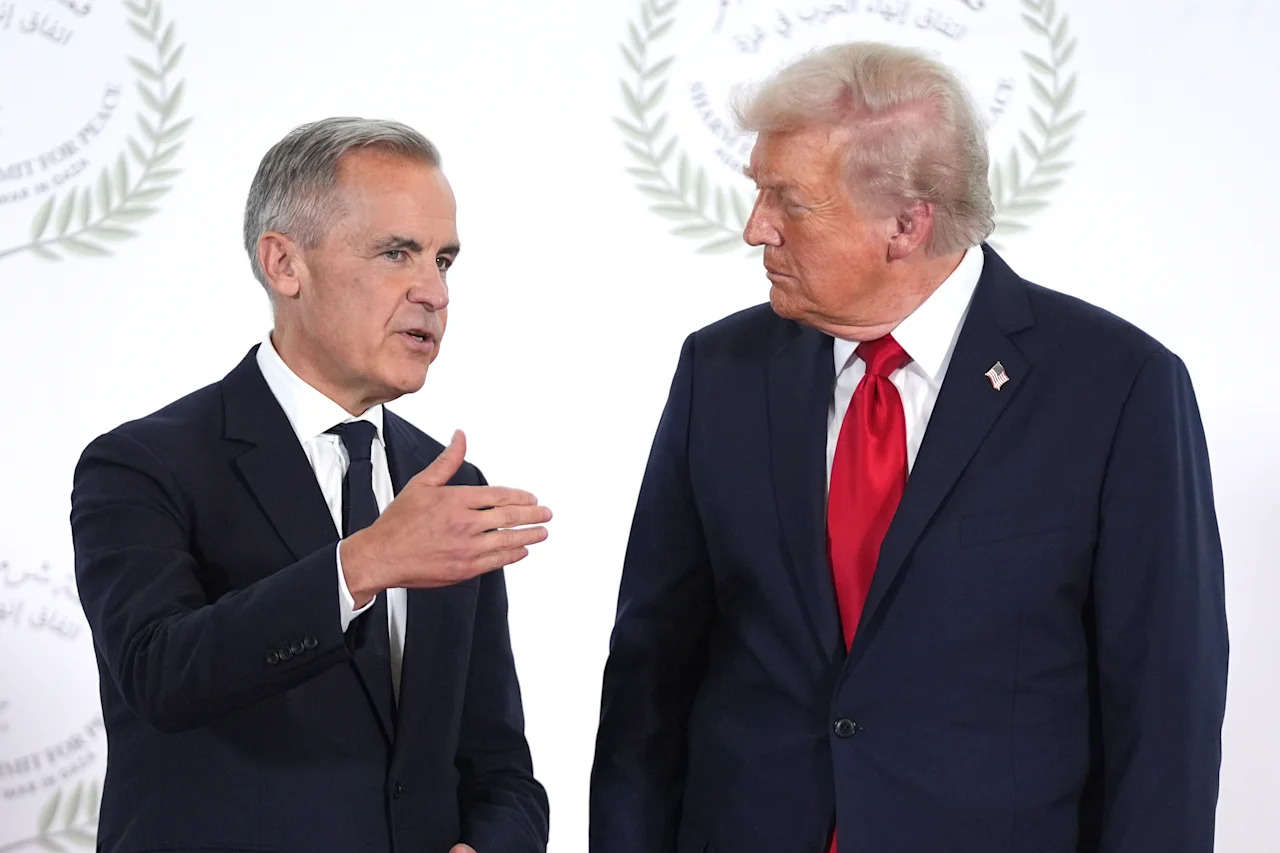
President Trump has abruptly terminated trade negotiations with Canada following a Canadian advertisement criticizing his tariff policies, which used excerpts from a 1987 speech by Ronald Reagan promoting free trade. Trump emphasized the importance of tariffs for US national security and economy, calling Canada's actions "egregious." Meanwhile, he is scheduled to meet Chinese leader Xi Jinping in South Korea to address escalating trade tensions, compounded by potential US software export curbs and China's rare earth mineral restrictions. Trump's broader tariff strategy impacts various sectors, with new duties on goods like timber and kitchen cabinets, potential trade deals with India, and eased tariffs for US automakers. However, Goldman Sachs warns that Americans will bear over half the cost of these tariffs through higher prices. A looming Supreme Court challenge could further disrupt Trump's tariff plans. Canada's economy, heavily reliant on US trade, is suffering, particularly in Ontario's steel and automotive industries, while uranium and oil markets also feel the strain. Additionally, Trump's focus on trade extends to drug pricing probes and securing critical minerals with Australia, targeting China. These developments highlight the complex and far-reaching consequences of Trump's aggressive trade policies on both domestic and international fronts.

Key Points
Summary
US stocks climbed on Friday morning as investors reacted to a pivotal inflation report, with the Dow Jones Industrial Average rising over 0.8%, the S&P 500 up 0.9%, and the Nasdaq Composite gaining 1.2%. September’s CPI data, delayed by a government shutdown, revealed a 3% annual price increase—below the expected 3.1%—and a 0.3% monthly rise, solidifying near-unanimous expectations for a Federal Reserve rate cut next week. Investor confidence in monetary easing remained strong, with 99% betting on a quarter-point cut. Meanwhile, corporate developments boosted specific stocks: Intel surged nearly 6% on strong Q3 revenue, Alphabet rose 2.5% after a major AI chip deal with Anthropic, and Ford jumped 9% following robust earnings and positive supplier news. Despite trade uncertainties introduced by President Trump’s cancellation of talks with Canada, stocks are poised for weekly gains amid ongoing Wall Street volatility. The inflation data, the first major economic release since the shutdown, provided a critical economic snapshot, while Treasury yields held steady, with the 10-year below 4%.
Key Points
Summary
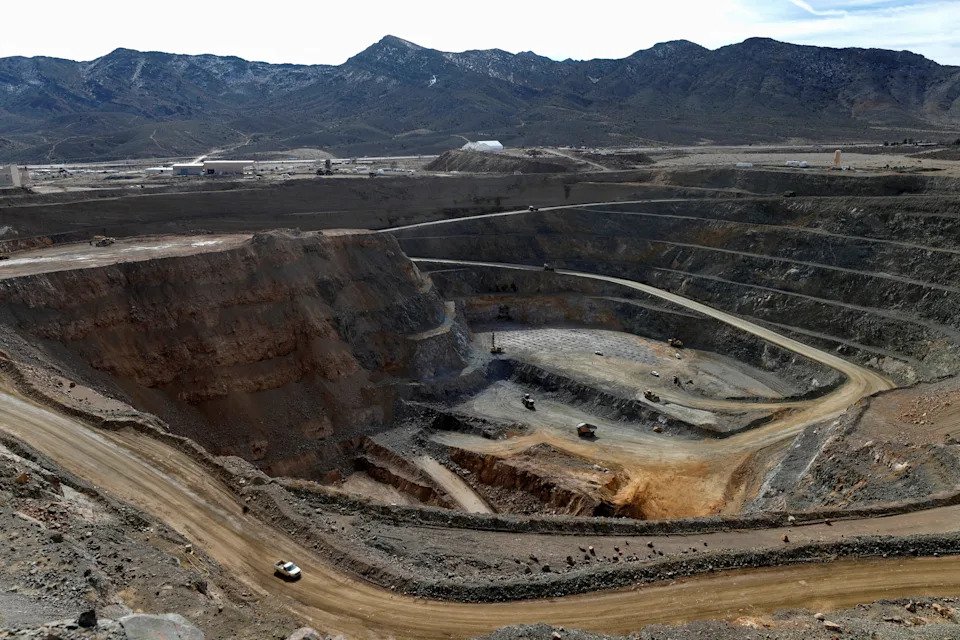
China's recent export restrictions on rare earth minerals, including a ban on defense applications, have raised concerns about potential supply chain disruptions for the US defense industry, which relies on these materials for critical weapons systems like F-35 jets and Tomahawk missiles. Despite China's dominance in the global rare earth market, major US defense contractors such as Lockheed Martin, RTX Corporation, and Northrop Grumman expressed confidence during recent earnings calls, citing proactive measures like stockpiling and supply chain diversification. Analysts suggest the issue may be less severe than perceived, with recycling from retired military tech offering an additional buffer. Meanwhile, the US government is taking steps to bolster domestic production through investments in companies like MP Materials and international partnerships, such as with Australia. However, experts warn that the US lags behind China in weapons development and faces ongoing supply chain vulnerabilities, exacerbated by Beijing's control over 70% of mining and 90% of processing capacity. The Department of Defense acknowledges significant national security risks, and while contractors remain optimistic, the broader capability gap with China continues to widen.
Key Points
Summary
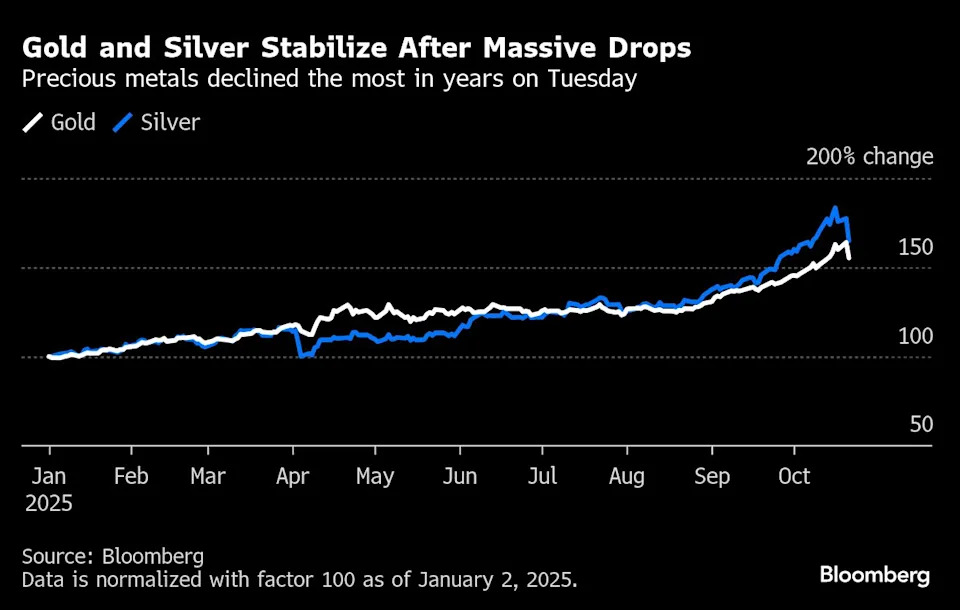
Gold prices experienced a significant decline, falling below $4,020 an ounce after a 6.3% drop on Tuesday, the worst in over 12 years, driven by concerns that the metal’s rapid rally had become overstretched. Technical selling has been a key factor, with prices in overbought territory since September, though experts like Standard Chartered’s Suki Cooper anticipate a recovery in 2025. The rally, which saw gold rise 55% this year, was fueled by the debasement trade, expectations of Federal Reserve rate cuts, geopolitical tensions, and central banks diversifying away from the dollar. Retail investors, initially on the sidelines, have recently surged into the market, spurred by social media and increased trading in gold ETFs and futures. Citigroup downgraded its bullish stance on gold, expecting consolidation around $4,000, while noting long-term demand from central banks may eventually return. Additional factors influencing the market include potential US-China trade talks and the absence of key CFTC data due to the US government shutdown, which could lead to speculative over-positioning. Despite the pullback, gold’s safe-haven appeal remains underpinned by global uncertainties and macroeconomic trends.

Key Points
Summary
JPMorgan Chase has unveiled its new $3 billion headquarters at 270 Park Avenue in Manhattan, a 60-story, all-electric skyscraper symbolizing the bank's dominance in US banking and its faith in New York City as the global financial hub. Designed by acclaimed architect Norman Foster, the tower features innovative amenities including a fitness center, medical services, a 19-restaurant food hall, and lighting synced to human circadian rhythms. Housing most of JPMorgan's 24,000 NYC employees, the building incorporates unique elements like high ceilings and a signature scent, with wellness input from Deepak Chopra. CEO Jamie Dimon, speaking at the October 21 ribbon-cutting, highlighted the structure as a lasting legacy, expressing pride in his immigrant roots. The project, which involved rerouting subway lines, also reflects a post-pandemic rebound in Manhattan's real estate, as noted by Governor Kathy Hochul. JPMorgan's commitment to NYC continues with a $1 billion renovation of 383 Madison Avenue and potential plans for 250 Park Avenue. Dimon emphasized the location as the best in the world, underscoring the bank's deep historical ties to the city dating back over two centuries.

Key Points
Summary
Netflix (NFLX) reported disappointing Q3 earnings, with revenue of $11.51 billion missing the $11.52 billion consensus and EPS of $5.87 falling short of the $6.94 forecast, leading to an over 8% stock decline. Despite the miss, Q4 guidance is optimistic, projecting revenue of $11.96 billion and EPS of $5.45, both exceeding expectations. The operating margin of 28% was below the anticipated 31.5% due to a Brazilian tax dispute, with a slightly reduced 2025 margin forecast of 29%. Strong content, like the Canelo vs. Crawford fight and "KPop Demon Hunters," drove healthy engagement, while the ad-supported tier and partnerships with Amazon and Spotify signal growth in advertising, projected to double to $2.9 billion in 2025. However, valuation concerns linger as the stock trades at 45 times forward earnings, despite a 40% year-to-date gain, amid rising competition from AI-driven platforms and controversies, including criticism from Elon Musk. Netflix also dismissed interest in acquiring legacy media networks amid Warner Bros. Discovery’s strategic review.
Key Points
Summary
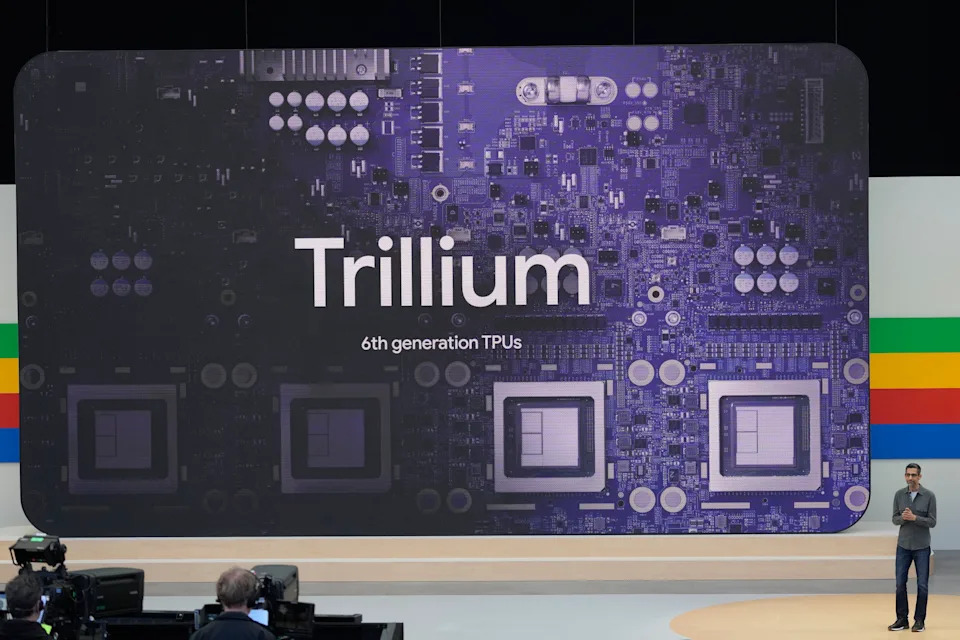
This article explores how Big Tech companies, including Google, Amazon, Meta, and OpenAI, are increasingly developing custom AI chips, challenging Nvidia's dominance in the AI chip market. These custom chips, often designed in partnership with firms like Broadcom, are cheaper and better optimized for specific software, reducing costs for internal AI workloads and cloud customers. Google, a pioneer with its TPUs, has begun selling chips externally, directly competing with Nvidia, while others like Microsoft and Amazon are at varying stages of development. Analysts predict custom chips could account for 45% of the market by 2028, up from 37% in 2024, potentially impacting Nvidia's high profit margins. However, the rapidly growing AI market may accommodate both Nvidia and its competitors, with Nvidia's extensive investments and ecosystem support ensuring continued growth, albeit at a slower rate. Challenges in custom silicon development mean not all tech giants may succeed, tempering the threat to Nvidia. CEO Jensen Huang remains confident, emphasizing Nvidia's comprehensive AI infrastructure solutions beyond individual chips.

Key Points
Summary
This article explores China's adoption of U.S.-style trade policies to counter American economic pressures amid an escalating trade war between the world's two largest economies. Beijing has introduced export controls on rare earths, requiring foreign firms to seek approval for exporting products containing Chinese materials or technology, significantly impacting global tech supply chains. Since 2018, and especially under recent U.S. tariffs initiated by President Trump, China has mirrored U.S. strategies like the foreign direct product rule with tools such as the Unreliable Entity List and anti-foreign sanction laws. These measures, including blacklisting U.S. companies and imposing export controls on critical elements, aim to retaliate against U.S. actions like high tariffs over issues such as fentanyl. While China's approach allows it to challenge Washington directly, experts caution that what Beijing views as reciprocity might be perceived as escalation, risking a downward spiral in relations. This tit-for-tat dynamic, fueled by both nations' expansive views of national security, underscores the complexities and dangers of the ongoing trade conflict.
Key Points
Summary
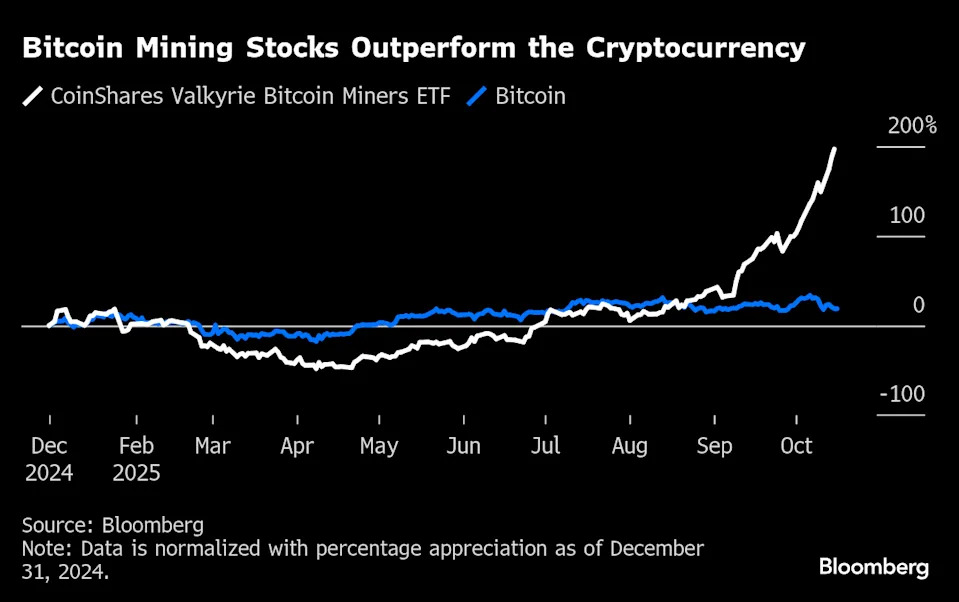
Bitcoin mining companies are outpacing Bitcoin's performance in 2025, with a fund tracking these firms surging over 150% year-to-date, despite Bitcoin's 14% gain and near-record highs. This success stems from a strategic pivot to artificial intelligence (AI) and high-performance computing (HPC), as miners like Cipher Mining Inc. and IREN Ltd. see share prices soar by 300% and 500%, respectively, through major AI infrastructure deals. Cipher’s $3 billion colocation agreement with Fluidstack and IREN’s $1 billion convertible notes offering highlight this shift. Bitdeer Technologies also plans to convert mining sites into AI data centers, projecting significant revenue by 2026. This transition is driven by declining mining profitability post the 2023 Bitcoin halving, which cut rewards and squeezed margins amid rising network difficulty and low hashprice. Investors now prioritize miners for their AI/HPC potential, where revenue per megawatt and margins far exceed traditional mining, leading to higher market valuations. Analysts note a focus on energy efficiency over expanding Bitcoin hashrate, with firms like Riot Platforms pausing growth to adapt to this new "energy economy." This marks a transformative phase where crypto mining and computing converge, redefining these companies as tech infrastructure providers rather than just Bitcoin miners.

Key Points
Summary
Steinway & Sons, a 150-year-old piano manufacturer based in Queens, New York, stands as a rare success in US manufacturing amidst challenges like high costs and trade wars. Employing around 200 skilled craftsmen, including 30-year veteran Bernard Craddock, the company handcrafts world-class pianos priced between $90,000 and $200,000. Unlike mass producers, Steinway focuses on quality and innovation, using domestically sourced materials to mitigate tariff impacts from policies like those under President Trump. This approach allows them to maintain premium pricing for high-end markets, such as concert performers. Despite broader US manufacturing job losses (42,000 since April) due to tariff uncertainties, Steinway remains unaffected, taking 11 months to build each piano with meticulous care. Challenges persist, including potential shortages of Sitka spruce from Alaska and the need for specialized labor, but CEO Ben Steiner emphasizes the irreplaceable skills of their workforce as a reason to stay in Astoria. Steinway’s legacy and commitment to craftsmanship, dating back to 1873 with only brief pauses during the Great Depression and World War II, ensure its continued operation in New York City, defying trends of outsourcing and automation that have reshaped American manufacturing.

Key Points
Summary
This year’s fall housing market has failed to rebound from its ongoing slump, despite mortgage rates stabilizing at around 6.3%, near 11-month lows, and anticipation of Federal Reserve rate cuts. While inventory is rising as sellers test the market, high home prices and rates continue to deter buyers, creating a persistent stalemate. Experts note that the slight drop in rates hasn’t significantly improved affordability, with Zillow estimating rates would need to fall to 4.43% for median-income families to afford a typical U.S. home. Cancellation rates for home sales are high, with 15% of August contracts falling through, and buyers in various regions are gaining some leverage as inventory grows and price cuts increase. However, many discretionary buyers are playing a waiting game, hoping for better conditions in spring, while sellers with low existing mortgage rates often hold firm on prices or pull listings if unmet. Real estate professionals across markets like San Antonio, Boston suburbs, and Northeast Ohio report slow sales, climbing inventory, and cautious buyers strained by affordability challenges, despite some regional price appreciation. The market remains in a state of pent-up supply and demand, with potential for shifts if prices plateau or rates drop further.
Key Points
Summary
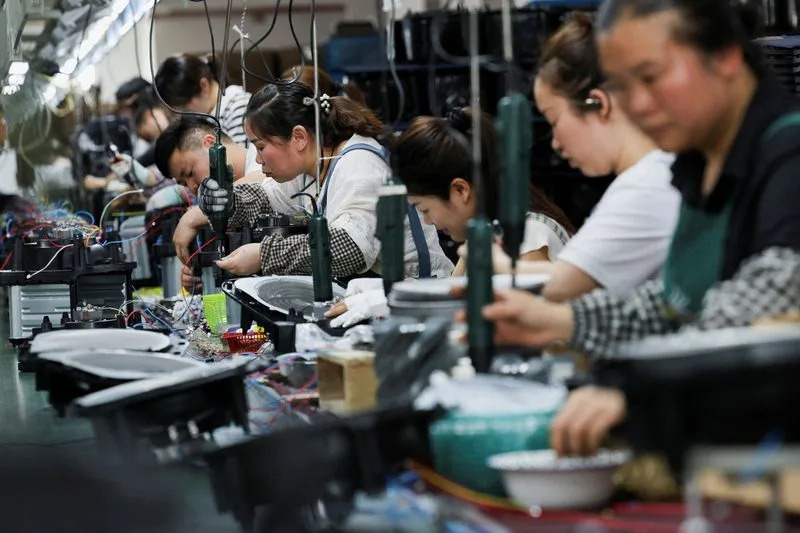
Chinese exporters are pivoting away from the U.S. market amid unpredictable tariff policies and trade disputes, focusing instead on regions like Europe, Latin America, the Middle East, and Africa. Despite a significant drop in U.S.-bound goods, China's exports grew by 7.1% to 19.95 trillion yuan ($2.80 trillion) in the first nine months of the year, showcasing economic resilience ahead of third-quarter GDP data. Manufacturers like Jacky Ren of Gstar Electronics have abandoned the U.S. market, exhausted by tariff volatility, while others, like Halloween decoration maker Lou Xiaobo, report halved revenues due to insufficient global demand to replace U.S. orders. At the Canton Fair in Guangzhou, no U.S. buyers were present among surveyed companies, with increased interest from other regions. However, intensified competition in new markets has driven down prices, forcing some exporters to sell at a loss. Many, including Cherry Yuan of Foshan Greenyellow Electric Technology, express frustration with the instability of U.S. trade relations, while Cai Jing of a travel mug company notes that U.S. buyers, not exporters, have initiated the market withdrawal. This shift highlights both the adaptability and the challenges facing China's export sector in a turbulent global trade environment.

Key Points
Summary
Yahoo Finance offers a suite of newsletters designed to keep subscribers informed about financial markets, economic trends, and personal finance. The flagship Morning Brief arrives daily at 6 a.m. ET, providing a key Takeaway column on market or economic themes, alongside updates on what to watch, read, and key economic and corporate events. Other offerings include Breaking News alerts for significant updates on stocks and the US economy, and Week In Tech, a weekly newsletter covering tech sector trends like AI and robotics. For personal finance, Mind Your Money delivers weekly tips and strategies for smarter money management. Lastly, Daily Movers provides a personalized weekday recap at the closing bell, featuring news and portfolio performance highlights. Each newsletter caters to different interests, ensuring subscribers stay updated on critical financial and business developments.
Key Points
Summary
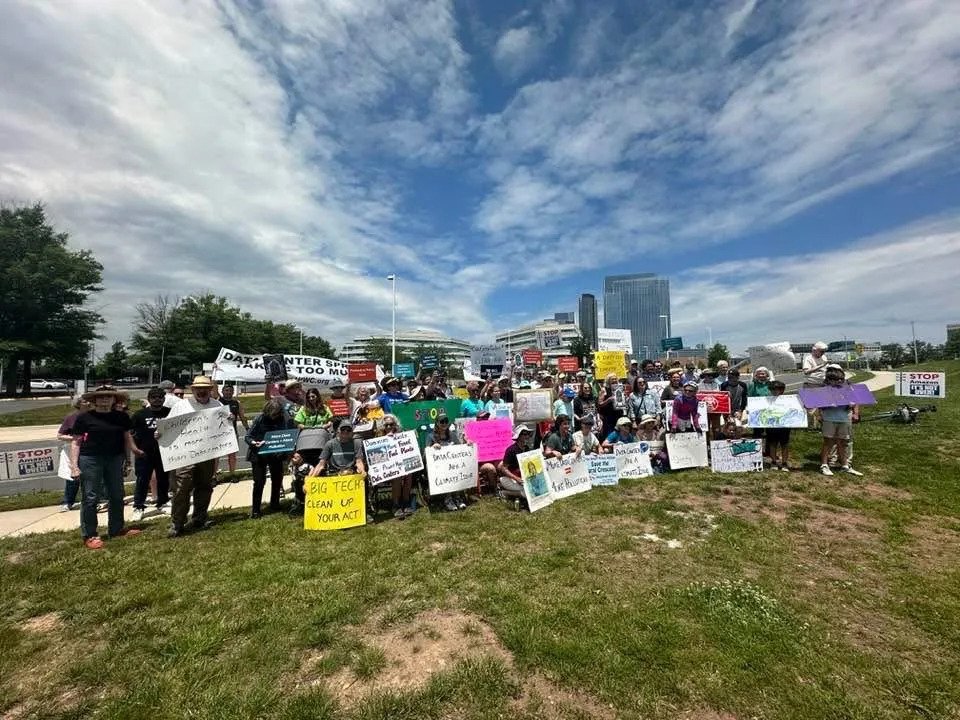
The rapid expansion of data centers by Big Tech to support AI growth is meeting resistance from local communities concerned about environmental and social impacts. With global spending on data centers projected to nearly double from $493 billion in 2025 to $920 billion by 2028, issues like soaring electricity costs, water consumption, and infrastructure strain are escalating. Critics highlight risks of blackouts and dry taps, while economic benefits like jobs and tax revenue are often overstated. Across 24 states, 142 activist groups have stalled $64 billion in projects since early 2023, employing tactics from lawsuits to grassroots campaigns. In Virginia, Elena Schlossberg’s coalition has led significant battles, achieving partial victories against projects by Amazon and Blackstone. Similar efforts in Georgia and elsewhere show mixed results, with some communities blindsided by nondisclosure agreements and zoning changes. State legislative attempts to regulate the industry largely fail, leaving locals to fend for themselves. While Big Tech touts economic gains, the fight against data centers reveals a broader struggle over community rights versus technological progress, with activists slowing—but not stopping—the AI-driven expansion.

Key Points
Summary
Credit investors are heavily funding artificial intelligence infrastructure, with billions poured into projects like Vantage Data Centers’ $22 billion loan and Meta Platforms’ $29 billion data center in Louisiana. However, industry leaders like OpenAI’s Sam Altman warn of an AI investment bubble akin to the dot-com era, predicting potential losses for investors. A MIT report underscores this concern, revealing that 95% of generative AI corporate projects fail to generate profit. Initially self-funded by tech giants like Google and Meta, AI development now relies increasingly on bond investors and private credit markets, with the latter contributing around $50 billion quarterly. Analysts express unease about the sustainability of these investments, drawing parallels to the telecom overborrowing of the early 2000s. Funding comes through diverse channels, including corporate debt, commercial mortgage-backed securities (up 30% to $15.6 billion), and payment-in-kind loans, indicating rising financial stress. Long-term funding for unproven technologies raises questions about future cash flows, with experts cautious about the lack of historical data to predict AI’s financial viability. Despite these risks, the influx of capital from direct lenders continues unabated, driven by the massive capital needs of AI hyperscalers, positioning them as the next major infrastructure asset class.

Key Points
Summary
The US and EU finalized a trade framework on Thursday, following a July 27 agreement, imposing a 15% US tariff on most EU imports such as autos and pharmaceuticals, but excluding wine and spirits. The EU pledged to remove tariffs on US industrial goods and enhance access for US seafood and agricultural products. Meanwhile, US Treasury Secretary Scott Bessent indicated contentment with current China tariffs, projecting revenues to exceed $300 billion, aimed at reducing federal debt. S&P Global Ratings affirmed the US's AA+ credit rating, citing tariff revenues as a buffer against fiscal strain from Trump's tax and spending policies, though economic outcomes are uncertain. The impact of tariffs on consumers remains gradual, with companies like Walmart noting rising costs in inventory but minimal shifts in consumer behavior so far. Additionally, Trump's broader tariff policies, including reciprocal tariffs on various trade partners, continue to influence markets and trade relations, with key negotiations pending with Canada, Mexico, and China. The slow emergence of tariff-related inflation, hidden in global supply chains, adds complexity to predicting economic effects, as importers adjust sourcing to mitigate costs.


