

Key Points
Summary
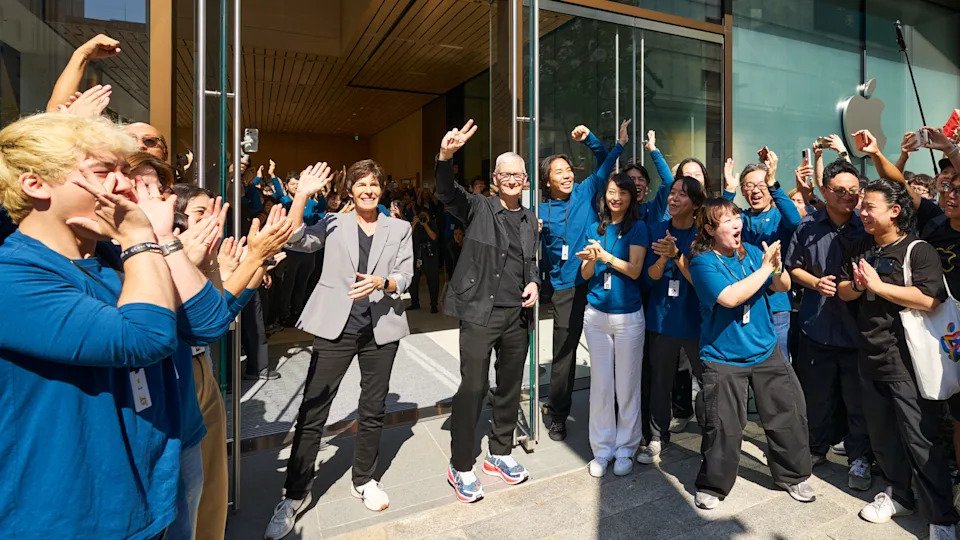
Apple CEO Tim Cook recently invested $3 million in Nike, nearly doubling his holdings to over 105,000 shares, a move that boosted Nike's stock by 4.64% on Wednesday. This purchase signals strong support for Nike CEO Elliott Hill, who is navigating a challenging turnaround for the sportswear giant. Hill, who returned as CEO in October last year, inherited a company struggling with declining sales in China, profit hits from tariffs, and increased competition. His "win now" strategy focuses on revitalizing Nike’s culture, product innovation, marketing, marketplace presence, and in-person engagement, alongside a renewed emphasis on sports. Despite these efforts, Nike's stock has fallen 18.5% year-to-date, reflecting ongoing obstacles. Cook, a Nike board member since 2005, and fellow director Robert Swan, who bought $500,000 in shares, demonstrate internal confidence in Hill’s vision. Cook’s personal connection to Nike is also evident through his custom Nike sneakers worn at Apple events, highlighting the long-standing collaboration between the two brands on products like fitness apps and Apple Watch variations.
Key Points
Summary
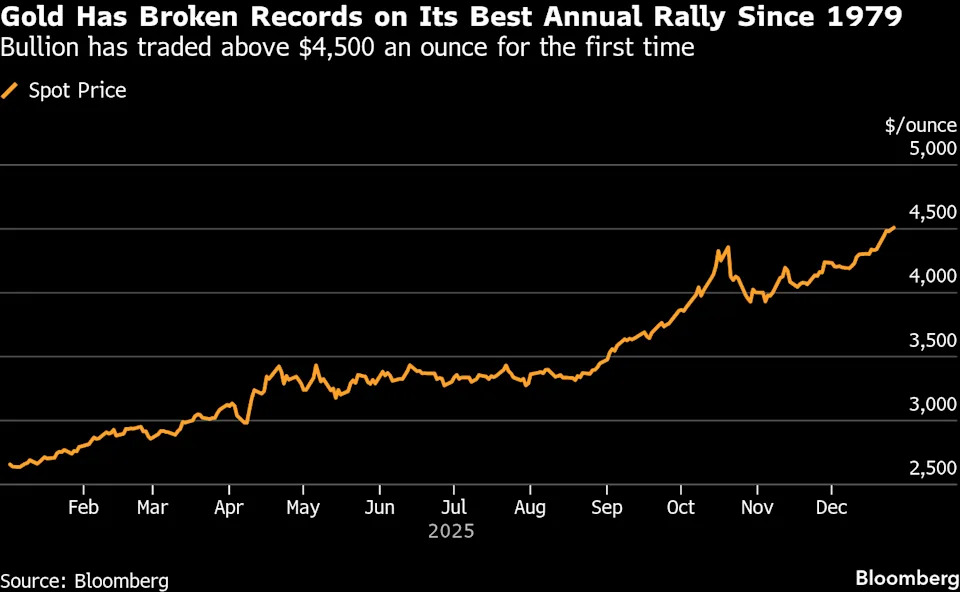
Precious metals like gold, silver, and platinum have soared to record highs in a historic end-of-year rally, driven by geopolitical tensions and a weakening US dollar. Gold peaked above $4,530 an ounce (up 1.2%), silver crossed $75 an ounce (up 5%), and platinum surged over 40% this month to above $2,400 an ounce. Factors fueling the rally include US actions in Venezuela and Nigeria, a 0.7% weekly drop in the Bloomberg Dollar Spot Index, and supportive monetary policies like three consecutive US Federal Reserve rate cuts. Gold and silver have gained 70% and over 150% respectively in 2024, marking their best annual performance since 1979, bolstered by central bank buying and ETF inflows. Supply constraints, such as platinum deficits and a silver short squeeze, alongside strong physical demand, exacerbate price increases. Additionally, investor fears over global trade disruptions, swelling debt, and currency debasement—amplified by US policy moves under President Trump—have reinforced the appeal of precious metals as safe-haven assets. Despite earlier pullbacks, such as gold’s retreat from $4,381 in October, robust ETF buying continues to drive the surge, with holdings in major funds like SPDR Gold Trust up over 20% this year.
Key Points
Summary
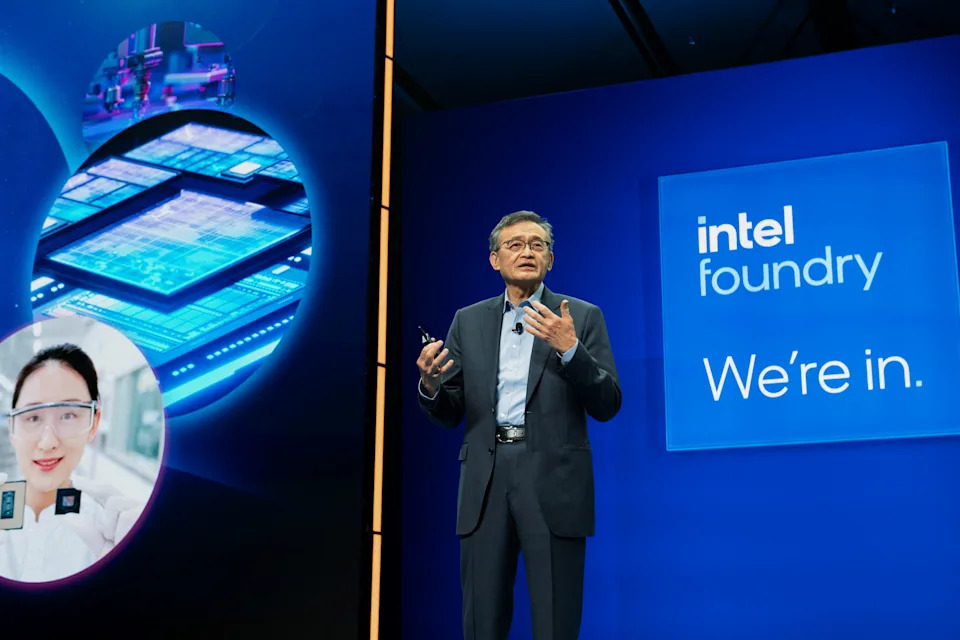
In 2025, Intel (INTC) saw a remarkable stock surge of over 80%, outpacing rivals like AMD and the "Magnificent Seven" Big Tech stocks. This growth was fueled by the appointment of new CEO Lip-Bu Tan, who replaced Pat Gelsinger, and significant investments, including $9 billion from the US government, $5 billion from Nvidia, and $2 billion from SoftBank. These developments, alongside a renewed focus on onshoring semiconductor production due to national security concerns and tensions with China, boosted investor confidence. However, Intel's manufacturing segment continues to struggle without a major external customer, a critical need to sustain its loss-making foundry business. Despite technological advancements like the 18A and 14A processes, Intel faces stiff competition from TSMC and must prove its manufacturing capabilities to attract clients like Apple or Nvidia. Analysts remain cautiously optimistic, noting that while Tan's cost-cutting and industry connections are promising, a full turnaround could take years due to past missteps and the competitive landscape. The US government's stake may influence trade policies and partnerships, but Intel's future hinges on securing key contracts within the next 12-18 months to validate its foundry ambitions.
Key Points
Summary
Oracle Corporation (ORCL) has become a symbol of the tech industry's 2025 dilemma over AI's potential versus its risks. The year began with a surge in Oracle's stock, driven by a $500 billion AI infrastructure joint venture with OpenAI and SoftBank, announced by President Trump, and bolstered by strong quarterly earnings projecting cloud revenue of $166 billion by 2030. This briefly made Oracle chair Larry Ellison the world’s richest person. However, optimism faded as concerns over Oracle's escalating debt—$26 billion in bonds and a 40% rise to $124 billion—mounted, alongside fears of an AI bubble. Credit default swap demand spiked, reflecting investor unease about tech debt risks. Oracle's stock plummeted over 40% from its September peak, despite a 15% yearly gain, as doubts emerged about AI demand and OpenAI's revenue capabilities amid $1.4 trillion in infrastructure costs. Additional challenges include $248 billion in unreported data center lease commitments, potential delays, and a CEO transition. While some investors remain bullish on Oracle's historical performance, skepticism persists about its ability to monetize AI investments swiftly, especially with constrained cash flow compared to hyperscalers like Microsoft. Oracle's story encapsulates the broader tech trade conflict over AI's transformative promise versus financial overreach.
Key Points
Summary
The new year brings significant retirement-related updates for 2026, impacting savers and retirees alike. Contribution limits for IRAs rise to $7,500, with a $1,100 catch-up for those over 50, while 401(k) and similar plans increase to $24,500, with catch-ups up to $11,250 for ages 60-63. Health Savings Accounts see limits of $4,400 for individuals and $8,750 for families. Social Security benefits get a 2.8% COLA boost, adding about $56 monthly, though Medicare Part B premiums jump to $202.90, with a higher deductible of $283. On a positive note, out-of-pocket costs for key Medicare-negotiated drugs drop by over 50%. Additionally, full retirement age reaches 67 for those born in 1960 or later, and Social Security tax applies to income up to $184,500. Medicare Advantage plans may see reduced benefits, but open enrollment offers flexibility to switch plans. Potential Social Security office closures loom, pushing users toward online services. These changes reflect a mix of opportunities and challenges for retirement planning in 2026.

Key Points
Summary
The race to dominate artificial intelligence has sparked a fierce talent war among leading tech companies like OpenAI, Anthropic, Meta, and Google DeepMind. These AI giants are offering enormous pay packages to secure top researchers and engineers, with signing bonuses reportedly reaching $100 million. Beyond established talent, they are also investing heavily in unearthing new potential through lucrative internships, fellowships, and residencies. Programs like OpenAI’s Residency ($18,300/month), Google’s Student Researcher ($113,000-$150,000 base salary), and Meta’s research internships ($7,650-$12,000/month) highlight how entry-level AI roles now rival full-time salaries in other sectors. Major investments, such as Meta’s $14.3 billion acquihire of Scale AI and Google’s $2.4 billion talent acquisition from Windsurf, underscore the high stakes. Even at smaller startups, AI leaders command base salaries of $300,000-$400,000. This intense competition reflects the critical role of human capital in pushing AI boundaries, with companies not only battling for proven experts but also nurturing the next generation of innovators through structured, high-compensation programs.
Key Points
Summary
Nvidia has entered into a non-exclusive licensing agreement with AI startup Groq, gaining access to its chip technology focused on inference—the process where trained AI models respond to user requests. As part of the deal, Nvidia will hire Groq’s founder and CEO, Jonathan Ross, a former Google AI chip veteran, along with President Sunny Madra and other engineering team members. Groq, which will continue as an independent entity under new CEO Simon Edwards, specializes in inference, a market where Nvidia faces competition from AMD and startups like Cerebras Systems. While financial terms were not disclosed, speculation from CNBC suggests a $20 billion acquisition, though unconfirmed by either party. This deal mirrors recent tech industry trends where large firms secure talent and technology without full acquisitions, as seen with Microsoft, Meta, and Amazon. However, such arrangements have drawn antitrust scrutiny, though the non-exclusive nature of this license may help maintain a semblance of competition. Groq, recently valued at $6.9 billion after a funding round, uses on-chip SRAM memory to enhance AI performance, distinguishing itself in a memory-constrained industry. Nvidia’s CEO Jensen Huang remains confident in maintaining leadership as AI shifts toward inference, despite growing competition.
Key Points
Summary
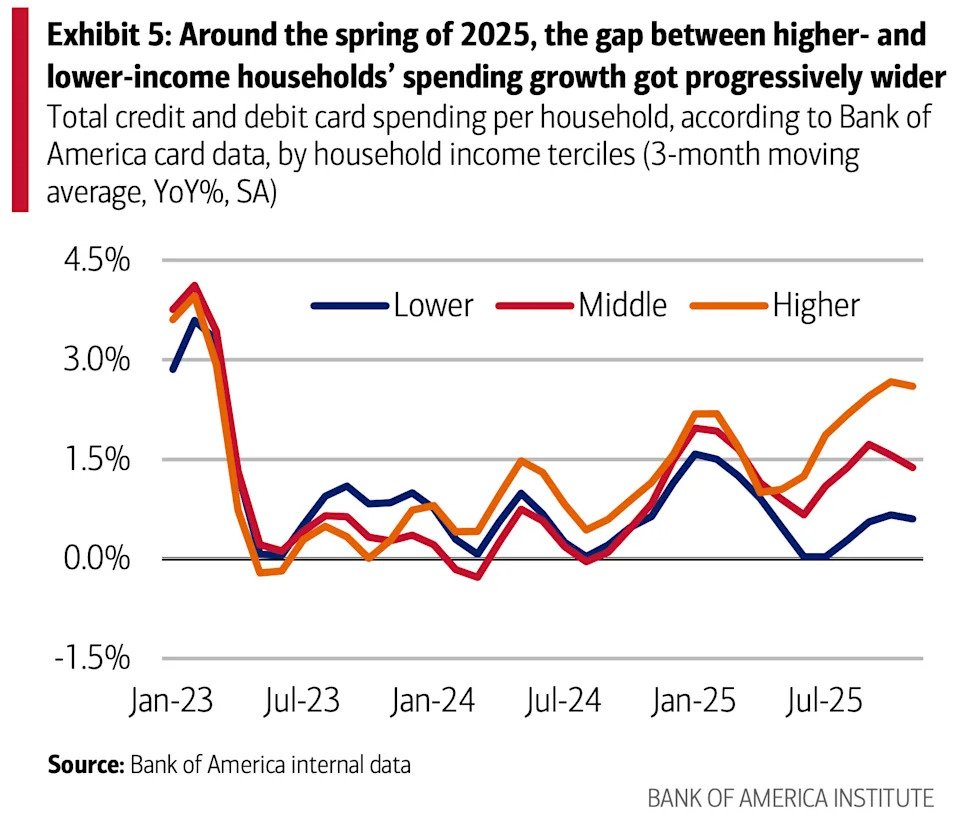
The US economy in 2025 is defined by a K-shaped recovery, where the economic divide between income groups has widened. Higher-income households boosted spending by 4% in November, while lower-income groups saw less than 1% growth, reflecting disparities in financial security and optimism. Consumer sentiment is down nearly 30% from December 2024, with fears of rising unemployment—already at a four-year high of 4.6%—and tariff-driven inflation weighing on the middle and lower classes. Retailers like Walmart and TJX, focusing on value, outperformed the S&P 500, while dollar stores attracted higher-income shoppers seeking savings. Despite these divides, overall economic growth persists, driven by consumer spending from wealthier households, with GDP growth at 4.3% in Q3. However, challenges loom in 2026 as potential tariffs and delayed price hikes could exacerbate pressures on lower-income consumers. Analysts suggest the K-shaped dynamic does not yet threaten macroeconomic growth, as higher-income spending sustains the economy, but the divide—also influenced by age and asset ownership—remains a defining feature of the economic landscape.
Key Points
Summary
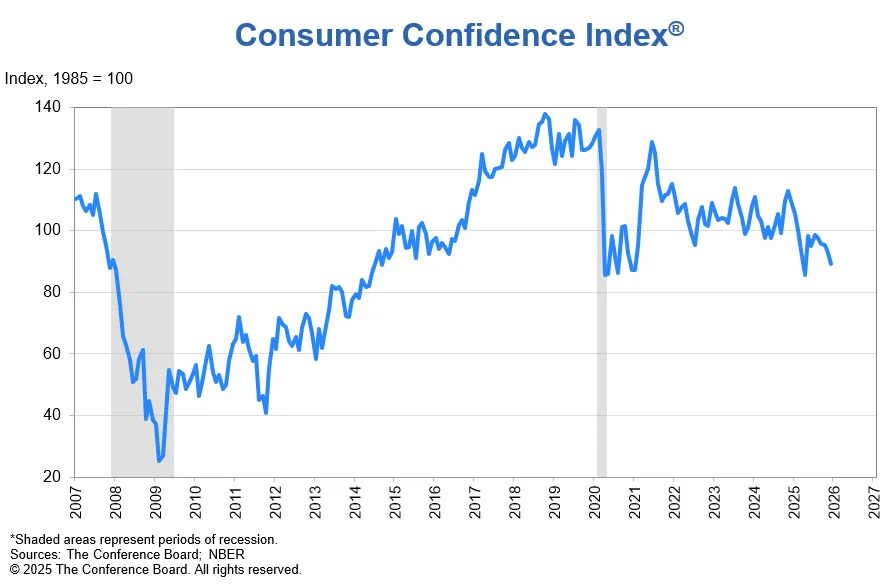
US stocks advanced on Tuesday, with the S&P 500 setting a new record close at 6,909.79, up 0.5%, while the Nasdaq Composite rose 0.6% and the Dow Jones Industrial Average gained 0.2%, marking a fourth consecutive session of gains. Despite strong economic data revealing a 4.3% annualized GDP growth in Q3—exceeding the expected 3.3%—investors scaled back expectations for imminent Federal Reserve rate cuts, with odds of a January cut dropping. Precious metals, including gold and silver, continued their remarkable rally, hitting new highs and on track for their best year in over 40 years, while copper also reached a record above $12,000 per ton. However, consumer confidence fell for the fifth straight month, indicating persistent economic unease. On the corporate side, Novo Nordisk’s stock surged after US approval of its Wegovy weight-loss drug. Meanwhile, discussions around revising the Fed’s 2% inflation target to a range-based system emerged, and government spending increased despite a reduction in federal workforce under the Department of Government Efficiency. As markets head into the Christmas holiday, early closures and full-day closures are scheduled for Wednesday and Thursday, respectively.
Key Points
Summary
The past year at the Federal Reserve was marked by a rare conflict between its goals of maximum employment and stable prices, echoing 1970s stagflation, and resulting in significant internal divisions over interest rate policies. Despite this, Chair Jerome Powell secured consensus for three rate cuts in 2025, though future chairs may face challenges if inflation remains high and the job market weakens. President Trump’s economic policies, including tariffs and immigration curbs, alongside his pressure on the Fed and threats to remove Powell, sparked fears over central bank independence. Tariffs initially had a milder-than-expected impact on inflation, but concerns persist about sustained price pressures into 2026, exacerbated by data gaps from a record government shutdown. The labor market showed signs of cooling, prompting dissents within the Fed on whether to prioritize inflation or employment. Looking ahead, the Fed plans a cautious approach with only one rate cut expected in 2026, as it navigates a muddy economic picture, fiscal tailwinds, and ongoing inflation above its 2% target. A new Fed chair, likely favoring lower rates, will inherit these challenges amid questions about independence and economic forecasts.

Key Points
Summary
US airlines are gearing up for a record-breaking holiday season, expecting an average of 2.9 million passengers daily from Dec. 19 to Jan. 5, a 1.5% rise from last year, according to Airlines for America. Domestic round-trip airfares are set to average $900, up 7% from 2024. Major airports are also bracing for significant increases, with New York and New Jersey expecting 5.7 million travelers (1% up), Chicago’s airports preparing for 4.8 million (6% up), and Dallas Fort Worth anticipating 5 million (3.2% up). However, the year has been turbulent for airlines, with economic uncertainty sparked by President Trump’s April tariff announcement and a government shutdown in autumn leading to temporary flight cuts at 40 major airports due to staffing shortages at the Federal Aviation Administration. Additionally, ongoing airport renovations in cities like New York and Chicago are causing potential delays, with authorities advising travelers to plan for construction and traffic congestion. Despite these challenges, bookings saw a recovery over the summer, setting the stage for a busy holiday travel period.
Key Points
Summary
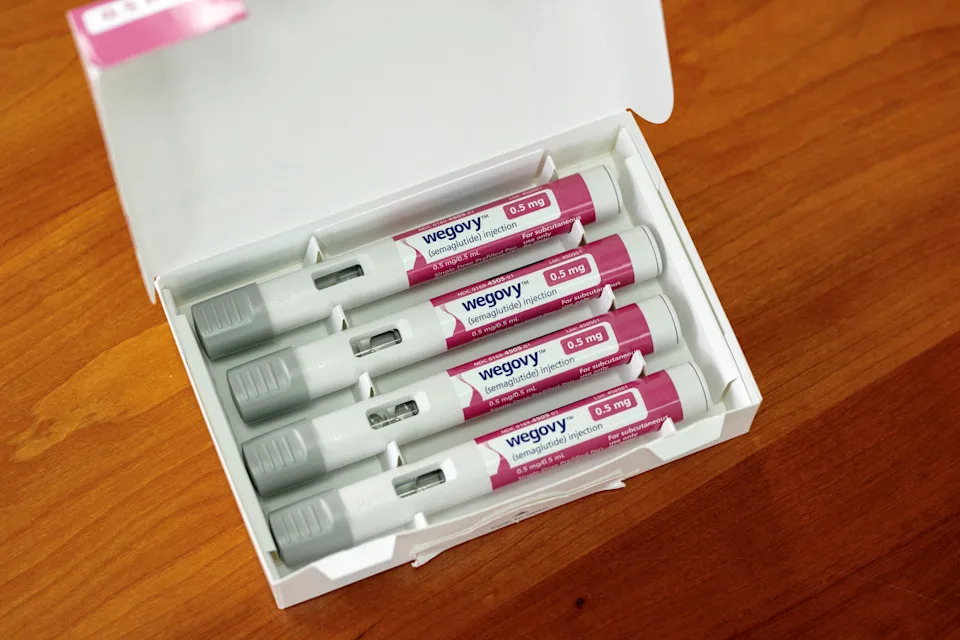
The U.S. Food and Drug Administration has approved Novo Nordisk's oral weight-loss pill, a 25 mg dose of semaglutide sold as Wegovy, marking a pivotal moment for the Danish drugmaker in the competitive obesity treatment market. This approval, announced on December 22, gives Novo an edge over rival Eli Lilly, especially after a tough year of declining shares and slowing sales of its injectable Wegovy due to competition and compounded versions. A late-stage study demonstrated impressive results, with participants losing an average of 16.6% of their body weight over 64 weeks compared to 2.7% on placebo. Approved for chronic weight management in adults with obesity or overweight and related conditions, the pill targets a massive potential market, projected to reach $150 billion annually by the next decade. Novo’s shares jumped over 8% in early trading, signaling strong market optimism. This development could open access to millions of patients globally, addressing spiraling healthcare costs linked to obesity while bolstering Novo Nordisk’s position in the industry.

Key Points
Summary
Stocks ended a mixed week with a rally on Friday, marking the final full trading week of 2025. The Nasdaq Composite gained 0.4%, while the Dow Jones Industrial Average fell 0.7%, and the S&P 500 remained nearly flat. All major indexes are within 3% of record highs as the year closes. Consumer sentiment, though slightly up in December, is significantly lower than last year, highlighting a K-shaped economy where affluent households fuel spending while lower-income ones struggle. Inflation data surprised with a 2.7% rise in November, potentially paving the way for further Federal Reserve rate cuts in 2026. Big Tech stocks, including Oracle, Nvidia, and Micron, boosted market optimism, aligning with hopes for a "Santa Claus Rally" in the last trading days. However, concerns over valuations and persistent consumer frustration with rising essential costs temper expectations. Upcoming economic data, like consumer confidence, and holiday-shortened trading sessions will shape the week's focus, while Wall Street remains broadly positive on 2026's market outlook, driven by economic growth and earnings potential beyond the AI sector.
Key Points
Summary
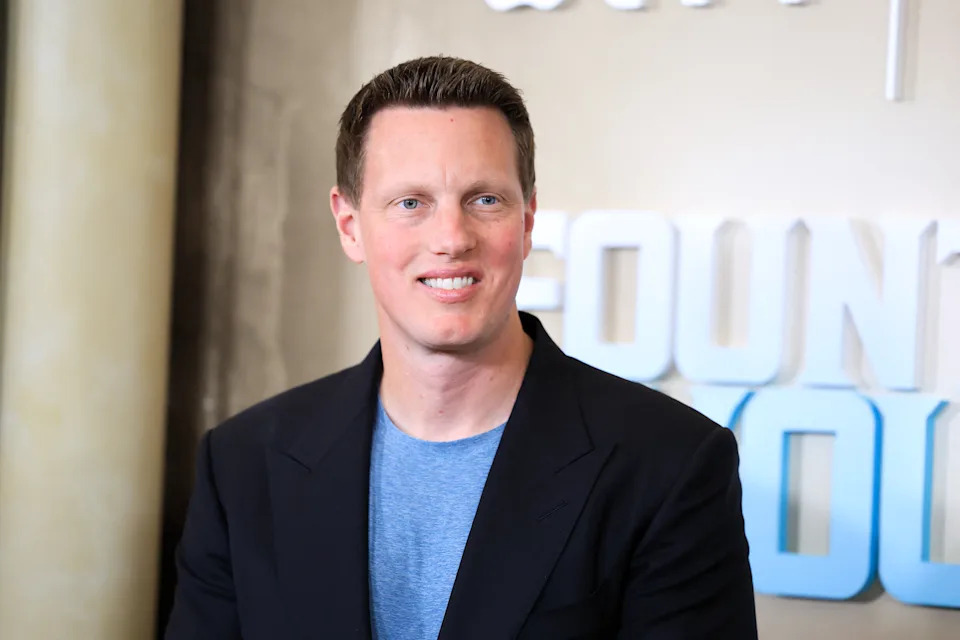
David Ellison, CEO of Paramount Skydance Corp., aggressively pursued Warner Bros. Discovery Inc. for months, aiming to merge and bolster Paramount’s struggling position in the entertainment industry. Despite multiple meetings with Warner Bros. CEO David Zaslav and several rejected bids, Ellison’s efforts faltered when his legal team sent a threatening letter on Dec. 3, questioning the sale process’s fairness. This misstep, unbeknownst to some in Ellison’s circle, was followed by a revised offer, but it was too late—Warner Bros. sold its studio and HBO Max to Netflix Inc. that night. Ellison, supported by his father Larry Ellison’s wealth and political ties, persists with a $30-a-share offer to shareholders and hopes to derail the Netflix deal. However, Paramount’s erratic tactics, including demands for exclusivity and extensive data access, damaged its standing with Warner Bros., paving the way for Netflix to secure the iconic assets. Ellison’s vision to revitalize Paramount through this merger now faces an uncertain future as shareholder sentiment wavers and Warner Bros. stock declines.
Key Points
Summary
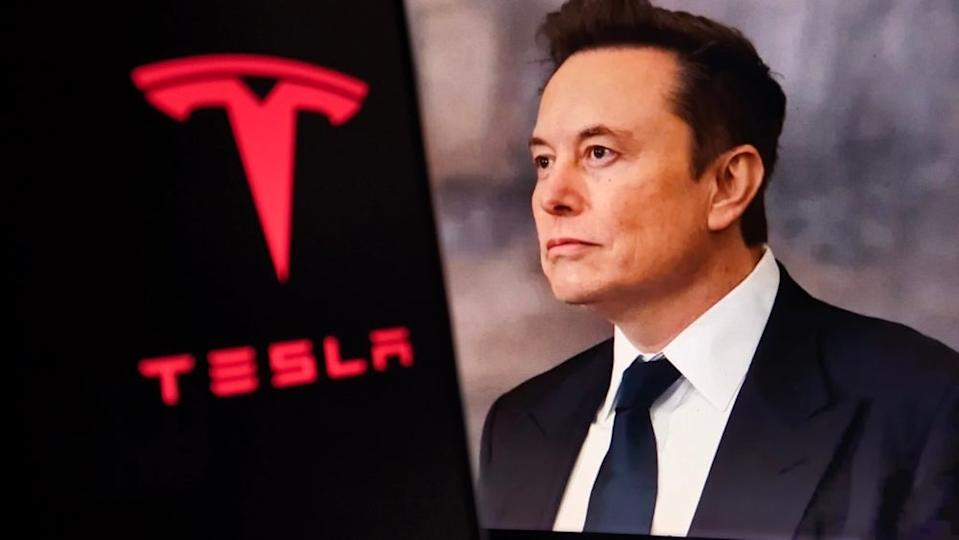
Elon Musk's 2018 Tesla pay package, initially valued at $56 billion, was reinstated by the Delaware Supreme Court on December 19, reversing a lower court's 2024 decision to rescind it as "unfathomable." Now worth about $139 billion, the package could boost Musk's stake in Tesla from 12.4% to 18.1% if fully exercised. The court deemed the prior rescission inequitable, noting Musk's uncompensated efforts over six years. This ruling, which follows shareholder approval of a new potential $878 billion pay plan, reinforces Musk's control over Tesla, a priority for him. The decision also counters criticism of Delaware's business environment, though Musk has moved Tesla’s incorporation to Texas, where stricter rules for shareholder lawsuits apply. Critics of the original package, led by investor Richard Tornetta, had argued Tesla's board was conflicted, but the Supreme Court's stance aligns with strong shareholder support. Tesla shares saw minimal after-hours movement, and Musk celebrated the outcome on X as a vindication. Legal challenges may continue, but the ruling marks a significant win for Musk amidst his broader ventures and Tesla's evolving corporate strategy.

Key Points
Summary
Jeff Bezos’ Blue Origin marked its 16th human spaceflight on Saturday with a successful suborbital mission carrying a six-person crew aboard the New Shepard spacecraft. Launched at 9:15 a.m. New York time from West Texas, the flight lasted roughly 11 minutes and included historic passengers like Michaela Benthaus, the first wheelchair user to reach space, and Hans Koenigsmann, a former SpaceX engineer. Originally scheduled for Dec. 18, the mission was delayed due to pre-flight issues. Blue Origin continues to advance space tourism, though ticket prices remain undisclosed, with competitor Virgin Galactic charging approximately $600,000 for similar trips. The company also operates the larger New Glenn rocket, which recently completed a successful mission deploying NASA spacecraft to Mars and landing its reusable booster. Notable past passengers include Katy Perry, Lauren Sánchez, and Gayle King, who formed the first all-female crew in over 60 years during an April flight. Blue Origin’s efforts highlight its dual focus on short tourism flights and ambitious orbital missions.


