


Key Points
Summary
US stocks kicked off 2026 with mixed performance on the first trading day, as the Dow Jones Industrial Average rose 0.6% and the S&P 500 gained 0.2%, while the Nasdaq Composite slipped slightly below flat. Semiconductor giants like Nvidia, AMD, and Micron saw notable gains, contrasting with declines in tech heavyweights like Tesla and Microsoft. After a strong 2025 with the S&P 500 up over 16% and Nasdaq over 20%, Wall Street remains optimistic for a fourth year of gains, though risks such as a potential AI slowdown, economic surprises, and political uncertainties tied to President Trump’s policies loom large. Precious metals like gold and silver held steady after their best yearly performance since 1979, and aluminum hit a significant price milestone. Attention now turns to key 2026 events, including the CES in Las Vegas, where AI will take center stage with presentations from Nvidia and AMD leaders. Meanwhile, the Federal Reserve’s direction, potential leadership changes, and interest rate decisions remain critical for investors, alongside a sputtering "Santa Claus rally" and broader market dynamics.
Key Points
Summary
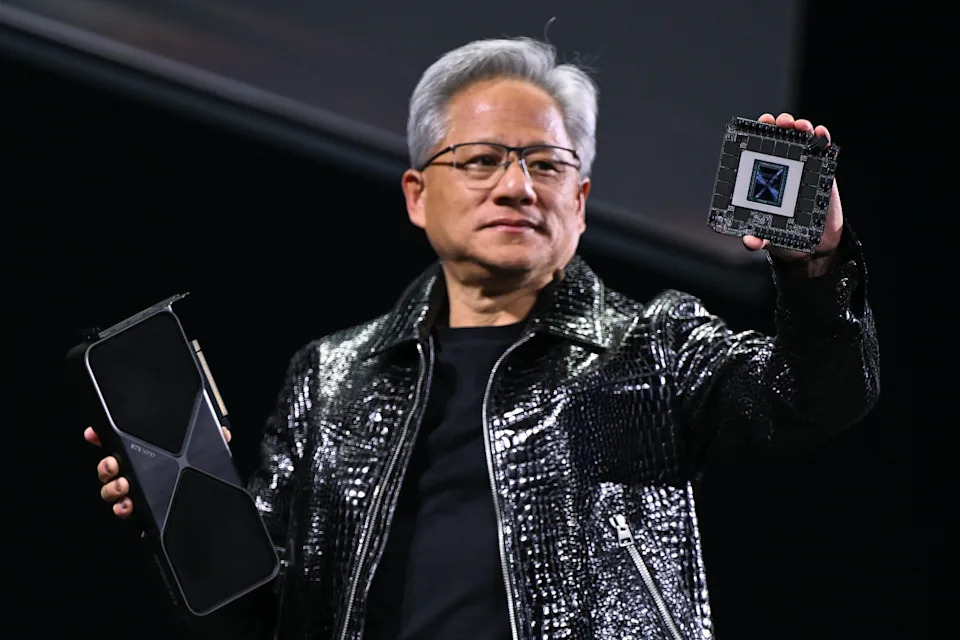
CES 2026, kicking off on January 6 in Las Vegas, promises to be a landmark event for the tech industry, spotlighting artificial intelligence (AI) and robotics as central themes. Hosted by the Consumer Technology Association, the show will feature keynotes from industry giants like Nvidia’s Jensen Huang, AMD’s Lisa Su, and Intel’s Jim Johnson, who will unveil cutting-edge AI chips, gaming technologies, and PC processors like Intel’s Core Ultra Series 3. Robotics, including humanoid robots, AI drones, and self-driving cars, is set to dominate discussions, while the auto industry will showcase AI-integrated dashboards and futuristic concepts like flying cars. AI-powered wearables, such as smart glasses from Meta and others, will also debut. Qualcomm will build on its Snapdragon X-series momentum, with CEO Cristiano Amon participating in key discussions. Beyond innovation, CES will feature quirky products, maintaining its reputation for the unexpected. Yahoo Finance will provide live coverage of all major announcements, capturing the competitive spirit of chipmakers and designers vying for attention on this global stage.

Key Points
Summary
Tesla reported disappointing fourth-quarter vehicle deliveries of 418,227, a 15% decline from the previous year and below Wall Street's expectation of 423,000. For the full year, deliveries reached 1.64 million, down 8% from 2024, marking the second consecutive year of declining sales. Despite the shortfall, Tesla's stock rose slightly by 1-2% on Friday, possibly aided by the company preemptively publishing lower consensus estimates. A significant factor in the Q4 drop was the loss of a $7,500 EV tax credit in the US, where sales fell 22.4% to 125,900 units. While delivery numbers disappointed, Wall Street analysts remain optimistic about Tesla's future, focusing on its AI and robotaxi initiatives. Deutsche Bank noted the narrative around robotaxi remains strong despite a smaller fleet size, and Wedbush analyst Dan Ives called Tesla a top AI play for 2026, highlighting Full Self-Driving (FSD) and Cybercab as key growth drivers. Tesla's removal of safety drivers in Austin for testing also signals progress toward broader autonomous rollouts. This suggests that for many investors, Tesla's value lies beyond quarterly sales, in its potential to lead in autonomous and AI-driven technologies over the coming years.
Key Points
Summary
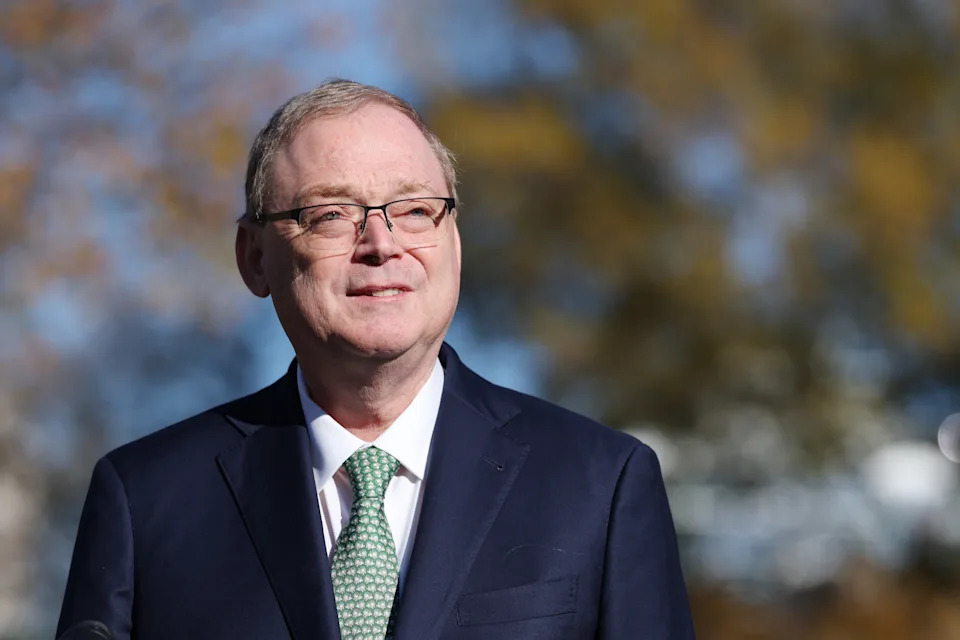
This article from Yahoo Finance's Morning Brief explores key financial and economic narratives for 2026. It highlights the persistence of tech giants in AI investment despite bubble concerns, cushioned by their profitable core businesses, while smaller AI firms face greater risks. Federal Reserve Chair Jerome Powell's impending departure raises questions about his legacy, particularly his resistance to political influence, though he may not see his goal of a stable economy with controlled inflation realized. Prediction markets are gaining traction through platforms like Robinhood and Coinbase, offering innovative sentiment analysis but drawing criticism akin to sports betting for ethical issues. Lastly, a potential SpaceX IPO could redefine Elon Musk's investment landscape, marking a historic public offering and enhancing his influence, potentially at Tesla's expense. The article underscores the unpredictability of 2026's financial landscape, urging readers to approach these predictions with skepticism while framing critical areas to watch.
Key Points
Summary
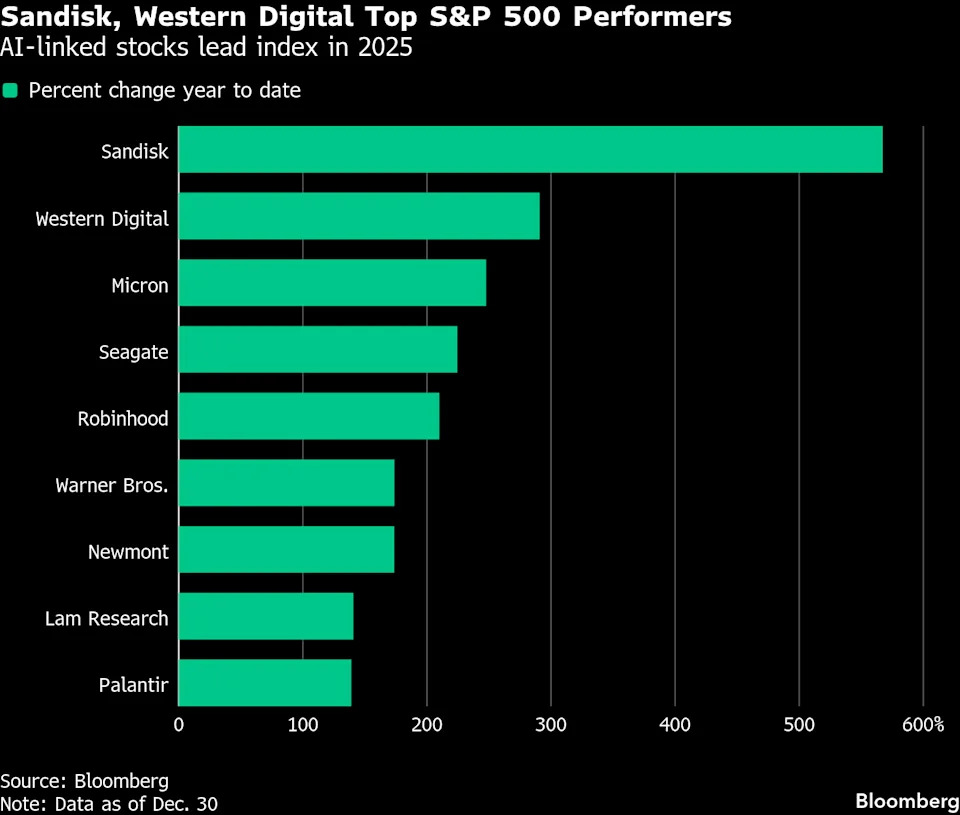
The S&P 500 is projected to close 2025 with a gain of over 17%, marking the third consecutive year of a bull market, largely driven by enthusiasm for artificial intelligence (AI). AI-related stocks, including those in data storage and data center infrastructure, have led the charge, with hyperscalers like Microsoft and Amazon pledging over $440 billion for AI expansion, benefiting companies like Sandisk and Western Digital. Palantir Technologies and Warner Bros. Discovery emerged as top performers, with significant gains fueled by AI interest and takeover speculation, respectively. New S&P 500 additions like Robinhood and AppLovin also saw triple-digit increases, though some newcomers struggled. Conversely, consumer staples, retail, and managed care sectors faced headwinds from economic uncertainty, tariffs, and policy ambiguity under the Trump administration. Stocks like Chipotle, Lululemon, and Molina Healthcare saw substantial declines, though some investors see potential for recovery in undervalued health insurance stocks.
Key Points
Summary
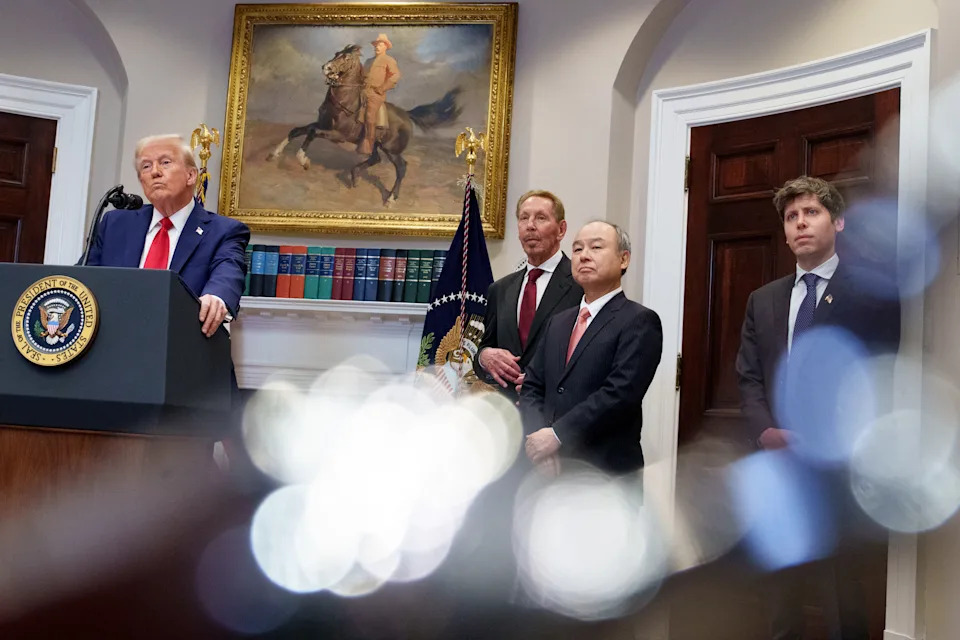
The article recaps a tumultuous yet prosperous 2025 for financial markets, with the S&P 500 securing a third straight year of double-digit gains, closing near record highs amid bullish Wall Street sentiment. The year was marked by significant events, including Donald Trump’s second presidential term, which introduced market-shaking tariffs leading to a 10% S&P 500 drop in two days, followed by a historic rebound after a tariff pause. The AI sector saw massive investments, with over $150 billion funneled into startups and $300 billion committed by tech giants like Alphabet and Microsoft. Market volatility was evident with Nvidia’s sharp 17% single-day loss, Bitcoin’s record high and subsequent 30% fall, and gold’s best performance in decades. Leadership transitions also shaped the narrative, as Warren Buffett announced his final year as Berkshire Hathaway’s CEO, passing the baton to Greg Abel. From Trump’s policy shocks to tech-driven growth and cryptocurrency swings, 2025’s financial story was a blend of innovation, instability, and historic milestones that kept investors on edge.

Key Points
Summary
The Federal Reserve's December meeting minutes, released on Tuesday, revealed a closely contested decision to cut interest rates by a quarter percentage point to a range of 3.5%-3.75%, marking the third reduction this fall. While most officials supported the cut due to concerns about the job market, some advocated for maintaining rates, citing stalled progress toward the 2% inflation target. The minutes highlighted a split in opinions, with some suggesting it could be "some time" before further cuts, depending on economic data and inflation trends. Inflation is expected to remain somewhat elevated in the near term before gradually declining to the target, though uncertainties persist regarding the impact of tariffs on goods prices. Fed Chair Jay Powell adopted a cautious tone, indicating the committee is in a good position to evaluate the economy before deciding on future rate adjustments. The minutes, released with a three-week lag, provide a snapshot of officials’ thinking before newer economic data, including delayed November inflation and labor figures due to a government shutdown, became available. Notably, post-meeting data showed the unemployment rate reaching a four-year high of 4.6% in November, adding complexity to the Fed’s ongoing balancing act between inflation control and labor market stability.

Key Points
Summary
Gold and silver prices crashed after reaching record highs, with gold futures declining 4.5% to just over $4,340 per troy ounce and silver futures dropping 8.7%, their worst performance since 2021. The downturn followed heightened market tension after the Chicago Mercantile Exchange increased margin requirements for silver futures, forcing leveraged traders to sell or add funds. Additionally, China’s upcoming export restrictions on silver, starting in January, have intensified supply fears, especially given the metal’s critical role in the AI and renewable energy sectors. Silver, the top conductor of electricity, is essential for electronics, solar panels, and electric vehicles, and is currently in a global market deficit, recently added to the US critical minerals list. Despite a remarkable year—silver surged nearly 150% and gold 67%—experts like Bloomberg’s Mike McGlone caution against over-optimism, warning of potential price reversals reminiscent of the 1980 crash following a similar rapid ascent in 1979. Elon Musk also expressed concern over silver’s soaring prices due to its industrial importance. As precious metals like copper and platinum also hit records, the market remains volatile, with calls to take profits amid stretched valuations.

Key Points
Summary
Silver prices experienced a dramatic decline of over 6% after hitting a record high of $84 an ounce, driven by a speculative rally fueled by Chinese investment demand. The surge saw premiums for spot silver in Shanghai reach an unprecedented $8 above London prices. This frenzy prompted extreme measures in China, including the country’s only pure-play silver fund rejecting new customers after failing to temper investor enthusiasm with risk warnings. Concerns over potential heavy losses grew as the fund’s premium ballooned to over 60% above its underlying assets. Elon Musk weighed in, noting silver’s industrial importance, especially in solar photovoltaics, amid fears of supply shortages with inventories at historic lows. Meanwhile, exchanges like CME Group are raising margins on silver futures to reduce speculation. The rally follows a recent squeeze in the London silver market due to ETF inflows and exports to India, with much of the world’s available silver now in New York pending a US trade probe. Technical indicators suggest the rally may have overheated, with silver trading down 5.5% at $74.95 an ounce, alongside declines in gold, platinum, and palladium. Analysts warn of an extreme speculative atmosphere, exacerbated by hype around tight supply, as China—both a top producer and the largest consumer—continues to influence global silver dynamics.

Key Points
Summary
Since President Trump's 'Liberation Day' tariffs sparked a U.S. bond market revolt in April, his administration has worked to stabilize relations with investors through tailored policies and messaging. However, this truce remains fragile, as highlighted by a November 5 spike in 10-year bond yields following Treasury's hint at more long-term debt sales and a Supreme Court case on tariff legality. Investors are wary of the $30 trillion U.S. debt and federal deficit, with the rising "term premium" signaling demand for higher yields. Treasury Secretary Scott Bessent has prioritized keeping yields low, engaging with investors and expanding bond buyback programs to maintain market confidence. Despite a drop in yields and reduced volatility, risks persist from potential tariff pressures, AI market bubbles, and Federal Reserve policies. Bond vigilantes, who punish fiscal irresponsibility, remain a latent threat, with experts warning that the administration has only temporarily bought time. The U.S. economy's resilience and strategic Treasury actions have helped, but underlying tensions over public finances and political delivery continue to loom, potentially reigniting market unrest if not addressed.
Key Points
Summary
The S&P 500 is on track for a 17% gain in 2024, fueled by a 26% rise in tech stocks, as strategists downplay immediate concerns of an AI bubble. Sanctuary Wealth’s Mary Ann Bartels sees parallels with historical bubbles but predicts a potential bubble only by 2029-2030, expecting tech to drive the S&P 500 to 10,000-13,000 by decade’s end. Nvidia, a leader in AI chips, has soared over 40% this year, reaching a $4.6 trillion market cap, further boosted by a $20 billion deal with Groq. UBS and Goldman Sachs forecast sustained market growth, with S&P 500 targets of 7,700 for 2025, driven by earnings growth rather than speculative valuations. Analysts also anticipate broader market participation, with AI productivity expected to lift earnings beyond the dominant "Magnificent 7" stocks, offering opportunities for outsized returns in other sectors.

Key Points
Summary
The article discusses the U.S. stock market's performance during the holiday-shortened week, highlighting a slight dip on Friday after five consecutive positive sessions, with the S&P 500 and Dow near record highs. The S&P 500 rose 2.3%, the Dow 1.6%, and the Nasdaq 2.5% for the week, buoyed by the "Santa Claus rally" momentum. Nvidia made history in 2025 by crossing a $5 trillion market cap amid an AI investment surge, while precious metals like gold and silver reached all-time highs. Looking to 2026, Wall Street strategists are bullish, projecting S&P 500 targets between 7,500 and 8,000, despite concerns over high valuations and tech overspending. However, the economy shows a "K-shaped" divide, with higher-income households driving growth while lower-income groups struggle. Geopolitical tensions, energy market issues, and AI-driven electricity demand add uncertainty. Investors are cautiously optimistic, with an 80% chance priced in for steady Federal Reserve rates in January. Upcoming data from ADP and FOMC minutes will be key focuses. While historical trends suggest a strong start to 2026 if the Santa rally holds, challenges like inflation and labor market softness remain, requiring a balanced approach to market exposure.

Key Points
Summary
China is introducing stringent regulations for human-like artificial intelligence to ensure ethical, secure, and transparent operations, as announced by the Cyberspace Administration of China. Under the proposed rules, users must be informed they are engaging with AI at login, every two hours, or when overdependence is detected. AI systems are expected to align with "core socialist values," avoid content that jeopardizes national security, and implement strong ethical and security measures. Providers must also submit security assessments for new AI features or services surpassing 1 million registered users or 100,000 monthly active users. These draft proposals, open for public consultation until January 25, reflect China's dual focus on advancing AI as a key economic driver while maintaining strict governance to safeguard social stability and security. This balancing act underscores the country's ambition to lead in AI technology globally while mitigating potential risks associated with its widespread adoption.

Key Points
Summary
The Federal Reserve's recent monetary policies have unintentionally widened economic inequality in the US, as ultra-low interest rates during the pandemic allowed wealthier households to secure low mortgage rates and benefit from rising stock and housing values. Meanwhile, low-income households, often renters with minimal investments, have missed out on these wealth effects, with their wage growth trailing behind the richest in 2025, per Federal Reserve Bank of Atlanta data. Fed officials, including Governor Christopher Waller and Chair Jerome Powell, recognize this "K-shaped economy" but admit monetary policy is a blunt tool, unable to target specific groups. While rate cuts aim to bolster the labor market and promote wage gains, the Fed's role in inequality dates back to post-2008 liquidity injections, which also boosted asset values for the wealthy. Despite temporary wage growth for the poorest from 2020-2023, the gap persists, leaving lower-income households reliant on wages to outpace inflation, with limited access to credit or assets. The Fed's current strategy focuses on preventing labor market decline to indirectly address inequality.

Key Points
Summary
Nvidia (NVDA) has solidified its AI market dominance with a $20 billion licensing deal with chip startup Groq (GROQ.PVT), its largest to date, alongside hiring Groq’s CEO Jonathan Ross and other key staff. This non-exclusive agreement, described by some as an acquisition in disguise to avoid regulatory scrutiny, leverages Nvidia’s $22 billion cash reserves to strengthen its position in AI inferencing, a growing competitive space. While Nvidia excels in AI training chips, it faces challenges from custom chips like Google’s TPUs and Groq’s LPUs, which prioritize speed and efficiency. Analysts are divided: some view the deal as a strategic “acqui-hire” to capture more of the inference market, while others criticize Groq’s unproven technology and the deal’s hefty price tag. This move is part of Nvidia’s broader AI investment strategy, spanning startups like OpenAI and xAI to neoclouds like CoreWeave, though it has drawn scrutiny for potential circular financing. Meanwhile, Groq aimed to rival Nvidia by driving down AI compute costs, with Ross’s prior work on Google’s TPUs adding to his competitive edge. Nvidia’s stock rose 1% following the announcement.

Key Points
Summary
In 2025, gold and silver have outperformed cryptocurrencies significantly, with gold futures (GC=F) hitting record highs above $4,550 (up nearly 70%) and silver (SI=F) surging 150% to over $75 per ounce, driven by industrial demand and supply concerns. Meanwhile, cryptocurrencies like bitcoin (BTC-USD) and Ether (ETH-USD) have faltered, declining 6% and 12% year-to-date, respectively. Bitcoin, now at around $87,000 after a 30% drop from its October peak of $126,000, has diverged from tech stocks for the first time since 2014, despite favorable regulations. Analysts like Louis Navellier suggest investors shift to gold due to its stability and central bank support, while critics like Peter Schiff question bitcoin’s future. However, some strategists remain optimistic, predicting a bitcoin rebound in January based on historical patterns, a significant correction, and expected long-term investment inflows. Wall Street has tempered expectations, with Standard Chartered slashing bitcoin price targets to $100,000 for year-end and $150,000 for 2026. This stark contrast between booming metals and struggling crypto highlights shifting investor sentiment in a volatile market.


