

Key Points
Summary
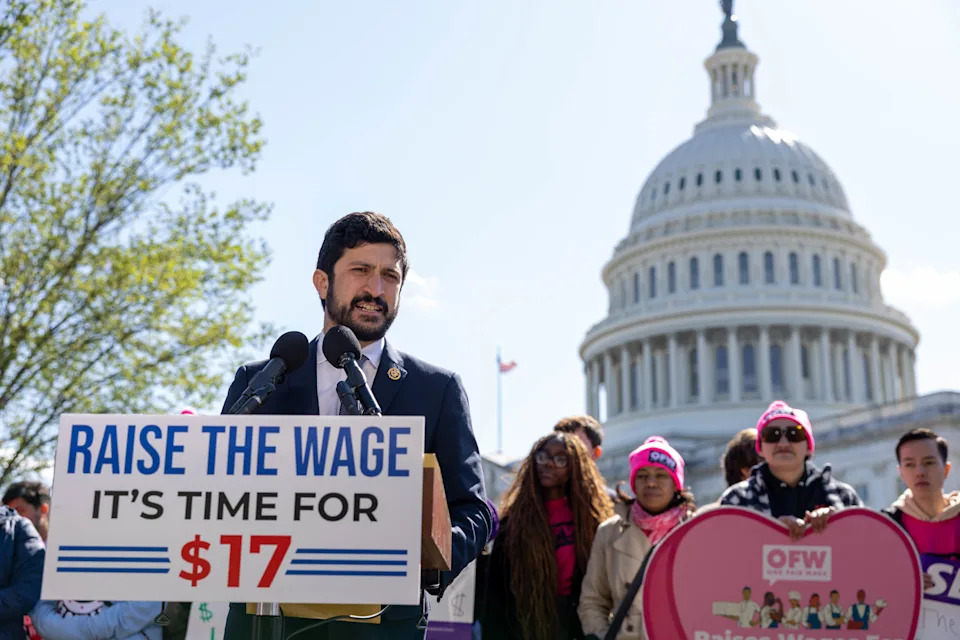
Starting July 1, minimum wage increases have boosted pay for over 880,000 workers in Alaska, Oregon, and Washington, D.C., with D.C.'s rate rising from $17.50 to $17.95 per hour. Additionally, cities like Chicago, Los Angeles, and San Francisco, among others, have implemented wage hikes, impacting nearly 3 million minimum wage earners and over 6.2 million others indirectly through pay structure changes. According to the Economic Policy Institute, nearly 60% of affected workers are women, and almost half are full-time employees. These raises are crucial for combating inflation, which hit a 40-year high of 9.1% in 2022 before dropping to 2.4%, yet experts argue more federal action is needed as the national minimum wage remains at $7.25, unchanged for over 15 years. Variations exist by state and sector, with California’s healthcare workers seeing rates up to $24 per hour, and tipped employees in some regions also benefiting. Overall, 88 jurisdictions across 23 states are set to raise wages by the end of 2025, addressing an ongoing affordability crisis as highlighted by Yannet Lathrop of the National Employment Law Project. Legislative efforts like the Raise the Wage Act aim to push the federal minimum to at least $17 per hour over five years, reflecting a broader push for economic relief.
Key Points
Summary
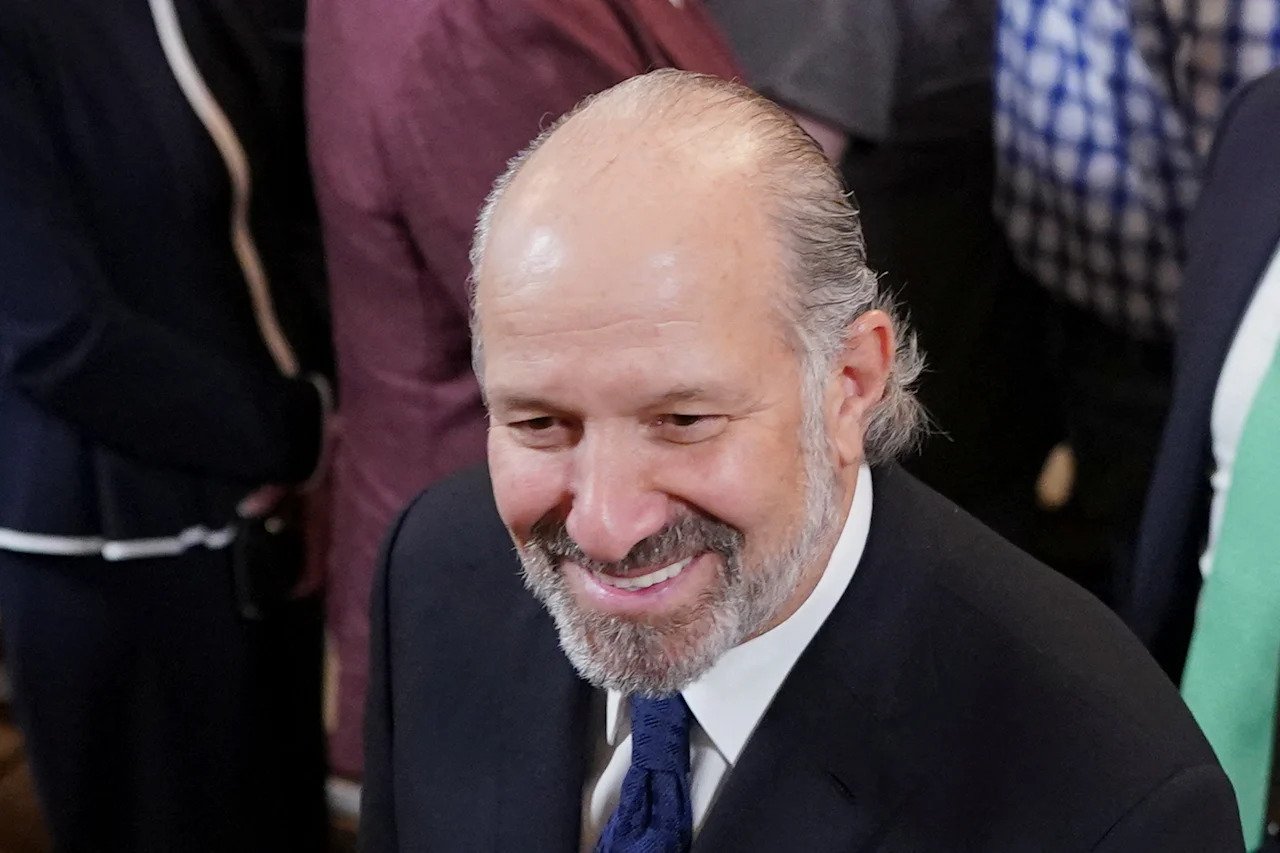
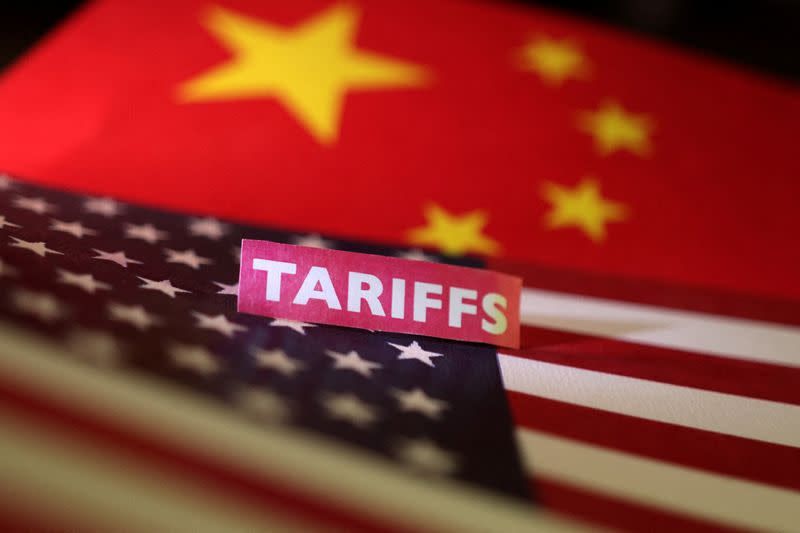
As President Trump's July 9 deadline for imposing higher tariffs on US trade partners approaches, notifications of new rates—ranging from 10% to 70%—will be sent starting Friday, effective August 1. Treasury Secretary Scott Bessent anticipates around 100 partners will face at least a 10% rate, with a flurry of deals expected before the deadline. So far, only a few agreements have been secured, including a recent deal with Vietnam setting a 20% tariff on imports and 40% on transshipped goods. Negotiations with China show signs of easing tensions with lifted export restrictions on chip software and ethane. Meanwhile, talks with Japan have soured, with potential tariffs up to 35%, and the EU is open to a 10% tariff with exemptions. Canada has resumed discussions after scrapping a digital services tax. Trump's tariff strategy aims to bolster Treasury funds amid concerns over national debt, following a $3.4 trillion tax cut and spending package. With the clock ticking, Commerce Secretary Howard Lutnick and others face pressure to finalize more pacts, as the global economy seeks clarity on Washington's trade policies.

Key Points
Summary
This article by Kerry Hannon on Yahoo Finance covers several personal finance and retirement issues. BlackRock is introducing a target-date fund for 401(k)s that includes private equity and credit, promising higher returns but with increased risks, fees, and liquidity concerns. Meanwhile, the Social Security Administration has limited transparency by removing performance data from its website, urging online interactions despite accessibility challenges for many seniors. The piece also highlights a widespread lack of retirement literacy, with many Americans guessing their savings needs and lacking investment knowledge. Additionally, nearly half of Americans are wary of investing due to market volatility, with experts recommending diversified, long-term strategies. Hannon emphasizes the need for better education and risk management as economic uncertainties persist, affecting retirement planning for everyday investors.
Key Points
Summary
A robust June jobs report has shifted expectations for Federal Reserve actions, significantly lowering the likelihood of a rate cut in July to just 5%, down from 24% a day earlier, as per the CME FedWatch Tool. The strong employment data also reduced the probability of a September cut from 94% to 68%, indicating confidence in the economy's resilience. Economists like Nancy Vanden Houten from Oxford Economics suggest the Fed can hold policy steady, observing tariff impacts on inflation, while Jeffrey Roach of LPL Financial notes the Fed's comfortable "wait-and-see" stance amid ongoing trade negotiations. Politically, the report intensifies White House criticism of Fed Chair Jerome Powell, with President Trump demanding his resignation and Treasury Secretary Scott Bessent questioning the Fed's rate decisions. Despite these tensions, the positive labor market news propelled the S&P 500 and Nasdaq to record highs, reflecting market optimism. The upcoming Consumer Price Index data on July 15 will provide further insight into inflation trends, continuing the macro play-by-play. Hamza Shaban of Yahoo Finance highlights how the jobs data and Fed policy expectations interplay with market sentiment and political narratives, shaping economic discourse.

Key Points
Summary
As home prices and mortgage rates soar, only three US cities—St. Louis, Detroit, and Pittsburgh—offer median homes under $300,000, making them affordable for households earning $70,000 to $80,000 annually. In Pittsburgh, the most affordable, a median home at $250,000 costs 27.4% of the average $73,000 income, while St. Louis and Detroit hover near the 30% affordability threshold. The Midwest remains a bastion of lower home prices, over $150,000 below national averages, though rising costs and limited construction threaten this status. Realtors note St. Louis suburbs like Affton offer homes under $250,000, but prices are climbing at a steady single-digit pace. High mortgage rates, averaging 6.8% in May, exacerbate affordability challenges nationwide, with experts suggesting rates must fall below 4% to expand accessible markets. This highlights the compounding impact of elevated home prices and interest rates on housing costs, pushing many out of local markets and prompting consideration of Midwest relocation for budget-conscious buyers.
Key Points
Summary
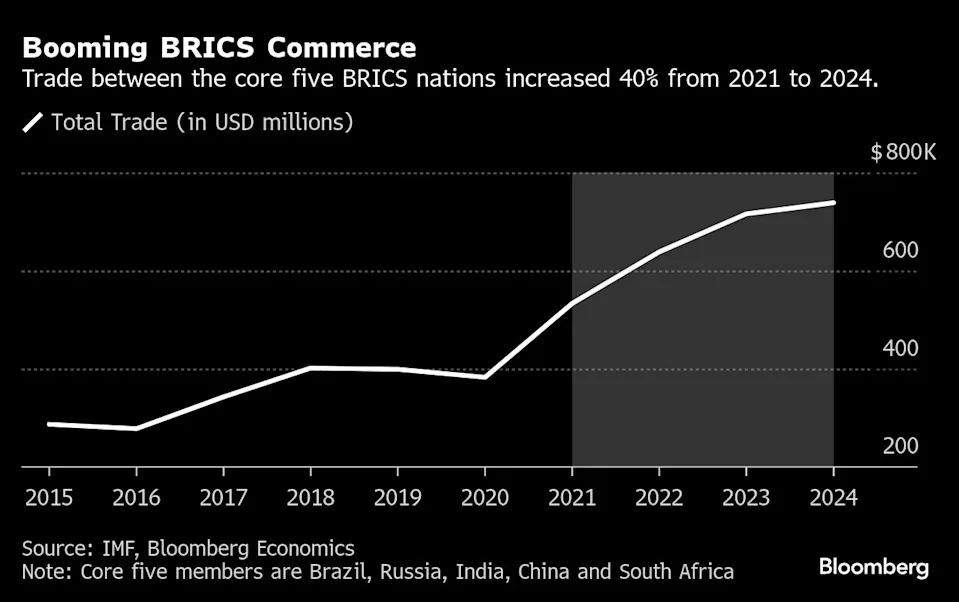
The BRICS summit in Rio de Janeiro, hosted by Brazilian President Luiz Inacio Lula da Silva, highlights the group’s renewed purpose amid US President Donald Trump’s tariff policies. Leaders from Brazil, Russia, India, China, and South Africa, along with newer members like Egypt and Iran, are poised to condemn protectionist measures in a joint statement, signaling opposition to Trump’s trade agenda without directly naming the US. As Trump alienates allies with his "America First" stance, BRICS aims to champion multilateralism and free trade, despite longstanding internal divisions and a lack of shared values. The bloc’s expansion enhances its global economic weight, representing 40% of GDP, but coherence remains elusive. Trump’s threats, including potential 100% levies for abandoning the dollar, have paradoxically encouraged BRICS to explore alternative payment systems and boost intra-bloc trade, which grew 40% to $740 billion between 2021 and 2024. Climate finance also emerges as a key topic, with China positioning itself as a reliable partner. However, absences by leaders like Xi Jinping and Vladimir Putin, alongside geopolitical tensions and rivalries (notably between China and India), underscore the challenges BRICS faces in becoming a unified global force. While Trump’s policies offer a rallying point, the group’s geopolitical influence is expected to grow only gradually, tied to its economic heft and potential further expansion.
Key Points
Summary
The Chinese electric vehicle (EV) market, the world's largest, is undergoing a dramatic transformation driven by industrial policy, but it faces challenges of oversupply and fierce price wars. Market leader BYD reported a 31% sales surge to 2.1 million vehicles in the first half of the year, yet its aggressive price cuts have drawn criticism for triggering industry-wide losses and panic. The government and industry bodies are stepping in to combat "involution"—pointless competition—warning that disorderly price wars threaten sustainable development. Concerns are mounting, with comparisons to the Evergrande collapse, as automakers delay supplier payments, risking financial instability. In response, 17 automakers, including BYD, pledged to pay suppliers within 60 days to alleviate pressure. Meanwhile, Chinese EV makers are expanding overseas, with BYD's foreign sales doubling, though they face tariffs from the U.S. and EU over subsidy concerns. Analysts and industry leaders, including Great Wall Motors' chairman, express pessimism about the market's health, while government intervention aims to stabilize the sector. The effectiveness of these measures in reversing price trends and sustaining EV demand remains to be seen.
Key Points
Summary
Recent amendments to President Trump's "big, beautiful bill" have drawn both praise and criticism. The business community has cheered changes that made corporate tax credits permanent and removed a proposed "revenge tax" on multinational firms, viewing them as catalysts for economic growth. However, these alterations significantly raised the bill's cost by over $1 trillion, with permanent tax credits alone escalating from $519 billion in the House version to over $1 trillion in the Senate's, according to the Committee for a Responsible Federal Budget. The removal of the revenge tax added a $600 billion increase over a decade, while other tweaks, like reduced cuts to social programs, contributed an additional $300 billion. Increased borrowing is projected to incur $713 billion in interest costs. President Trump, with his deep business background, took a keen interest in these provisions, which are touted by Republicans and business leaders as providing certainty and fostering innovation. Treasury Secretary Scott Bessent predicted a surge in factory announcements post-passage. Despite the optimism, Democrats criticize the bill's fiscal irresponsibility, with House Minority Leader Hakeem Jeffries condemning corporate giveaways. Passed by a narrow 218-214 House vote, the legislation heads to Trump's desk, but its high cost ensures it remains a contentious issue for future political debates.
Key Points
Summary
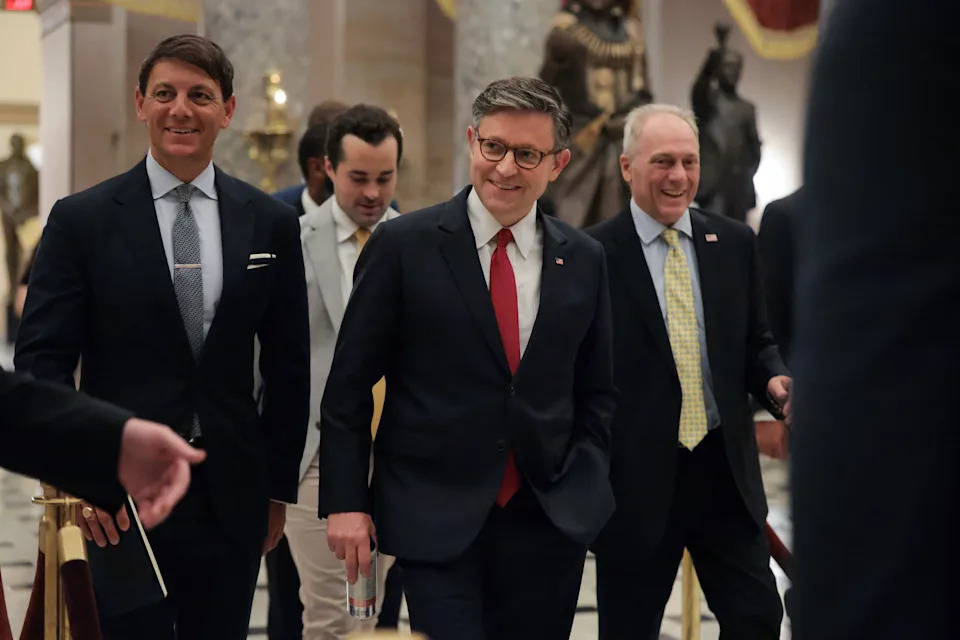
The House of Representatives narrowly passed Donald Trump's "Big, Beautiful Bill" by a 218-214 vote, sending it to the president for signing after intense debate. The legislation, celebrated by House Speaker Mike Johnson as a major Trump victory, promises significant economic changes through tax reforms, energy policy shifts, and healthcare cuts, alongside a $5 trillion debt ceiling increase. However, it faced fierce opposition, notably from Democrats led by Hakeem Jeffries, who criticized it as a "crime scene" during a record-breaking speech. The bill's healthcare provisions, expected to leave millions uninsured, have sparked public discontent and Democratic pledges to weaponize it politically. Energy policies, including the elimination of electric vehicle credits, drew criticism from figures like Elon Musk. Despite internal Republican dissent over the bill's fiscal and moral implications, promises of executive actions from Trump swayed enough holdouts to secure passage without amendments. The multitrillion-dollar package, projected to balloon the national debt past $40 trillion, remains divisive, with polls showing declining support as its impacts on American pocketbooks and coverage become clearer.

Key Points
Summary
The prospect of a Federal Reserve rate cut at the upcoming July 28-29 meeting has virtually disappeared following a robust June jobs report, which added 147,000 nonfarm payrolls—exceeding expectations—and saw the unemployment rate fall to 4.1%. This data has alleviated fears of a slowing US economy, leading experts like RSM's Joe Brusuelas to assert that a July cut is "completely off the table," with market odds dropping to near 5%. Fed Chairman Jerome Powell continues to advocate for patience, highlighting the economy's strength and the need to evaluate the inflationary impact of President Trump's tariffs, which have already prompted a pause in rate reductions. Despite political pressure from Trump, who has criticized Powell and the Fed board for inaction and even called for Powell's resignation, the Fed remains cautious. While some Fed governors support a July cut, Powell has not ruled it out but stresses that decisions will hinge on evolving data. The tension between a strong economy and calls for looser monetary policy underscores a complex policy landscape, with tariffs adding further uncertainty to inflation forecasts.

Key Points
Summary
The US labor market in June showed unexpected strength with a payroll increase of 147,000, driven by a surge in state and local government jobs, especially in education, according to a Bureau of Labor Statistics report. However, private sector hiring slowed significantly to 74,000, the lowest since October, amid concerns over President Trump’s trade policies and tariff hikes. The unemployment rate fell to 4.1%, suggesting employers are hesitant to cut jobs, though labor force participation also dropped. Treasury yields and the S&P 500 rose as the data eased pressure on the Federal Reserve to lower interest rates immediately, with Fed Chair Jerome Powell advocating patience until tariff impacts on inflation are clearer. Meanwhile, the foreign-born labor force shrank for the third straight month, influenced by immigration policies, raising concerns about labor supply. Other indicators, like recurring jobless claims and consumer confidence, point to a cooling market, while wage growth slowed and the workweek shortened. Demographic disparities were evident, with Black unemployment rising to 6.8%, the highest since early 2022. Economists suggest the Fed will maintain a cautious stance on rate cuts, awaiting further inflation data.

Key Points
Summary
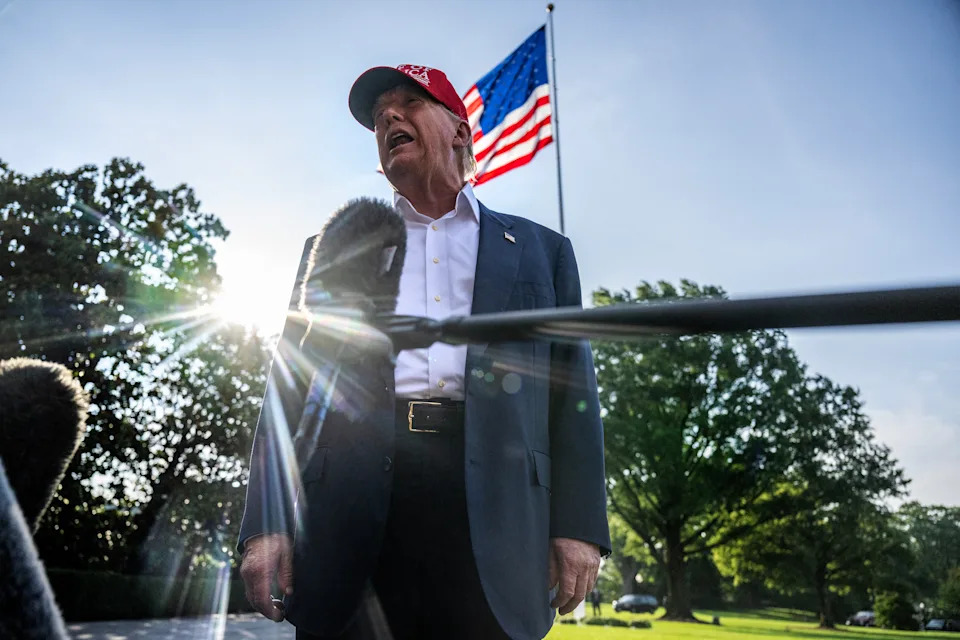
President Trump has escalated his criticism of Federal Reserve Chairman Jerome Powell, demanding his immediate resignation in a Truth Social post and labeling him "Too Late" for not lowering interest rates. This week, Trump and his administration, including Treasury Secretary Scott Bessent and Federal Housing Finance Agency Director Bill Pulte, have intensified pressure on Powell, with calls for congressional investigations into his alleged political bias and misleading Senate testimony regarding Fed headquarters renovations. A short list of potential successors for Powell, whose term as chair ends in May, includes figures like Kevin Warsh and Bessent, with discussions on filling upcoming Fed board seats. Powell, however, maintains that his removal before term's end is illegal and remains committed to economic stability goals, despite concerns over inflation from Trump's tariffs impacting rate decisions. Trump has sent mixed signals about firing Powell, while the Fed chair focuses on his duties, leaving open the possibility of rate cuts depending on economic data. This ongoing conflict highlights tensions between the White House and the Federal Reserve over monetary policy and leadership.
Key Points
Summary
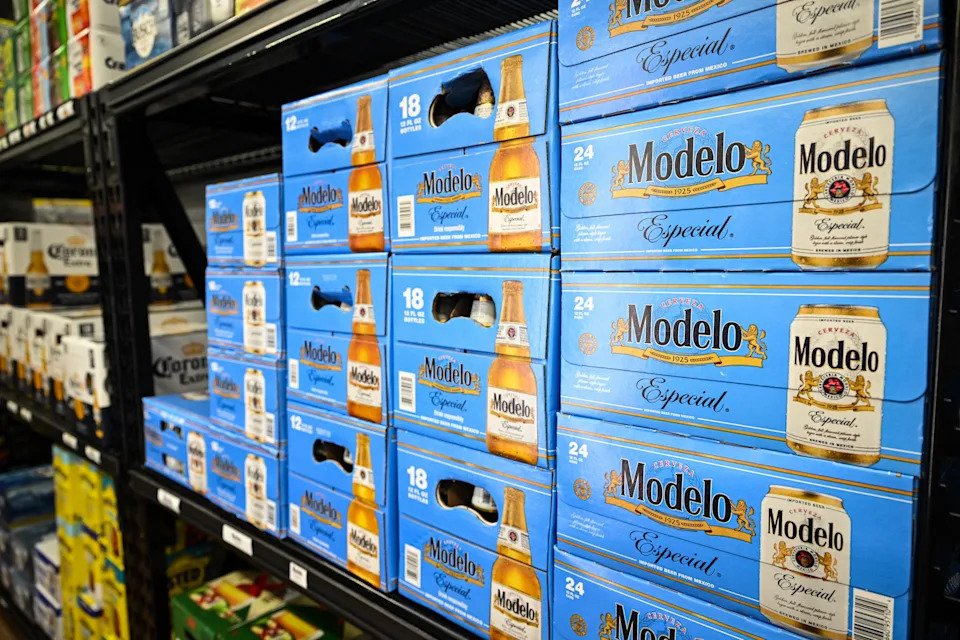
Constellation Brands, the owner of Modelo and Corona, is facing significant challenges due to President Trump's immigration crackdown, which has negatively impacted consumer sentiment among its core Hispanic demographic, representing roughly half of its beer business. CEO Bill Newlands noted a decrease in social occasions and outings among these consumers, contributing to a 3.3% drop in beer shipment volumes in the latest quarter, exceeding Wall Street's expected 2.4% decline. Financially, the company missed Q1 2026 expectations with $2.52 billion in revenue and $3.22 per share against forecasts of $2.55 billion and $3.32. Experts suggest that fears of ICE raids and deportation, alongside economic pressures like slowing construction job growth, are causing Hispanic consumers to alter routines, reducing beer consumption opportunities. Despite Modelo Especial holding the top spot in the US beer market, it faces scale challenges and broader industry trends, including declining alcohol use among younger consumers and potential tariff impacts. Constellation reiterated a modest 0%-3% growth forecast for beer sales but expects a significant 17%-20% decline in wine and spirits. While the stock rose over 4.5% recently, it has fallen more than 20% this year due to these multifaceted risks.

Key Points
Summary
House Republicans faced significant hurdles in advancing Donald Trump’s expansive tax and spending legislation, keeping a critical procedural vote open for hours to meet the president’s July 4 deadline. Despite assurances from House Speaker Mike Johnson and Trump himself, resistance from fiscal conservatives and moderates in swing districts has stalled progress, with several Republicans voting against or withholding support. The bill, a cornerstone of Trump’s agenda, promises historic tax cuts, eliminates Biden-era clean energy incentives, and funds immigration enforcement, but draws criticism for slashing Medicaid and safety-net programs. A failure to pass would be a major blow to Trump, who has publicly vented frustration and threatened political consequences for dissenting lawmakers. Challenges persist as potential concessions to hardliners could alienate moderates and necessitate further Senate votes, risking delays. Johnson and Trump remain determined, with intense lobbying efforts underway to secure the necessary votes, though the outcome remains uncertain as internal party divisions highlight the delicate balance in a closely divided House.

Key Points
Summary
Paramount Global (PARA) settled a lawsuit with President Donald Trump for $16 million over claims of election interference by CBS, stemming from edited versions of a 60 Minutes interview with Kamala Harris in October. Trump alleged the edits misled the public, though CBS defended its editorial choices as standard practice for clarity and brevity. The settlement, which excludes an apology, mandates CBS to release future presidential candidate interview transcripts and is seen as pivotal for Paramount’s merger approval with Skydance Media. No funds go directly to Trump; the remainder after plaintiff fees will support a future presidential library. This follows similar settlements, including Disney’s $15 million agreement with Trump over defamation claims and Meta’s $25 million payout for suspending his social media accounts. Critics suggest these resolutions by media and tech giants aim to preserve White House access and avoid retribution. Meanwhile, Trump-appointed FCC Chair Brendan Carr is probing CBS’s editing practices and other networks for political bias, alongside ongoing lawsuits against various media entities. Paramount’s internal editorial tensions, including the departure of 60 Minutes executive producer Bill Owens citing reduced independence, and Chair Shari Redstone’s scrutiny of story content, further complicate the narrative around media autonomy and corporate strategy amid regulatory and political pressures.

Key Points
Summary
President Trump and Elon Musk are embroiled in a public feud over Trump's "big, beautiful bill," with Trump attacking Musk's reliance on government subsidies for companies like Tesla via Truth Social, while Musk counters that his businesses would survive without them and calls for ending oil and gas subsidies. This conflict coincides with a deepening divide between Trump and Silicon Valley, exacerbated by changes in the bill that favor fossil fuels and tax green energy. Meanwhile, a significant setback occurred when a provision to protect the AI industry from state regulations was removed from the bill after Sen. Marsha Blackburn rejected a compromise, resulting in a near-unanimous Senate vote to strip it. The bill's future is uncertain as key Republican senators remain uncommitted, potentially dooming its passage. Musk has intensified the drama by threatening to unseat Republican supporters of the bill in primaries, leveraging his substantial political donations from 2024. As Senate amendments continue and the House prepares to vote, the clash between Trump and Musk, alongside Silicon Valley's broader discontent, underscores significant political and economic tensions.


