

Key Points
Summary
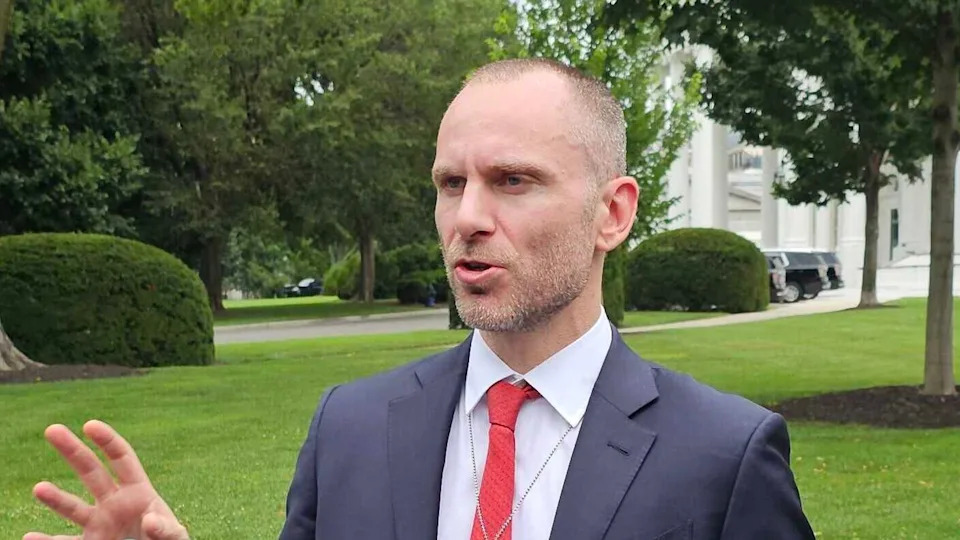
President Donald Trump signed the GENIUS Act into law, marking a historic integration of stablecoins into the U.S. financial system with bipartisan Congressional backing. The signing event at the White House featured key industry leaders like Tether CEO Paulo Ardoino, Circle CEO Jeremy Allaire, and Coinbase CEO Brian Armstrong. Ardoino outlined Tether’s plans to comply with the new law as a foreign issuer, including audits and a new U.S.-focused stablecoin for institutional markets. Allaire emphasized that the legislation aligns with Circle’s transparent practices and noted growing interest from major tech and financial firms. Armstrong called the law a financial revolution, while advocating for further crypto market regulations, backed by Coinbase’s significant political contributions through the Fairshake PAC. The GENIUS Act mandates stablecoins be backed by highly liquid assets like U.S. Treasuries and undergo rigorous audits. Trump and his administration, including crypto adviser David Sacks, expressed strong support for modernizing the financial system with crypto technology, with the president touting the bill as a 21st-century upgrade. The event underscored a shift in the crypto industry’s relationship with U.S. regulators, highlighted by Tether’s past legal challenges and newfound presidential recognition. Industry leaders expressed optimism about future innovations and legislative efforts, with a focus on upcoming market structure reforms.
Key Points
Summary
Dogecoin (DOGE) experienced a significant 8% price surge in 24 hours as of Friday at 6:40 p.m. ET, outperforming Bitcoin and Ethereum, which saw mixed results. This rally was spurred by the U.S. House of Representatives' approval of the Genius Act, marking the first clear legislation to regulate the cryptocurrency industry. The bill's passage is seen as a potential catalyst for growth, as it establishes definitive guidelines that could encourage wider adoption of crypto tokens like Dogecoin, despite the token's 30% year-to-date decline. Additionally, the trend of companies adopting crypto investment strategies is gaining traction, exemplified by Bit Origin's $500 million funding to build a Dogecoin treasury. Such moves could provide valuation support if more firms signal long-term commitment to the meme coin. While Dogecoin faces volatile pricing, the legislative win and corporate interest highlight potential bullish catalysts. However, investors are cautioned to consider broader market insights, as Dogecoin did not make The Motley Fool's list of top 10 stocks to buy, suggesting alternative investment opportunities may offer stronger returns.

Key Points
Summary
Shiba Inu (SHIB) has seen a dramatic 869.74% increase in its burn rate over the past 24 hours, with nearly 5.89 million tokens permanently removed from circulation, as reported by Shibburn. This deflationary measure, which sends tokens to unrecoverable wallets, aims to reduce SHIB’s circulating supply—currently at 584.57 trillion out of a total 589.25 trillion—and potentially boost its value. Over 410 trillion tokens have been burned since SHIB’s launch, cutting its initial 1 quadrillion supply by more than 40%. Alongside this, trading activity has exploded, with SHIB derivatives volume up 25.34% to $586.29 million and open interest rising 13.5% to $287.41 million, per CoinGlass. Bullish sentiment is evident, with a long/short ratio of 2.27 on OKX and more short positions liquidated than long ones. SHIB’s price reflects this momentum, up 2% to $0.00001479. This surge in burn rate and trading activity highlights growing community efforts and market interest, as originally reported by TheStreet on July 18, 2025.
Key Points
Summary
Bitcoin (BTCUSD) has soared past $122,000 as of July 14, doubling its value this year and capturing global attention amid a favorable political and financial climate. Dubbed “Crypto Week,” the U.S. House is debating legislation to make the U.S. a crypto innovation hub, while Bitcoin ETFs recorded $2.7 billion in inflows last week. Coinbase Global (COIN), a leading crypto exchange, hit a 52-week high of $415.96 on July 17, with its stock up 65% over the past year and 135% in three months. Despite high valuations, Coinbase reported $2.03 billion in Q1 2025 revenue, slightly below expectations, but saw growth in transaction and subscription services. Its acquisition of Deribit strengthens its position in the global crypto derivatives market. Analysts remain optimistic, with a “Moderate Buy” consensus and price targets up to $510, though challenges like rising costs and projected EPS declines persist. The crypto industry's alignment with political shifts and monetary policy easing suggests sustained growth potential.

Key Points
Summary
Trade Desk (TTD), a leading digital advertising platform, is set to join the S&P 500 Index on July 18, replacing Ansys (ANSS), a move that signals growing confidence in its $39.5 billion market cap business. This inclusion is expected to drive demand from index funds and institutional investors, with TTD stock already surging 6.6% intraday on July 15 following the announcement, despite a 31% year-to-date decline. The company’s Q1 2025 earnings showcased robust growth, with revenue of $616 million (up 25% YoY) and non-GAAP EPS of $0.33 (up 27% YoY), beating estimates. Innovations like Unified ID 2.0 and the Sincera acquisition bolster its market position, while Q2 revenue is forecasted at $682 million. Analyst sentiment remains positive with a "Moderate Buy" rating, an average price target of $89.30 (10% upside), and a high of $145 (79% upside). Despite competitive pressures, TTD’s cloud-based platform and strong fundamentals position it as a key player in the digital ad space, making its S&P 500 entry a potential catalyst for renewed investor interest.

Key Points
Summary
Coca-Cola is set to revert to using real cane sugar in its U.S. products, abandoning high fructose corn syrup, a change heralded by President Donald Trump, who claims personal involvement in the decision. Since the mid-1980s, Coca-Cola has used corn syrup due to economic pressures from U.S. farm policies that subsidize corn and impose tariffs on imported sugar, making corn syrup a cheaper alternative. This shift, influenced by the powerful farm lobby and agribusiness in states like Iowa, has long been a point of contention. U.S. consumers have often preferred cane sugar, as seen in the cult following for “Mexican Coke” and limited edition throwback sodas. Trump’s announcement, shared via social media, praised the move as beneficial for American consumers, though Coca-Cola has only confirmed upcoming innovations without specifics. The transition raises questions about timing, nationwide implementation, and its impact on existing trade policies like sugar tariffs. This change not only alters a beverage recipe but also intersects with broader political and economic dynamics, challenging entrenched agricultural interests. Further details from Coca-Cola and relevant farm organizations are pending, leaving the full scope of this shift uncertain.
Key Points
Summary
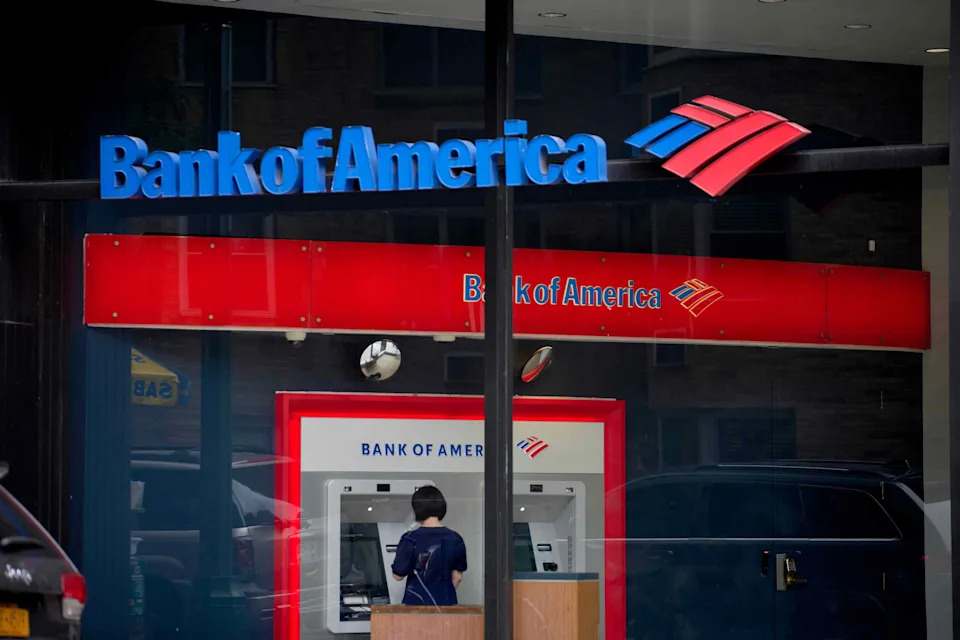
Bank of America CEO Brian Moynihan revealed the bank's exploration of stablecoin initiatives, highlighting the need for "legal clarity" as Congress deliberates the GENIUS Act, a bill that could permit private companies to issue their own stablecoins. This sentiment is echoed by other major banks, including JPMorgan Chase, Citigroup, and Morgan Stanley, whose executives confirmed during recent earnings calls that they are actively planning or discussing stablecoin involvement. Stablecoins, cryptocurrencies tied to assets like the U.S. dollar, are gaining attention in the financial sector. Moynihan noted that clarity could emerge soon if the House passes the GENIUS Act, a development President Trump believes could clear procedural hurdles, boosting crypto-related stocks. This legislative and corporate focus underscores the growing intersection of traditional banking and cryptocurrency innovation.
Key Points
Summary
KULR Technology Group (NYSEMKT: KULR) saw an extraordinary 1,800% stock surge in 2024, driven by meme-stock trading and a shift toward cryptocurrency investments. However, the momentum reversed sharply in 2025, with the stock plummeting 74.9% in the first half despite a 5.5% rise in the S&P 500. Factors contributing to the decline include meme-stock sell-offs, a strategic pivot to Bitcoin mining, and disappointing Q1 results, which showed a 40% sales increase to $2.45 million but a significant $18.8 million net loss. A June 8-for-1 reverse stock split helped maintain NYSE American listing compliance but was viewed bearishly by investors. Despite growing Bitcoin holdings, the stock fell an additional 8% in the second half of 2025. While a rebound is possible if cryptocurrency values rise, KULR remains a high-risk investment due to its volatile performance and uncertain business model.

Key Points
Summary
The stock market is currently experiencing a significant upswing, with the S&P 500, Nasdaq Composite, and Dow Jones Industrial Average posting gains of 17%, 23%, and 10% over the past three months. Amid this optimism, two tech stocks stand out as promising investments for July: Roblox (RBLX) and Nvidia (NVDA). Roblox, a free-to-play online gaming platform, boasts a rapidly growing user base, nearing 98 million daily active users, with a majority now over 13, enhancing revenue through in-game purchases. The company is also diversifying income streams via merchandise and advertising. However, its stock carries risks tied to user growth and revenue fluctuations. Nvidia, now the world's largest company with a $4 trillion market cap, dominates the AI sector through its GPU design, fueling demand from tech giants like Alphabet and Tesla. Its revenue has surged to $149 billion, with projections reaching $250 billion by fiscal 2027, though economic or unforeseen challenges could impact growth. Both stocks offer long-term potential for growth investors, despite inherent risks, making them noteworthy considerations in the current bullish market environment.

Key Points
Summary
Standard Chartered has launched spot trading for bitcoin and ether through its UK branch, specifically targeting institutional clients like corporates, investors, and asset managers. Announced on Tuesday, the bank positions itself as the first global systemically important bank to offer secure, regulated, and scalable access to these cryptocurrencies. Clients can now trade digital assets using familiar foreign exchange (FX) interfaces, with plans to introduce non-deliverable forwards trading in the near future. This move comes in response to rising demand for crypto assets among institutional investors. Chief Executive Bill Winters highlighted the bank’s focus on providing a safe and efficient platform for clients to transact and manage digital asset risks while adhering to regulatory requirements. This initiative marks a significant step for Standard Chartered in integrating cryptocurrency trading into its services, catering to the evolving needs of the financial market.
Key Points
Summary
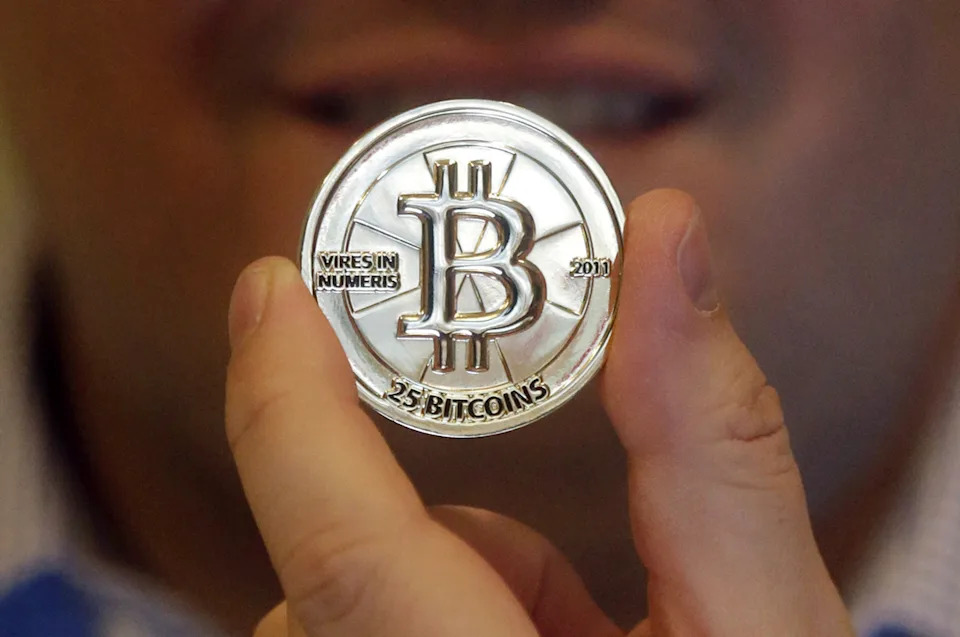
Bitcoin soared to a record high above $123,000, boasting a $2.4 trillion market cap that eclipses Amazon, as reported by CoinMarketCap. This surge coincides with a pivotal “crypto week” in Congress, where U.S. lawmakers are set to debate pro-crypto legislation, including stablecoin regulation and comprehensive market structure reforms, under pressure from President Trump and the influential crypto lobby. Trump, once a critic, now champions the U.S. as the global crypto hub, with his family entrenched in mining, stablecoins, and meme coins. The crypto industry, feeling sidelined by the Biden administration, has flexed its muscle through massive election spending and lobbying. Since dipping below $75,000 in April, Bitcoin has rebounded sharply, fueled by rising institutional demand via spot ETFs and corporate strategies to acquire the asset. Created post-2008 as “digital gold,” Bitcoin’s fixed supply of 21 million coins and volatile journey to acceptance underscore its appeal as a hedge against financial malfeasance, according to enthusiasts like Blockstream CEO Adam Back, who sees the price reflecting long-building fundamentals.
Key Points
Summary
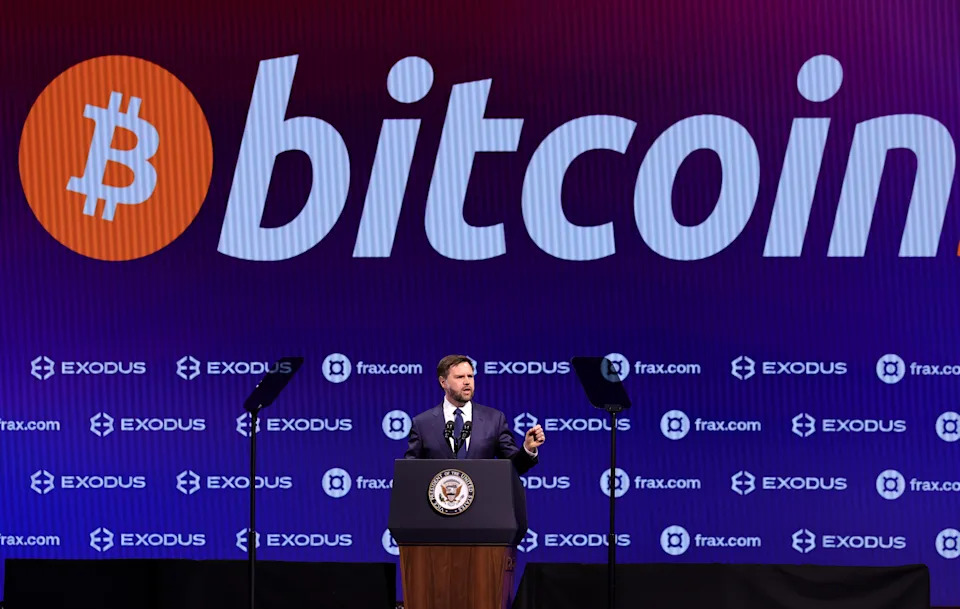
Bitcoin (BTC-USD) soared to a record high above $121,000 as Congress launched "Crypto Week" in Washington, D.C., to discuss pivotal crypto legislation. This surge boosted related stocks, with Coinbase (COIN) and Robinhood (HOOD) hitting record highs, and Circle (CRCL) gaining over 500% since its June IPO. Three key bills are under consideration: the GENIUS Act, establishing a federal stablecoin framework with strict issuance and reserve rules, set for a House vote; the CLARITY Act, assigning digital asset oversight to the SEC or CFTC, though it faces political hurdles over Trump family crypto ties; and the Anti-CBDC Surveillance State Act, blocking the Federal Reserve from creating a central bank digital currency. While the GENIUS Act passed the Senate earlier, the other bills may struggle for bipartisan support, especially in the Senate, where a 60-vote threshold looms. If passed in the House, these bills will move to the Senate before potentially reaching President Trump’s desk. This legislative push reflects growing mainstream attention to cryptocurrencies amid market enthusiasm and political debate.

Key Points
Summary
Dogecoin (DOGE) has seen a remarkable 17.6% price surge over the past week, outpacing gains in Bitcoin (BTC) at 9.1% and Ethereum (ETH) at 17.1%, amid a bullish cryptocurrency market. This rally is driven by investor optimism over potential Federal Reserve interest rate cuts and positive political developments, including support from the Trump administration and Republican-led Congress. Bitcoin recently surpassed $118,000, further fueling momentum for Dogecoin and other tokens. Meanwhile, the U.S. House of Representatives is initiating "Crypto Week," starting Monday, to debate three new bills aimed at establishing regulatory frameworks for cryptocurrencies. These legislative efforts are viewed as potential catalysts for further gains, though details remain unresolved. Despite the uptick, Dogecoin's price is still down 37% year to date, underscoring its volatility. Investors are cautioned about the high-risk nature of such speculative assets, with the article noting alternative investment recommendations from The Motley Fool's Stock Advisor, which excludes Dogecoin from its top picks.

Key Points
Summary
Cathie Wood, CEO of ARK Invest, has made a bold prediction that Bitcoin could soar to $3.8 million by 2030, representing a staggering 3,260% return from current levels. Her optimism hinges on increased institutional adoption, estimating that a mere 5% portfolio allocation by institutional investors could drive this growth. Additionally, corporate adoption of Bitcoin as a reserve asset is on the rise, with companies like Strategy (formerly MicroStrategy), GameStop, and Trump Media embracing the trend. Strategy, in particular, holds 592,100 bitcoins valued at nearly $70 billion, funded through aggressive debt and stock sales despite ongoing losses. However, the author urges caution, noting that while Bitcoin has upside potential, Wood’s projected growth rate may be overly ambitious. Most large institutions are likely to remain conservative, and aggressive corporate allocations may stay niche. While Bitcoin can be a solid addition to diversified portfolios for many investors, those nearing retirement might consider avoiding crypto due to its volatility. The article emphasizes balancing the hype with realistic expectations about Bitcoin’s future growth.

Key Points
Summary
Metaplanet, a Tokyo-listed hotelier and the largest corporate bitcoin (BTC) holder outside North America, has recently bolstered its cryptocurrency portfolio by acquiring an additional 797 BTC, valued at around $96 million. This purchase brings its total bitcoin holdings to 16,352 BTC. Under the leadership of CEO Simon Gerovich, the company aims to use these holdings as collateral to finance strategic acquisitions, particularly targeting cash-generating businesses in the digital financial services sector. This approach closely mirrors the strategy of Michael Saylor’s MicroStrategy (MSTR), which involves accumulating bitcoin through equity and debt issuance to secure financing for expansion. To support its bitcoin acquisition and strengthen its treasury infrastructure, Metaplanet has leveraged zero-interest bonds, stock acquisition rights, and access to U.S. capital markets, including a planned $5 billion injection into its Florida subsidiary. This bold financial maneuver reflects Metaplanet’s ambition to integrate cryptocurrency into its broader corporate growth strategy, positioning bitcoin as a central asset in its future endeavors.

Key Points
Summary
Coca-Cola (NYSE: KO) is a powerhouse in the consumer staples sector, boasting a 6% organic sales increase in Q1 2025 despite economic challenges like inflation. Its success is underpinned by iconic brands, global distribution, and a 63-year streak as a Dividend King. However, its high valuation—with price-to-sales, price-to-earnings, and price-to-book ratios above historical averages—suggests investors are paying a premium, limiting upside potential. In contrast, PepsiCo (NASDAQ: PEP), with a disappointing 1.2% organic sales growth and a negative near-term outlook, presents a contrarian opportunity. Its stock, down 30% since mid-2023, offers a 4.3% dividend yield and lower valuation metrics. Despite current struggles, PepsiCo's 53-year dividend increase record and diversified portfolio in beverages, snacks, and foods highlight its long-term potential. The article argues that while Coca-Cola is a great company, PepsiCo may be the better investment now, as buying during downturns often yields greater returns when market sentiment shifts. Investors are encouraged to consider PepsiCo for its value and resilience over time, rather than following the crowd with Coca-Cola at its current high price.


