


Key Points
Summary
Apple (AAPL) is set to reveal a $100 billion investment in US manufacturing during a White House press conference with President Trump, building on its prior $500 billion commitment that includes an AI server plant in Texas. This move comes amid pressure from the Trump administration to produce iPhones domestically, with threats of a 25% tariff on the devices if Apple doesn't comply. The announcement also aligns with new 25% tariffs on goods from India, where Apple manufactures most US-bound iPhones after diversifying from China post-COVID-19. Trump has criticized Apple’s overseas production, despite industry experts warning that relocating to the US is a daunting task due to insufficient skilled labor and supply chain limitations, with plant construction potentially taking years. Apple’s recent earnings revealed an $800 million hit from existing tariffs, with an expected $1.1 billion more in costs this quarter. This strategic investment may be an attempt to mitigate tariff impacts and political pressure, though significant challenges remain in fully shifting production to the US.

Key Points
Summary
In the ongoing US-China trade conflict, Beijing is leveraging the issue of high-end chip tracking to assert its position globally against the Trump administration’s surveillance plans. Chinese regulators recently summoned Nvidia staff over alleged security risks with its H20 chips, a move seen as a warning against future US tracking mandates rather than a direct critique of the chips themselves. Analysts suggest this action aims to caution domestic firms, alert the world, and pressure Nvidia to influence US policy. Nvidia has publicly rejected backdoors or tracking in its technology, citing security and trust concerns. Meanwhile, US officials are exploring chip-tracking methods, though a final deal with China on trade issues, including rare-earth magnets, remains pending. Despite tensions, both sides maintain a tariff truce, with Trump expressing optimism about a potential agreement. China’s resistance to surveillance in American chips may resonate globally, while domestic media and policies push for self-reliance in AI chip production, boosting local semiconductor firms. The situation underscores the delicate balance between technological competition and broader US-China relations, with potential implications for global tech supply chains and security standards.
Key Points
Summary
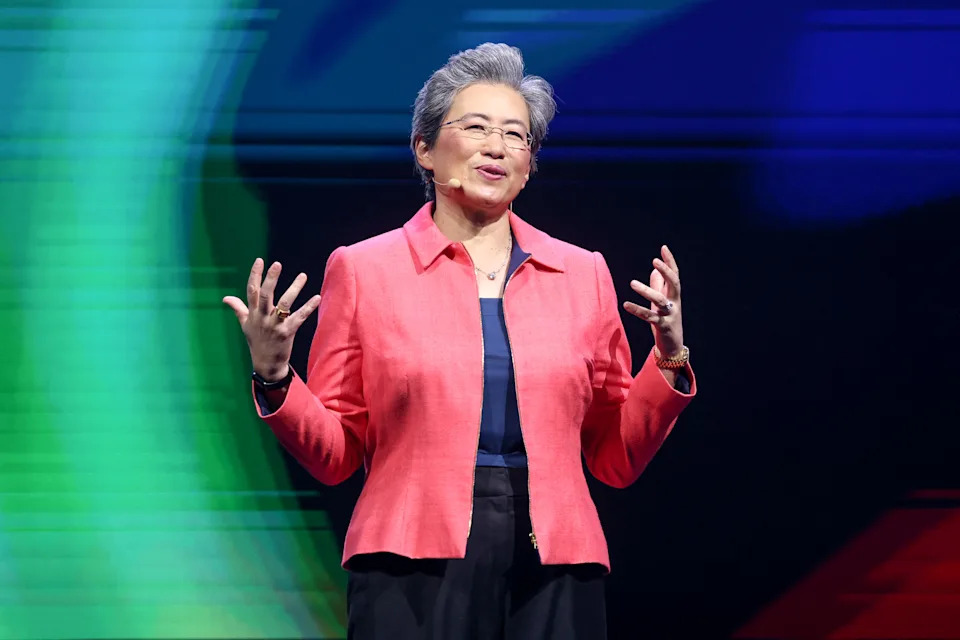
Advanced Micro Devices (AMD) released its Q2 earnings, reporting an adjusted EPS of $0.48, slightly below Wall Street's $0.49 expectation, but exceeding revenue forecasts with $7.6 billion compared to the anticipated $7.4 billion. AMD also issued a robust Q3 guidance of $8.4 billion to $9 billion, surpassing analysts' $8.3 billion estimate. However, the stock dropped over 4% post-earnings, despite a 44% year-to-date gain. The company faced challenges from a U.S. ban on AI chip sales to China, incurring an $800 million impact and a $155 million operating loss. On a positive note, AMD's Data Center segment met expectations at $3.2 billion, and its Client business outperformed with $3.6 billion in revenue against a $2.5 billion forecast. The upcoming launch of the MI350 AI chip line, designed to compete with Nvidia's offerings, and the reversal of the China sales ban by the Trump administration, are expected to bolster future performance. AMD's results come ahead of Nvidia's earnings report, with both companies navigating a competitive AI chip market and geopolitical challenges.

Key Points
Summary
President Trump has unveiled a series of aggressive tariff policies targeting various sectors and countries, as reported by Yahoo Finance. He plans to introduce escalating tariffs on pharmaceutical imports, starting small but reaching up to 250% within a year and a half, to boost domestic production, alongside upcoming semiconductor tariffs. Trump also threatened the EU with 35% tariffs if a $600 billion investment pledge isn’t met, though a 15% flat rate on EU goods was agreed upon. Additionally, a 50% tariff on $15 billion worth of copper imports has rattled global markets, with further expansions planned. Country-specific duties include 35% on Canada, 50% on Brazil (with exemptions), and 25% on India, with potential increases due to its Russian oil purchases. Trade deals with Mexico and South Korea offer temporary reprieves or balanced terms. India has criticized the US stance as a double standard, vowing to protect its interests. These moves, alongside ending exemptions on low-value imports, signal a broad protectionist push, raising concerns about inflation and global trade turbulence as Trump’s self-imposed deadlines approach.
Key Points
Summary
SoftBank Group Corp., under Masayoshi Son, is aggressively pivoting toward AI infrastructure, significantly increasing its stakes in Nvidia Corp. ($3 billion) and Taiwan Semiconductor Manufacturing Co. ($330 million) as of March 2025. This reflects Son’s strategy to capitalize on AI’s growth, centered around Arm Holdings Plc, while building partnerships like the $500 billion Stargate data center with OpenAI and a potential $1 trillion AI hub in Arizona. Despite monetizing $2 billion in Vision Fund assets, SoftBank faces no urgent need to sell further. The company’s stock, trading at a 40% discount to its $175 billion net asset value, has hit record highs, buoyed by Nvidia’s 90% and TSMC’s 40% market gains. However, Son remains unsatisfied, aiming to leapfrog AI leaders through ambitious US projects and leveraging political ties, even as deals like the $6.5 billion Ampere acquisition face scrutiny. SoftBank’s market cap of $118 billion pales against Nvidia’s $4.4 trillion, underscoring the gap Son seeks to close in the AI race.
Key Points
Summary
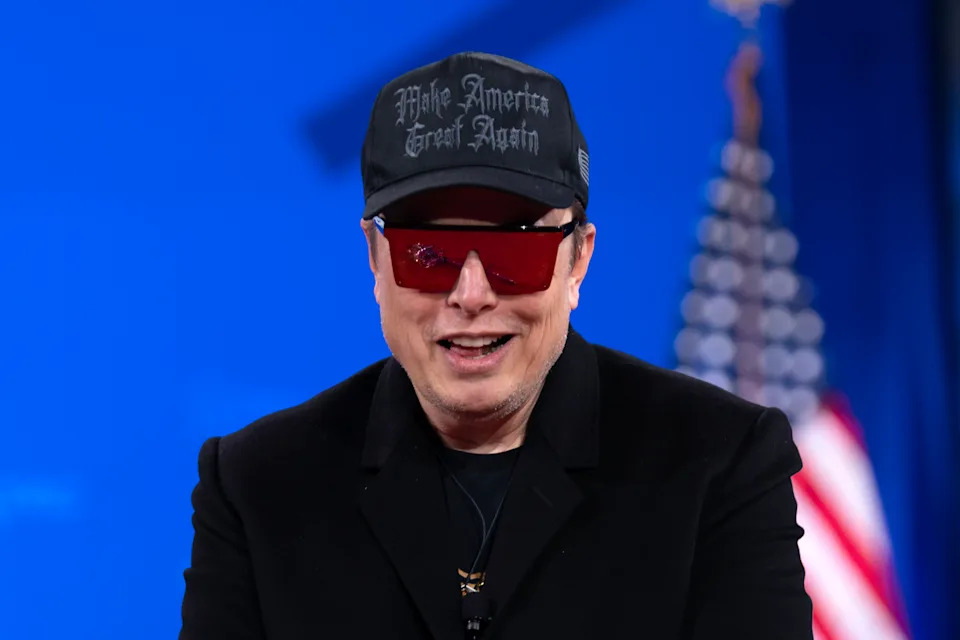
Tesla's board has approved a $30 billion alternative compensation plan for CEO Elon Musk amid a legal battle to reinstate his original $58 billion pay package, which was invalidated by a Delaware judge. Announced in an SEC filing, the new plan aims to incentivize Musk's focus on Tesla and requires shareholder approval. It grants Musk 96 million shares at $23.34 each, contingent on his service until 2027, with a five-year holding period. If the original 2018 plan is upheld by the Delaware Supreme Court, these shares must be returned. Meanwhile, Tesla's stock struggled after a Q2 earnings miss, reporting $22.50 billion in revenue against an expected $22.64 billion, down 12% from last year. The legal dispute, sparked by a shareholder lawsuit in 2018, questions Musk's influence as a de facto controlling shareholder and whether stockholder approval can override judicial rulings. Judge Kathaleen McCormick voided the original package due to Musk's ties with the board and lack of disclosure, a decision reaffirmed despite a second shareholder approval in 2024. The case could reshape corporate law, while Tesla emphasizes the need to retain Musk amid the AI talent war, with analysts suggesting the new plan secures his leadership until at least 2030, easing shareholder concerns.
Key Points
Summary
US stocks fell from record highs on Friday after a weaker-than-expected July jobs report revealed fewer jobs added, a rising unemployment rate, and significant downward revisions to prior months’ data. This sparked a market sell-off, with the S&P 500 dropping nearly 2.4% for the week, Nasdaq declining 2.2%, and Dow Jones falling 1.2%. The disappointing labor market data shifted expectations, raising the probability of a Federal Reserve interest rate cut in September to 83% from 38%. Amidst economic concerns, a busy earnings week looms with 122 S&P 500 companies, including Palantir, Eli Lilly, and Disney, set to report, while market volatility post-earnings remains high. Despite the downturn, AI investment continues to drive optimism for US stocks, particularly in tech-heavy segments, as Big Tech earnings reflect sustained spending. Earnings season shows the S&P 500 on track for 10.3% growth, though individual stock reactions are sharper than usual, with investors reacting strongly to any misses or beats. A quieter week of economic news awaits, but the focus remains on corporate performance and potential Fed actions in response to labor market deterioration.

Key Points
Summary
Lamborghini's latest supercar, the Temerario, succeeds the beloved Huracán with a groundbreaking 900hp plug-in hybrid system featuring a 10,000 RPM turbo V8 and advanced torque vectoring via individual front-wheel motors. Unveiled at Monterey Car Week, this all-wheel-drive beast prioritizes performance over eco-friendliness, aligning with emissions regulations while delivering exceptional track capabilities, reaching speeds near 200mph. Though it surpasses the Huracán in handling and interior refinement, the Temerario lacks the emotional resonance of the Huracán’s V10 engine sound and sports more restrained styling, which some find underwhelming for its $382,654 price tag. Despite these critiques, the car is sold out for its first production year, reflecting strong demand. CEO Stephan Winkelmann emphasizes its balance of excitement and livability, while future special editions may introduce bolder designs and enhanced powertrains. The Temerario represents Lamborghini’s adaptation to modern automotive demands, blending hybrid technology with supercar thrills, though it leaves room for nostalgia among fans of the Huracán’s raw character.
Key Points
Summary
President Donald Trump has implemented a sweeping array of tariffs on numerous countries, with U.S. Trade Representative Jamieson Greer confirming these rates are largely fixed due to existing deals and trade balances. Key tariffs include a 35% rate on Canada, 50% on Brazil, and a standardized 15% for many partners like the EU and South Korea, effective from various dates in August. Trump's strategy now categorizes countries into tiers, simplifying future negotiations, with over 40 nations at 15%, over 100 at 10%, and about 30 facing higher rates. Additionally, specific actions include a 90-day tariff reprieve for Mexico and ending exemptions for low-value imports. The tariffs have already impacted businesses, as seen with Warren Buffett's Berkshire Hathaway, which reported a 5.1% revenue drop in its consumer goods sector due to shipment delays, despite Buffett's support for free trade. Meanwhile, trade deals with South Korea and ongoing negotiations with China signal potential progress, though industries like footwear face pressure from the new policies. These moves reflect Trump's aggressive trade stance, influencing global markets and economic dynamics.
Key Points
Summary
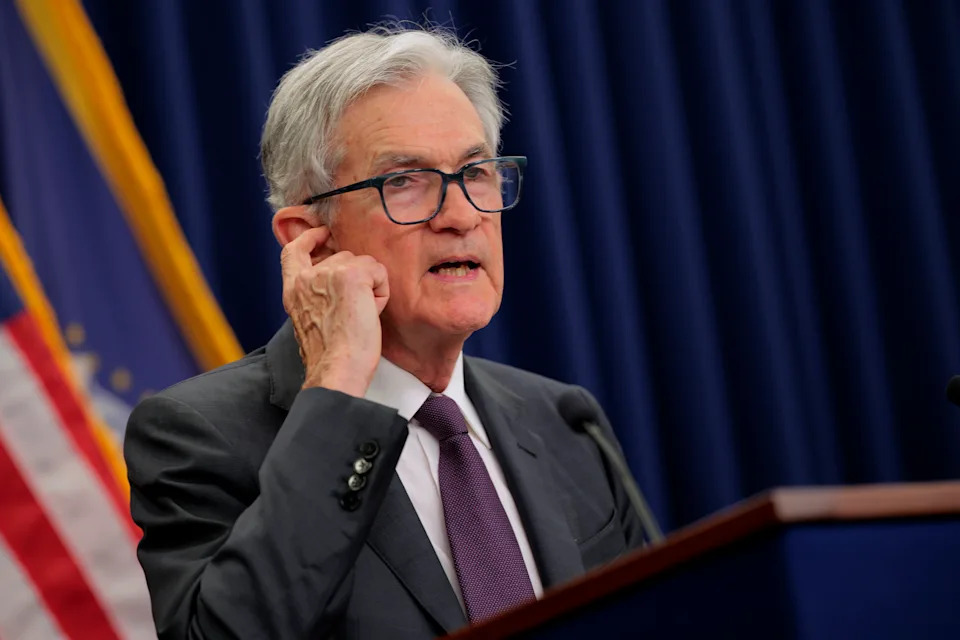
President Donald Trump's economic policies, including tariff hikes, tax reforms, and spending cuts, are reshaping the U.S. economy more than six months into his term, but recent data paints a troubling picture. Job growth has plummeted, with only 73,000 jobs added in July, while manufacturing has lost 37,000 jobs since April. Inflation has risen to 2.6% annually, and GDP growth has slowed to 1.3% from 2.8% last year. Despite Trump's claims of a booming economy, public approval of his economic handling stands at just 38%, down from 50% at the end of his first term. His aggressive tariffs, set to fully impact prices by 2026, pose political risks for Republicans in upcoming elections. Trump has deflected blame, firing the head of the jobs report agency and criticizing Federal Reserve Chair Jerome Powell for not cutting rates, a move some warn could fuel inflation. While the White House remains optimistic, touting deregulation and trade deals as future growth drivers, critics and economic reports suggest a sluggish economy with potential for further disruption. Former President Joe Biden had warned of the consumer burden of universal tariffs, a concern now echoing as prices for imported goods rise. Whether these challenges are temporary growing pains or signs of deeper issues remains uncertain, but Trump's economic gamble carries high stakes for both policy and politics.
Key Points
Summary
Millions of student loan borrowers in the U.S. face the looming threat of wage garnishment as early as this summer, with TransUnion estimating that 3 million could default by August and another 2 million by September. Default, defined as being 270 days past due, puts borrowers at risk of having 15% of their wages withheld by the government to cover outstanding debt. The end of the pandemic-era payment pause in May and a Biden-administration grace period last fall has left many struggling to manage payments, resulting in credit score declines. Experts urge borrowers to check their loan status on studentaid.gov, pursue rehabilitation or consolidation options, and contact servicers or congressional offices for help despite long wait times and dropped calls. Borrowers like Richelle Brooks, with $239,000 in debt, express fear and financial strain, exploring deferment through further education. The Department of Education offers a 30-day window to request a hearing to contest garnishment on grounds of hardship or other qualifying issues, providing a critical opportunity to mitigate the impact.

Key Points
Summary
Cruise line stocks have experienced a remarkable surge in recent months, with Carnival (CCL) and Royal Caribbean (RCL) rebounding over 70% and Norwegian Cruise Line (NCLH) rising 55% since April's market turmoil, despite a recent sell-off. This recovery aligns with record revenues, including Carnival’s $6.3 billion in Q2, and strong bookings driven by an improved macroeconomic environment and clearer trade policies under President Trump. Norwegian and Royal Caribbean also reported robust earnings, fueled by close-in demand allowing higher pricing. The industry’s growth is supported by investments in modern ships, thematic voyages, and unique destinations, making cruises a cost-effective vacation choice. Passenger numbers are expected to increase from 29.7 million in 2019 to 37.7 million by 2025, with millennials and younger travelers now comprising half of Royal Caribbean’s customer base. Analysts highlight cruises as a value proposition, with the industry’s share of the $1.9 trillion global vacation market projected to grow from 2% to 3.8% by 2028, signaling a promising future.
Key Points
Summary
Warren Buffett's Berkshire Hathaway reported a 5.1% revenue decline in its consumer goods sector for Q2, blaming US tariffs under President Trump's trade policies for order and shipment delays, as per Reuters. Despite Buffett's advocacy for free trade, Trump's aggressive tariff strategy includes a 35% rate on Canada, 50% on Brazilian goods (with exemptions), and a 50% levy on copper products, causing copper futures to drop. Additional measures involve ending the de minimis exemption for low-value imports and a potential 40% penalty for tariff dodging via transshipment, though implementation details are pending. Trade agreements with Mexico, South Korea, and the EU offer some relief, while negotiations with China show promise. Global stocks declined amid these tariffs and weak US labor data, with footwear companies like Nike facing significant cost increases. Trump's policies continue to reshape the trade landscape, impacting economies worldwide.
Key Points
Summary
Anita Robinson, a former senior partner at a tech firm, took early retirement at 57 to care for her 83-year-old mother, who suffers from blindness, dementia, and multiple cancers. Her story reflects a growing caregiving crisis in America, where 63 million adults—nearly 1 in 4—now provide care, a sharp rise from previous years, according to AARP and the National Alliance for Caregiving. This role often brings severe financial strain, with nearly half of caregivers accruing debt, depleting savings, or delaying bills. Over 60% juggle employment, frequently reducing hours or quitting, as Robinson did when her company offered no remote work flexibility post-FMLA leave. Women, who make up 61% of caregivers, face heightened retirement insecurity due to reduced savings. The workplace poses further challenges, with caregiving hindering career advancement and many hesitant to disclose their status due to stigma. Robinson, living off savings and a small pension, plans to return to work to avoid depleting her nest egg, staying active through pro bono projects. Experts highlight the emotional, financial, and structural toll of caregiving, urging better support systems like respite care and paid leave to address this pervasive issue impacting families and the workforce.
Key Points
Summary
American consumers are prioritizing lower prices across various sectors, from appliances to everyday essentials, as highlighted by recent comments from major companies like Whirlpool, Procter & Gamble (P&G), PepsiCo, and Coca-Cola. Whirlpool, facing a 5% drop in North American appliance sales and missing earnings targets, saw its stock plummet over 13%, with CEO Marc Bitzer citing macroeconomic uncertainty and suppressed demand. P&G's CEO Jon Moeller noted a cautious consumer base trading down to less premium products, while announcing a restructuring plan involving 7,000 job cuts by 2027 to fund innovation. Consumer confidence remains low, pressured by inflation fears, high interest rates, and potential tariffs, according to the Conference Board. In the food and beverage sector, Coca-Cola and PepsiCo are adapting by offering more affordable options and focusing on value to retain customers. This widespread shift in consumer behavior reflects broader economic concerns impacting purchasing decisions across industries.

Key Points
Summary
Carvana Co. has experienced a remarkable recovery, with its stock soaring over 10,000% from a late 2022 low to an all-time high, inflicting $7.42 billion in losses on short sellers. The online used-car dealer's recent surge follows blockbuster second-quarter results, including record revenue, signaling a potential turnaround. Carvana's innovative online platform, which allows customers to buy cars remotely, sets it apart from traditional brick-and-mortar competitors like CarMax and AutoNation, contributing to its high valuation. Market conditions, such as increased demand for used cars due to tariffs, have further boosted its performance. Despite a 5.7% drop on Friday, the stock ended the week up over 10%, with analysts optimistic about future growth. This rally, reminiscent of retail-trading frenzies like GameStop, highlights the risks of shorting volatile stocks and marks Carvana as one of the most dramatic recoveries in recent market history.


